Product Description
Customized Plastic Products Outdoor Garden Furniture Plastic Injection Tool Plastic Injection Molding Plastic Mold Design Mold Development Mold Processing Mold Injection
Plastic Injection Molds Parts Service
HangZhou CHINAMFG offers more injection molds parts design and manufacturing service, we have more 10+ experience in injection molds field. All of projects we will put them from DFM to PFM working flow to ensure products quality, from molds design, mold flow analysis, per-mold machining review a series of testing reports to make sure mold production running smoothly. We are proud of our mold producing flowing, product quality guarantee, delivery on time and we have professional engineer team to support your projects, make it so easy, make you so comfortable.
Plastic Mold Design Xihu (West Lake) Dis.lines
Size
The maximum part outline that can be molded is approximately 18.9 in. (480mm) by 29.6 in. (751mm) or roughly equivalent to 175 sq. in. (1,129 sq. cm.). A maximum part volume of approximately 59 cu. in. Depth up to 4 in. (101mm) from the parting line with 3 degrees of draft, or up to 8 in. (202mm) total if the parting line can pass through the middle of the part, inside and outside. Deeper parts are limited to a smaller outline.
Draft
A taper applied to the faces of the part that prevent them from being parallel to the motion of the mold opening is called draft. This keeps the part from being damaged due to scraping as the part is ejected out of the mold. Recommended draft:
0.5 degrees on all vertical faces is strongly advised.
2 degrees works very well in most situations.
3 degrees is minimum for a shutoff (metal sliding on metal).
3 degrees is required for light texture (PM-T1).
5 or more degrees is required for heavy texture (PM-T2).
Tolerances
Typically, Proto Labs can maintain a machining tolerance of ±.003 in. (0.08mm) with an included resin tolerance that can be greater than but no less than ±.002 in./in. (0.002mm/mm).
Wall thickness
With injection-molded parts, observing proper (and uniform) wall thickness helps parts avoid potential issues such as sink marks and warpage. Recommended thicknesses vary by material:
| Resin | Inches |
| ABS | 0.045 – 0.140 |
| Acetal | 0.030 – 0.120 |
| Acrylic | 0.571 – 0.500 |
| Liquid crystal polymer | 0.030 – 0.120 |
| Long-fiber reinforced plastics | 0.075 – 1.000 |
| Nylon | 0.030 – 0.115 |
| Polycarbonate | 0.040 – 0.150 |
| Polyester | 0.571 – 0.125 |
| Polyethylene | 0.030 – 0.200 |
| Polyphenylene sulfide | 0.571 – 0.180 |
| Polypropylene | 0.571 – 0.150 |
| Polystyrene | 0.035 – 0.150 |
| Polyurethane | 0.080 – 0.750 |
Surface finish
A number of standard finishes are available for injection-molded parts at Proto Labs. Our current finishes include non-cosmetic, low-cosmetic and EDM finishes; bead-blast texturing; and high-end mold polishing.
Standard finishes (from least to most costly):
| PM-F0: | Non-cosmetic: finish to Protomold discretion |
| PM-F1: | Low-cosmetic: most toolmarks removed |
| PM-F2: | Non-cosmetic: Protomold discretion, EDM finish and/or toolmarks permissible |
| SPI-C1: | 600 CHINAMFG stone, 10-12 Ra |
| PM-T1: | Protomold texture, SPI-C1 followed by light bead blast |
| PM-T2: | Protomold texture, SPI-C1 followed by medium bead blast |
| SPI-B1: | 600 CHINAMFG paper, 2-3 Ra |
| SPI-A2: | Grade #2 CHINAMFG Buff, 1-2 Ra |
*”PM” in the table signifies a surface finish adjusted to fit the quick-turn injection molding process, where SPI (The Society of the Plastics Industry) denotes an industry-standard finish.
Radii
Because Proto Labs employs an automated CNC milling process to make the mold for your parts, some part corners will end up with a radius rather than a sharp edge. This does not usually require a change to the model, but the designer is CHINAMFG aware of these radii before the mold is made.
Ejector pins
Proto Labs’ injection molding process uses ejector pins of various sizes to push the plastic part out of the mold after it has solidified. The sizes and arrangement of these pins are selected to minimize the impact on your part design. Ejector pins range in size from 0.063 in. (1.6mm) to 0.5 in. (12.7mm), with sizes larger than 0.063 in. (1.6mm) preferred.
Undercuts
Our molding process supports simple undercuts in your part geometry. Maximum side core dimensions:
| Width | Height | Pull |
| ≤ 8.419 in | ≤ 2.377 in | ≤ 2.900 in |
| ≤ 213.84mm | ≤60.38mm | ≤73.66mm |
/* March 10, 2571 17:59:20 */!function(){function s(e,r){var a,o={};try{e&&e.split(“,”).forEach(function(e,t){e&&(a=e.match(/(.*?):(.*)$/))&&1
| Shaping Mode: | Injection Mould |
|---|---|
| Surface Finish Process: | Painting |
| Mould Cavity: | Multi Cavity |
| Plastic Material: | PA66+GF |
| Process Combination Type: | Single-Process Mode |
| Application: | Car, Household Appliances, Furniture, Commodity, Electronic, Home Use, Hardware |
| Samples: |
US$ 10/Piece
1 Piece(Min.Order) | |
|---|
| Customization: |
Available
|
|
|---|
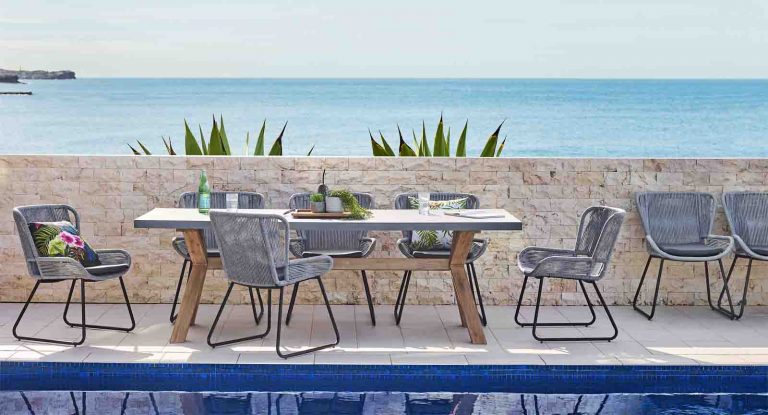
Are there any specific outdoor furniture recommendations for hot and sunny climates?
When choosing outdoor furniture for hot and sunny climates, it’s important to consider materials and features that can withstand the intense heat and sun exposure. Here are some specific recommendations:
1. Heat-Resistant Materials:
Opt for outdoor furniture made from heat-resistant materials such as aluminum, wrought iron, or teak. These materials have the ability to withstand high temperatures without warping or deteriorating.
2. UV-Resistant Fabrics:
Choose outdoor furniture with UV-resistant fabrics for cushions and upholstery. These fabrics are designed to resist fading and damage from prolonged sun exposure.
3. Breathable Fabrics:
In hot climates, it’s essential to choose outdoor furniture with breathable fabrics that allow for air circulation. Look for materials like mesh, quick-drying fabrics, or open-weave designs that promote airflow and help keep you cool.
4. Light Colors:
Light-colored outdoor furniture tends to reflect sunlight rather than absorb it, helping to keep the furniture and seating surfaces cooler. Opt for furniture in neutral or light shades to minimize heat absorption.
5. Shade Options:
Consider outdoor furniture that incorporates built-in shade options. Look for features like umbrellas, canopies, or pergolas that provide shade and protection from direct sunlight.
6. Ventilation and Airflow:
Choose outdoor furniture designs that facilitate ventilation and airflow. Look for slatted designs or furniture with open weaves that allow air to circulate freely, reducing heat buildup.
7. Portable and Versatile:
In hot climates, it can be beneficial to have furniture that is portable and versatile. Look for lightweight pieces that are easy to move and rearrange to take advantage of shade or breeze as the day progresses.
8. Storage Options:
Consider outdoor furniture that offers storage options. This can include built-in storage compartments or furniture that can be easily disassembled and stored during extreme weather conditions or extended periods of non-use.
9. Regular Maintenance:
Proper maintenance is crucial for outdoor furniture in hot and sunny climates. Regularly clean and protect the furniture according to the manufacturer’s instructions to prolong its lifespan and preserve its appearance.
By considering these recommendations, you can select outdoor furniture that is well-suited to hot and sunny climates, providing both comfort and durability in the face of intense heat and sun exposure.
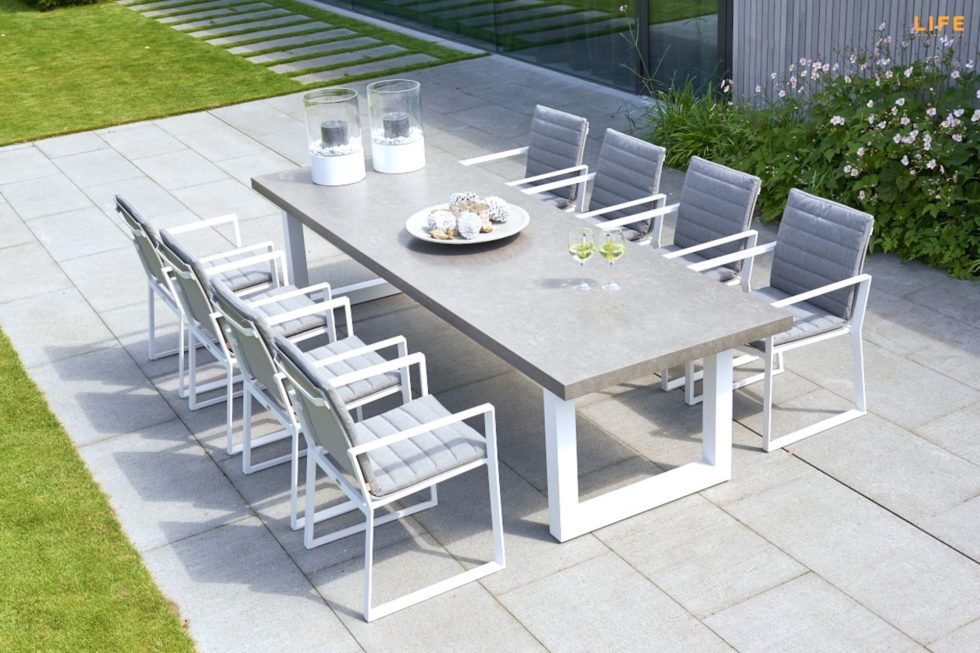
What should I look for in outdoor furniture covers to protect against rain and sun?
When selecting outdoor furniture covers to protect against rain and sun, there are several factors to consider. Here are some key features to look for:
1. Waterproof or Water-Resistant Material: Look for covers made from waterproof or water-resistant materials to protect your outdoor furniture from rain. Materials such as polyester, vinyl, or specially coated fabrics are effective in repelling water and preventing it from seeping through the cover and damaging the furniture.
2. UV Protection: Sun exposure can cause fading, discoloration, and deterioration of outdoor furniture. Ensure that the covers you choose offer UV protection to shield your furniture from harmful UV rays. Look for covers made from materials with UV-resistant coatings or those specifically designed to block UV radiation.
3. Durable Construction: Outdoor furniture covers should be constructed with durable materials and strong stitching to withstand the elements. Look for covers with reinforced seams and high-quality materials that can resist tearing and abrasion. Reinforced corners or straps can also help secure the covers in place during windy conditions.
4. Proper Fit: It’s important to choose covers that fit your outdoor furniture properly. Covers that are too small may not provide adequate protection, while those that are too large may be prone to being blown away or collecting water. Look for covers with adjustable straps, drawstrings, or elastic hems that allow you to secure them snugly around the furniture.
5. Breathability: While it’s essential for outdoor furniture covers to be waterproof, they should also be breathable to prevent the buildup of condensation and promote airflow. Look for covers with vents or mesh panels that allow moisture to escape, reducing the risk of mold or mildew formation.
6. Ease of Use and Maintenance: Consider covers that are easy to put on and take off your outdoor furniture. Covers with features like zipper closures, Velcro straps, or buckles can make the process more convenient. Additionally, look for covers that are easy to clean and maintain, as they will require periodic washing to remove dirt, debris, and stains.
7. Warranty: Check if the outdoor furniture covers come with a warranty. A warranty indicates that the manufacturer stands behind the quality and durability of their product.
When purchasing outdoor furniture covers, it’s advisable to measure your furniture dimensions accurately and choose covers that are designed for your specific furniture type or style. This will ensure a better fit and optimal protection.
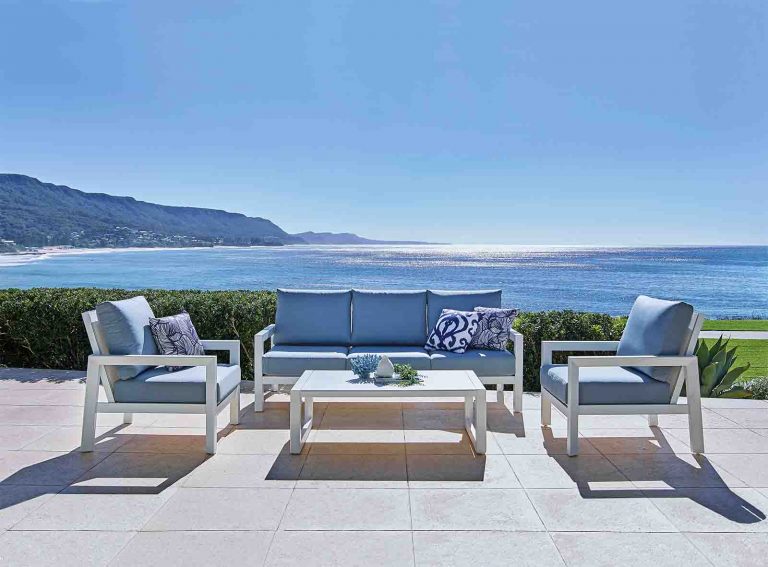
How can I properly care for and maintain my outdoor furniture?
Proper care and maintenance of outdoor furniture are essential to ensure its longevity and keep it looking its best. Here are some tips on how to care for and maintain your outdoor furniture:
1. Clean Regularly: Regular cleaning is crucial to prevent dirt, debris, and stains from accumulating on your furniture. Use a mild soap or specialized outdoor furniture cleaner and a soft brush or sponge to scrub the surfaces. Rinse thoroughly with water and allow the furniture to dry completely before using or covering it.
2. Protect from the Elements: When not in use, it’s beneficial to protect your outdoor furniture from harsh weather conditions. Use furniture covers or store the furniture in a covered area, such as a shed or garage, during extreme weather, prolonged periods of rain, or winter months. This helps prevent excessive exposure to sunlight, moisture, and temperature fluctuations.
3. Apply Protective Finishes: Depending on the material of your outdoor furniture, you may need to apply protective finishes to enhance its resistance to the elements. For example, wooden furniture can benefit from a weather-resistant sealant or protective oil to prevent cracking, splitting, and fading. Metal furniture may require occasional touch-ups with rust-resistant paint or protective coatings.
4. Inspect and Repair: Regularly inspect your outdoor furniture for any signs of damage, such as loose screws, broken parts, or weakened joints. Promptly address any issues by tightening screws, replacing damaged components, or seeking professional repairs if needed. This helps maintain the structural integrity of the furniture and prevents further damage.
5. Store Cushions Properly: If your outdoor furniture has cushions or fabric upholstery, it’s important to store them properly when not in use. Remove the cushions and store them in a dry, ventilated area to prevent mold, mildew, and fading. Consider using storage bags or containers specifically designed for cushion storage.
6. Avoid Harsh Cleaning Agents: While it’s important to clean your outdoor furniture, avoid using harsh cleaning agents, abrasive scrubbers, or power washers as they can damage the furniture’s finish or surface. Stick to mild cleaning solutions and gentle cleaning tools to maintain the integrity of the materials.
7. Follow Manufacturer’s Instructions: Always refer to the manufacturer’s instructions and guidelines for caring for your specific outdoor furniture. They may provide specific recommendations based on the material, design, and finish of the furniture.
By following these care and maintenance tips, you can extend the lifespan of your outdoor furniture and keep it looking beautiful for years to come.
editor by CX 2024-01-15