Product Description
Bioclimatic pergolas from CHINAMFG are the perfect way to bring the comfort of indoors to your garden or patio. Available with rotating louvred ,
these all-weather aluminium pergolas are durable, luxurious and give you complete control over ventilation, light and shade.
Customize an exclusive aluminum pergola for your home !!!
| Material | Aluminium alloy 6005 T5 |
| Finish | Powder coated (warranty 5 years) & PVDF (waranty 10 years) |
| Sizes | Customized |
| Colors | Standard color RAL7012, 7016, 9005, 9016, also other colors is available |
| Rainfall intensity | 0.04 to 0.05 l/s/m2 |
| Snow load | Up to 180 kg/m2 or more |
| Wind resistance | Up to 180-240 km/h for closed blades |
| Delivery time | Usual 15-20 days after payment received and drawings confirmed |
| Optional accessories | Electric Side curtain/Sliding Glass Door/LED Light/Wind and rain sensor/Heater, etc |
FAQ
1. WHAT IS MATERIAL OF YOUR PERGOLA MADE OF?
The material of beam, post and beam are all aluminium alloy 6005 T5
The material of accessories are all stainless steel 304 and brass h59
2. WHAT IS THE LONGEST SPAN OF YOUR LOUVRE BLADES?
The maximum span of our louver blades is 5m without any sagging.
3. CAN IT BE MOUNTED TO THE WALL OF HOUSE?
Yes, our aluminum pergola can be attached to an existing wall
4. WHAT’S COLORS DO YOU HAVE ?
Usual 4 standard color of RAL 7012, 7016, 9005, 9016
Also it is available custom colours from RAL color or customers’ sample color.
5. WHAT’S THE SIZE OF PERGOLA DO YOU DO ?
We are the factory, so usual we custom made any sizes according to customers’ request.
6. WHAT’S THE RAINFALL INTENSITY, SNOW LOAD AND WIND RESISTANCE ?
Rainfall intensity: 0.04 to 0.05 l/s/m2
Snow load: Up to 180 kg/m2
Wind resistance: Up to 180-240 km/h for closed blades
| Shape: | Square |
|---|---|
| Frame Material: | Aluminum Alloy |
| Sail Material: | Aluminum Alloy |
| Sail Finishing: | PVDF |
| Condition: | New |
| Customized: | Customized |
| Customization: |
Available
|
|
|---|
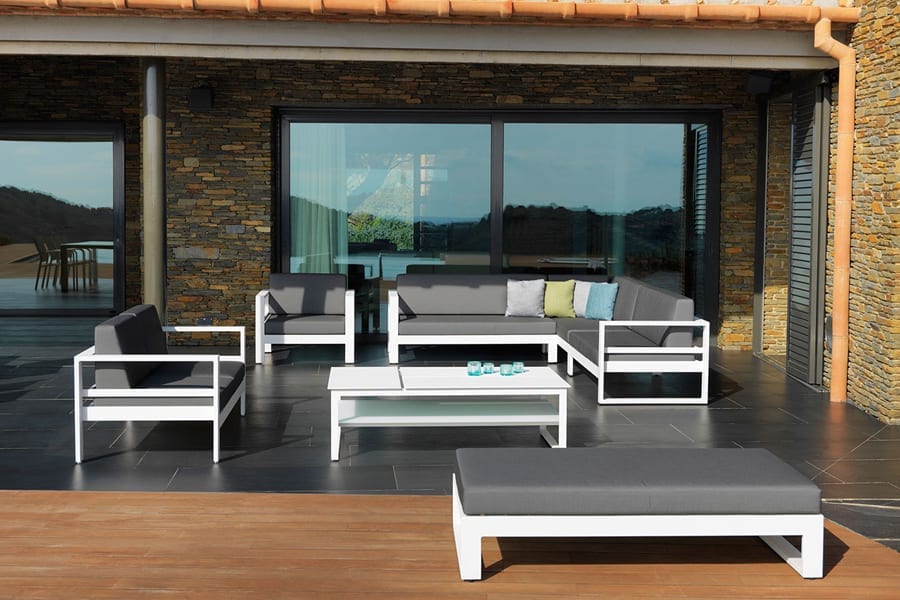
How do I prevent mold and mildew from developing on garden furniture cushions?
Mold and mildew can be common problems in outdoor environments, especially in areas with high humidity or frequent rain. To prevent mold and mildew from developing on your garden furniture cushions, consider the following tips:
1. Choose Moisture-Resistant Materials:
Select cushions made from moisture-resistant materials, such as outdoor fabrics that are specifically designed to withstand exposure to water and humidity. Look for cushions with quick-drying properties to minimize the moisture retention that can lead to mold and mildew growth.
2. Use Breathable Cushion Covers:
Opt for cushion covers that are breathable and allow air circulation. Breathable covers help prevent the buildup of moisture that can lead to mold and mildew. Avoid using plastic or non-breathable covers that can trap moisture and create a conducive environment for mold growth.
3. Properly Store Cushions:
When you’re not using your garden furniture cushions, it’s essential to store them properly to prevent mold and mildew. Ensure the cushions are completely dry before storing them. If they are damp, mold can develop during storage. Store cushions in a clean and dry environment, preferably in a well-ventilated area or in cushion storage bags that allow for airflow.
4. Regular Cleaning:
Regularly clean your garden furniture cushions to remove dirt, debris, and any potential mold spores. Follow the manufacturer’s instructions for cleaning the cushions. In most cases, you can spot clean with a mild soap and water solution. Avoid using harsh chemicals that can damage the fabric or affect the waterproofing properties.
5. Proper Drainage:
Ensure that your outdoor furniture cushions have proper drainage. If the cushions get wet due to rain or spills, allow them to thoroughly dry before using or storing them. Avoid leaving cushions in standing water or on surfaces that retain moisture.
6. Adequate Air Circulation:
Promote air circulation around your cushions to prevent moisture buildup. Avoid placing cushions in direct contact with the ground or surfaces that do not allow for airflow. Elevate the cushions slightly by using furniture risers or by placing them on a mesh or slatted surface.
7. Regular Inspection:
Periodically inspect your cushions for any signs of mold or mildew. If you notice any mold or mildew growth, take immediate action to clean and treat the affected areas. Promptly addressing mold and mildew can prevent further spread and damage.
8. Consider Protective Sprays:
You can use fabric protectant sprays specifically designed for outdoor cushions. These sprays can add an extra layer of protection against moisture, stains, and mold growth. Follow the manufacturer’s instructions for application.
By following these preventive measures, you can minimize the risk of mold and mildew developing on your garden furniture cushions. Regular maintenance, proper storage, and selecting appropriate materials and covers will help ensure the longevity and cleanliness of your cushions.
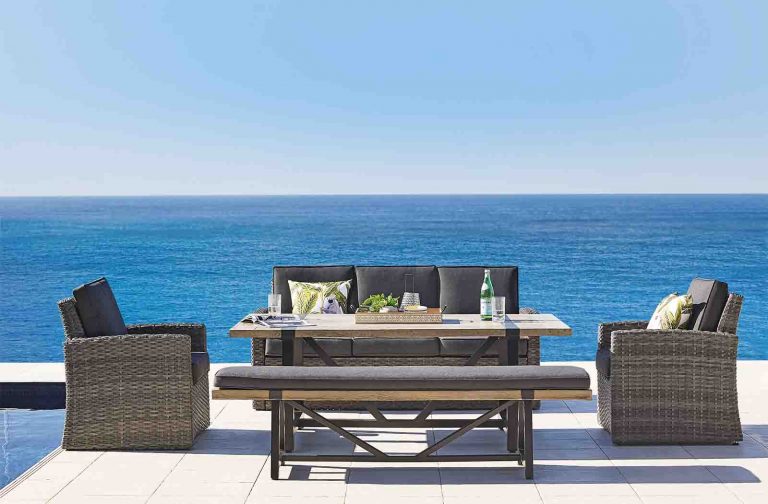
Are there any sustainable or recycled garden furniture options available?
Yes, there are several sustainable and recycled options available for garden furniture. These eco-friendly alternatives help reduce the environmental impact of furniture production and promote the use of recycled materials. Here are some examples:
1. Reclaimed Wood:
Reclaimed wood is sourced from old structures, such as barns, warehouses, and railway sleepers, and repurposed into garden furniture. Using reclaimed wood helps reduce the demand for new timber and minimizes deforestation. Additionally, it adds a rustic and unique character to the furniture.
2. Recycled Plastic:
Garden furniture made from recycled plastic is a popular sustainable choice. It is typically manufactured from post-consumer plastic waste, such as recycled bottles and packaging materials. Recycled plastic furniture is durable, weather-resistant, and requires minimal maintenance. By using recycled plastic, it helps reduce plastic waste and promotes a circular economy.
3. Bamboo:
Bamboo is a fast-growing and highly renewable material that can be used to make garden furniture. It has a similar appearance to wood and offers comparable strength and durability. Bamboo furniture is often treated to withstand outdoor conditions and can provide a sustainable alternative to traditional wood furniture.
4. Metal Furniture with Recycled Content:
Some metal garden furniture is manufactured using recycled metal content. This involves using recycled metals, such as aluminum or steel, in the production process. Choosing metal furniture with recycled content helps reduce the energy and resource requirements associated with mining and refining new metals.
5. Upcycled Furniture:
Upcycled garden furniture involves transforming discarded or old furniture into new, functional pieces. This can include refurbishing and repainting existing furniture or creatively repurposing materials to create unique designs. Upcycling reduces waste and gives new life to furniture that might have otherwise been discarded.
6. Sustainable Certification:
Look for garden furniture that carries sustainable certifications or labels, such as Forest Stewardship Council (FSC) certification for wood products. These certifications indicate that the furniture is sourced from responsibly managed forests or meets specific sustainability standards.
7. Local and Artisanal Options:
Consider purchasing garden furniture from local artisans or craftsmen who prioritize sustainable practices. Local sourcing reduces transportation emissions, supports local economies, and allows for direct communication with the makers to ensure sustainable production methods.
When selecting sustainable or recycled garden furniture, it’s important to ensure that the materials used are durable and suitable for outdoor environments. Additionally, consider the overall lifecycle of the furniture, including its end-of-life disposal options.
By choosing sustainable or recycled garden furniture, you can contribute to a more environmentally friendly outdoor space while still enjoying beautiful and functional furniture.
Are there any eco-friendly or sustainable options for garden furniture?
Yes, there are several eco-friendly and sustainable options available for garden furniture. These options prioritize environmentally conscious materials, manufacturing processes, and durability. Here are some examples of eco-friendly and sustainable garden furniture:
1. Reclaimed Wood Furniture:
Furniture made from reclaimed wood is a sustainable choice. Reclaimed wood is salvaged from old buildings, barns, or other sources and repurposed into furniture. This helps reduce the demand for new timber and minimizes waste. Reclaimed wood furniture can have a unique, rustic appearance and is often treated for outdoor use.
2. FSC Certified Wood Furniture:
FSC (Forest Stewardship Council) certification ensures that the wood used in furniture comes from responsibly managed forests. FSC-certified wood is sourced in an environmentally and socially responsible manner, promoting sustainable forestry practices. Look for garden furniture with FSC certification to support sustainable timber production.
3. Recycled Plastic Furniture:
Furniture made from recycled plastic is an eco-friendly alternative to traditional plastic or wood furniture. This type of furniture is made from post-consumer plastic waste, such as plastic bottles or packaging. Recycled plastic furniture is durable, resistant to weather conditions, and requires minimal maintenance.
4. Metal Furniture with Recycled Content:
Some metal garden furniture options incorporate recycled content. For example, aluminum furniture made from recycled aluminum reduces the need for mining new raw materials. Look for manufacturers that use recycled metal in their furniture designs to support recycling initiatives.
5. Bamboo Furniture:
Bamboo is a fast-growing and renewable resource, making it an eco-friendly material for garden furniture. It is known for its strength, durability, and natural resistance to pests and weather conditions. Bamboo furniture is lightweight, aesthetically pleasing, and can be a sustainable choice for outdoor settings.
6. Natural Fiber Furniture:
Natural fibers such as rattan, seagrass, or wicker can be sustainable options for garden furniture. These materials are derived from plants and can be harvested without causing significant harm to the environment. Look for furniture made from sustainably sourced natural fibers and treated for outdoor use.
7. Upcycled or Vintage Furniture:
Consider upcycling or repurposing old furniture to create unique and sustainable garden pieces. By giving new life to pre-existing furniture, you can reduce waste and create personalized and environmentally friendly designs. Additionally, vintage or secondhand garden furniture can be a sustainable choice, as it extends the lifespan of existing pieces.
When selecting eco-friendly or sustainable garden furniture, look for certifications, labels, or information provided by the manufacturer that indicates their commitment to sustainability. Consider the durability, maintenance requirements, and end-of-life disposal options to make an informed choice for your outdoor space.
editor by CX 2023-11-27