Product Description
Product Description
Carbon oxide co2 compressor refers to the compressor used to pressurize and transport carbon dioxide gas. Mainly used for,
1. Recovery and storage of dry ice volatile gas in CO2 plant and recycling of waste CO2 in the plant,
2. Use the liquid characteristics of CO2 for industrial and pharmaceutical extraction process
3. Large carbon dioxide compressor is mainly used in urea synthesis unit
|
Model |
Working medium |
suction pressure (Mpa,Psig) |
Discharge pressure (Mpa,Psig) |
Motor.KW |
Flow rate Nm3/hr |
Voltage |
Cooling way |
|
CW-30/0.05-20 |
CO2 |
Atmosphere |
2,287 |
7.5kw |
30 |
220V/380V/415V/440V 50/60HZ |
air cooling |
|
CW-30/3-30 |
CO2 |
0.3,43 |
3,430 |
7.5 |
30 |
220V/380V/415V/440V 50/60HZ |
air cooling |
|
CW-30/2-65 |
CO2 |
0.2,28 |
6.5,935 |
30 |
11 |
220V/380V/415V/440V 50/60HZ |
air cooling |
|
CW-30/55-80 |
CO2 |
5.5,790 |
8,1150 |
1.1 |
30 |
220V/380V/415V/440V 50/60HZ |
air cooling |
|
CW-80/0.05-20 |
CO2 |
Atmosphere |
2,287 |
18.5 |
80 |
220V/380V/415V/440V 50/60HZ |
water cooling |
|
CW-105/0.2-25 |
CO2 |
0.02,3 |
2.5,360 |
30 |
105 |
220V/380V/415V/440V 50/60HZ |
water cooling |
|
CW-100/0.05-20 |
CO2 |
Atmosphere |
2,287 |
22 |
100 |
220V/380V/415V/440V 50/60HZ |
water cooling |
|
CW-110/0.02-18 |
CO2 |
Atmosphere |
1.8,260 |
30 |
110 |
220V/380V/415V/440V 50/60HZ |
water cooling |
|
CW-135/0.05-20 |
CO2 |
Atmosphere |
2,287 |
30 |
130 |
220V/380V/415V/440V 50/60HZ |
water cooling |
|
CW-250/2-25 |
CO2 |
0.2,28 |
2.5,360 |
37 |
250 |
220V/380V/415V/440V 50/60HZ |
water cooling |
|
CW-300/1-25 |
CO2 |
0.1,14 |
2.5,360 |
45 |
300 |
220V/380V/415V/440V 50/60HZ |
water cooling |
|
CW-1200/70-150 |
CO2 |
7,1000 |
15,2150 |
55 |
1200 |
220V/380V/415V/440V 50/60HZ |
water cooling |
/* March 10, 2571 17:59:20 */!function(){function s(e,r){var a,o={};try{e&&e.split(“,”).forEach(function(e,t){e&&(a=e.match(/(.*?):(.*)$/))&&1
| After-sales Service: | One Year |
|---|---|
| Warranty: | One Year |
| Lubrication Style: | Oil-free |
| Cooling System: | Air Cooling |
| Power Source: | AC Power |
| Cylinder Position: | Other |
| Customization: |
Available
|
|
|---|
.webp)
What is the role of air compressors in power generation?
Air compressors play a significant role in power generation, supporting various operations and equipment within the industry. Here are some key roles of air compressors in power generation:
1. Combustion Air Supply:
Air compressors are used to supply compressed air for the combustion process in power generation. In fossil fuel power plants, such as coal-fired or natural gas power plants, compressed air is required to deliver a steady flow of air to the burners. The compressed air helps in the efficient combustion of fuel, enhancing the overall performance and energy output of the power plant.
2. Instrumentation and Control:
Air compressors are utilized for instrumentation and control systems in power generation facilities. Compressed air is used to operate pneumatic control valves, actuators, and other pneumatic devices that regulate the flow of steam, water, and gases within the power plant. The reliable and precise control provided by compressed air ensures efficient and safe operation of various processes and equipment.
3. Cooling and Ventilation:
In power generation, air compressors are involved in cooling and ventilation applications. Compressed air is used to drive air-operated cooling fans and blowers, providing adequate airflow for cooling critical components such as generators, transformers, and power electronics. The compressed air also assists in maintaining proper ventilation in control rooms, substations, and other enclosed spaces, helping to dissipate heat and ensure a comfortable working environment.
4. Cleaning and Maintenance:
Air compressors are employed for cleaning and maintenance tasks in power generation facilities. Compressed air is utilized to blow away dust, dirt, and debris from equipment, machinery, and electrical panels. It helps in maintaining the cleanliness and optimal performance of various components, reducing the risk of equipment failure and improving overall reliability.
5. Pneumatic Tools and Equipment:
In power generation plants, air compressors provide the necessary compressed air for operating pneumatic tools and equipment. These tools include impact wrenches, pneumatic drills, grinders, and sandblasting equipment, which are utilized for installation, maintenance, and repair tasks. The high-pressure air generated by compressors enables efficient and reliable operation of these tools, enhancing productivity and reducing manual effort.
6. Nitrogen Generation:
Sometimes, air compressors are used in power generation for nitrogen generation. Compressed air is passed through a nitrogen generator system, which separates nitrogen from other components of air, producing a high-purity nitrogen gas stream. Nitrogen is commonly used in power plant applications, such as purging systems, blanketing in transformers, and generator cooling, due to its inert properties and low moisture content.
7. Start-up and Emergency Systems:
Air compressors are an integral part of start-up and emergency systems in power generation. Compressed air is utilized to power pneumatic starters for gas turbines, providing the initial rotation needed to start the turbine. In emergency situations, compressed air is also used to actuate emergency shutdown valves, safety systems, and fire suppression equipment, ensuring the safe operation and protection of the power plant.
Overall, air compressors contribute to the efficient and reliable operation of power generation facilities, supporting combustion processes, control systems, cooling, cleaning, and various other applications critical to the power generation industry.
.webp)
What is the impact of altitude on air compressor performance?
The altitude at which an air compressor operates can have a significant impact on its performance. Here are the key factors affected by altitude:
1. Decreased Air Density:
As altitude increases, the air density decreases. This means there is less oxygen available per unit volume of air. Since air compressors rely on the intake of atmospheric air for compression, the reduced air density at higher altitudes can lead to a decrease in compressor performance.
2. Reduced Airflow:
The decrease in air density at higher altitudes results in reduced airflow. This can affect the cooling capacity of the compressor, as lower airflow hampers the dissipation of heat generated during compression. Inadequate cooling can lead to increased operating temperatures and potential overheating of the compressor.
3. Decreased Power Output:
Lower air density at higher altitudes also affects the power output of the compressor. The reduced oxygen content in the air can result in incomplete combustion, leading to decreased power generation. As a result, the compressor may deliver lower airflow and pressure than its rated capacity.
4. Extended Compression Cycle:
At higher altitudes, the air compressor needs to work harder to compress the thinner air. This can lead to an extended compression cycle, as the compressor may require more time to reach the desired pressure levels. The longer compression cycle can affect the overall efficiency and productivity of the compressor.
5. Pressure Adjustments:
When operating an air compressor at higher altitudes, it may be necessary to adjust the pressure settings. As the ambient air pressure decreases with altitude, the compressor’s pressure gauge may need to be recalibrated to maintain the desired pressure output. Failing to make these adjustments can result in underinflated tires, improper tool performance, or other issues.
6. Compressor Design:
Some air compressors are specifically designed to handle higher altitudes. These models may incorporate features such as larger intake filters, more robust cooling systems, and adjusted compression ratios to compensate for the reduced air density and maintain optimal performance.
7. Maintenance Considerations:
Operating an air compressor at higher altitudes may require additional maintenance and monitoring. It is important to regularly check and clean the intake filters to ensure proper airflow. Monitoring the compressor’s operating temperature and making any necessary adjustments or repairs is also crucial to prevent overheating and maintain efficient performance.
When using an air compressor at higher altitudes, it is advisable to consult the manufacturer’s guidelines and recommendations specific to altitude operations. Following these guidelines and considering the impact of altitude on air compressor performance will help ensure safe and efficient operation.
.webp)
Can air compressors be used for automotive applications?
Yes, air compressors can be used for various automotive applications and are commonly found in automotive repair shops, garages, and even in some vehicles. Here are some automotive applications where air compressors are frequently utilized:
1. Tire Inflation: Air compressors are commonly used to inflate tires in automotive applications. They provide a convenient and efficient way to inflate tires to the recommended pressure, ensuring optimal tire performance, fuel efficiency, and safety.
2. Air Tools: Air compressors power a wide range of pneumatic tools used in automotive repair and maintenance. These tools include impact wrenches, ratchet wrenches, air hammers, pneumatic drills, and sanders. Air-powered tools are favored for their high torque and power-to-weight ratio, making them suitable for heavy-duty automotive tasks.
3. Spray Painting: Air compressors are commonly used in automotive painting applications. They power airbrushes and spray guns that are used to apply paint, primer, and clear coats. Air compressors provide the necessary air pressure to atomize the paint and deliver a smooth and even finish.
4. Brake System Maintenance: Air compressors play a crucial role in maintaining and diagnosing automotive brake systems. They are used to pressurize the brake lines, allowing for proper bleeding of the system and detection of leaks or faults.
5. Suspension Systems: Some automotive suspension systems, such as air suspensions, rely on air compressors to maintain the desired air pressure in the suspension components. The compressor inflates or deflates the suspension as needed to provide a comfortable ride and optimal handling.
6. Cleaning and Dusting: Air compressors are used for cleaning automotive parts, blowing away dust and debris, and drying surfaces. They provide a high-pressure stream of air that effectively cleans hard-to-reach areas.
7. Air Conditioning Systems: Air compressors are a key component in automotive air conditioning systems. They compress and circulate refrigerant, allowing the system to cool and dehumidify the air inside the vehicle.
When using air compressors for automotive applications, it’s important to consider the specific requirements of the task at hand. Ensure that the air compressor has the necessary pressure and capacity to meet the demands of the application. Additionally, use appropriate air hoses, fittings, and tools that are compatible with the compressor’s output.
Overall, air compressors are versatile and valuable tools in the automotive industry, providing efficient power sources for a wide range of applications, from tire inflation to powering pneumatic tools and supporting various automotive systems.


editor by CX 2023-12-28
China factory High-Quality Manufacturer 132kw175HP Power-Frequency Integrated Screw Air Compressor Manufacturer Direct Sales small air compressor
Product Description
HENNI INTERNATIONAL GROUP
Three selling points
Host Motor rotor Motor stator
The main parts of air compressor Generate electrical power used toproduce compresse dgas
About the air compressor
Oil and gas drum
Used to store gas The device is set simulta neously System pressurestabilization Definiteaction
| Power frequency air compressor:175A | |||
| Power | 132KW | Stress | 0.8Mpa |
| Size | 2400*1500*1860 | Exhaust | 22m³/min |
| Noise | 80±2Dda | Weight | 1725KG |
| Gas tanks:2m³ | |||
| Stress | 0.8Mpa | Internal diameter | 1000mm |
| Height | 2860mm | Material | Carbon Steel |
| Dryer:200AC | |||
| Wind volume | 28.5m³ | Electricity | 380/50HZ |
| Size | 1450*650*1400 | At the volumetric temperature | ≤80ºC |
| Dew point temperature | 2-10ºC | Stress | 4.7Mpa |
| Filter:DH-035 | |||
| Wind volume | 6m³ | Stress | 1.3Mpa |
| Diameter | 109mm | Length | 366mm |
/* March 10, 2571 17:59:20 */!function(){function s(e,r){var a,o={};try{e&&e.split(“,”).forEach(function(e,t){e&&(a=e.match(/(.*?):(.*)$/))&&1
| After-sales Service: | Yes |
|---|---|
| Warranty: | 1 Year |
| Lubrication Style: | Lubricated |
| Cooling System: | Air Cooling |
| Power Source: | AC Power |
| Cylinder Position: | Horizontal |
| Customization: |
Available
|
|
|---|
.webp)
What role do air dryers play in compressed air systems?
Air dryers play a crucial role in compressed air systems by removing moisture and contaminants from the compressed air. Compressed air, when generated, contains water vapor from the ambient air, which can condense and cause issues in the system and end-use applications. Here’s an overview of the role air dryers play in compressed air systems:
1. Moisture Removal:
Air dryers are primarily responsible for removing moisture from the compressed air. Moisture in compressed air can lead to problems such as corrosion in the system, damage to pneumatic tools and equipment, and compromised product quality in manufacturing processes. Air dryers utilize various techniques, such as refrigeration, adsorption, or membrane separation, to reduce the dew point of the compressed air and eliminate moisture.
2. Contaminant Removal:
In addition to moisture, compressed air can also contain contaminants like oil, dirt, and particles. Air dryers help in removing these contaminants to ensure clean and high-quality compressed air. Depending on the type of air dryer, additional filtration mechanisms may be incorporated to enhance the removal of oil, particulates, and other impurities from the compressed air stream.
3. Protection of Equipment and Processes:
By removing moisture and contaminants, air dryers help protect the downstream equipment and processes that rely on compressed air. Moisture and contaminants can negatively impact the performance, reliability, and lifespan of pneumatic tools, machinery, and instrumentation. Air dryers ensure that the compressed air supplied to these components is clean, dry, and free from harmful substances, minimizing the risk of damage and operational issues.
4. Improved Productivity and Efficiency:
Utilizing air dryers in compressed air systems can lead to improved productivity and efficiency. Dry and clean compressed air reduces the likelihood of equipment failures, downtime, and maintenance requirements. It also prevents issues such as clogging of air lines, malfunctioning of pneumatic components, and inconsistent performance of processes. By maintaining the quality of compressed air, air dryers contribute to uninterrupted operations, optimized productivity, and cost savings.
5. Compliance with Standards and Specifications:
Many industries and applications have specific standards and specifications for the quality of compressed air. Air dryers play a vital role in meeting these requirements by ensuring that the compressed air meets the desired quality standards. This is particularly important in industries such as food and beverage, pharmaceuticals, electronics, and automotive, where clean and dry compressed air is essential for product integrity, safety, and regulatory compliance.
By incorporating air dryers into compressed air systems, users can effectively control moisture and contaminants, protect equipment and processes, enhance productivity, and meet the necessary quality standards for their specific applications.
.webp)
How do you troubleshoot common air compressor problems?
Troubleshooting common air compressor problems can help identify and resolve issues that may affect the performance and functionality of the compressor. Here are some steps to troubleshoot common air compressor problems:
1. No Power:
- Check the power source and ensure the compressor is properly plugged in.
- Inspect the circuit breaker or fuse box to ensure it hasn’t tripped or blown.
- Verify that the compressor’s power switch or control panel is turned on.
2. Low Air Pressure:
- Check the air pressure gauge on the compressor. If the pressure is below the desired level, the compressor might not be building up enough pressure.
- Inspect for air leaks in the system. Leaks can cause a drop in pressure. Listen for hissing sounds or use a soapy water solution to identify the location of leaks.
- Ensure the compressor’s intake filter is clean and not clogged, as this can restrict airflow and reduce pressure.
3. Excessive Noise or Vibration:
- Inspect the compressor’s mounting and foundation to ensure it is secure and stable. Loose mounts can cause excessive noise and vibration.
- Check for loose or damaged components, such as belts, pulleys, or motor mounts. Tighten or replace as necessary.
- Verify that the compressor’s cooling system, such as the fan or fins, is clean and free from obstructions. Overheating can lead to increased noise and vibration.
4. Air Leaks:
- Inspect all connections, valves, fittings, and hoses for leaks. Tighten or replace any loose or damaged components.
- Apply a soapy water solution to suspected areas and look for bubbles. Bubbles indicate air leaks.
- Consider using thread sealant or Teflon tape on threaded connections to ensure a proper seal.
5. Excessive Moisture in Compressed Air:
- Check the compressor’s drain valve and ensure it is functioning properly. Open the valve to release any accumulated moisture.
- Inspect and clean the compressor’s moisture separator or air dryer, if equipped.
- Consider installing additional filtration or drying equipment to remove moisture from the compressed air system.
6. Motor Overheating:
- Ensure the compressor’s cooling system is clean and unobstructed.
- Check the motor’s air intake vents and clean any dust or debris that may be blocking airflow.
- Verify that the compressor is not being operated in an excessively hot environment.
- Check the motor’s lubrication levels and ensure they are within the manufacturer’s recommended range.
- Consider using a thermal overload protector to prevent the motor from overheating.
If troubleshooting these common problems does not resolve the issue, it may be necessary to consult the manufacturer’s manual or seek assistance from a qualified technician. Regular maintenance, such as cleaning, lubrication, and inspection, can also help prevent common problems and ensure the optimal performance of the air compressor.
.webp)
In which industries are air compressors widely used?
Air compressors find extensive usage across various industries due to their versatility and ability to generate compressed air. Here are some industries where air compressors are widely employed:
1. Manufacturing: Air compressors are essential in manufacturing processes for powering pneumatic tools and equipment. They are used for tasks such as operating assembly lines, powering robotic machinery, running paint sprayers, and driving pneumatic actuators.
2. Construction: Air compressors play a crucial role in the construction industry. They power pneumatic tools like jackhammers, nail guns, impact wrenches, and concrete breakers. Compressed air is also used for concrete spraying, sandblasting, and operating air-powered lifts and hoists.
3. Automotive: Air compressors are widely used in automotive manufacturing and repair. They power air tools used in auto body shops, tire inflation equipment, pneumatic lifts, and air-operated brake systems. Compressed air is also utilized in vehicle painting and drying processes.
4. Oil and Gas: The oil and gas industry extensively relies on air compressors for various applications. They are used for pneumatic drilling, powering pneumatic tools in refineries and petrochemical plants, operating pneumatic valves and actuators, and providing instrument air for control systems.
5. Food and Beverage: Air compressors are employed in the food and beverage industry for tasks such as packaging, bottling, and sealing. They power pneumatic conveying systems, control air pressure in food processing equipment, and provide clean compressed air for food handling and storage.
6. Pharmaceutical and Healthcare: Air compressors find application in pharmaceutical manufacturing and healthcare facilities. They are used for operating medical equipment, such as ventilators and dental tools. Compressed air is also utilized in pharmaceutical processes, including tablet coating, fluid bed drying, and aseptic packaging.
7. Aerospace: The aerospace industry relies on air compressors for various applications, including aircraft maintenance and assembly. They power pneumatic tools for aircraft repair, provide compressed air for cleaning and pressurizing systems, and support ground operations, such as tire inflation and aircraft de-icing.
8. Mining: Air compressors are extensively used in the mining industry. They power pneumatic tools for drilling, rock blasting, and excavation. Compressed air is also utilized for ventilation, conveying materials, and operating underground equipment.
9. Energy and Utilities: Air compressors play a vital role in the energy and utilities sector. They are used in power generation plants for pneumatic control systems, instrument air, and operating pneumatic valves. Compressed air is also employed for cleaning and maintenance purposes.
These are just a few examples of the industries where air compressors are widely utilized. The versatility and reliability of air compressors make them indispensable in numerous applications across diverse sectors.
editor by CX 2023-12-28
China high quality New Air Suspension Compressor for Land Rover Discovery II 1998-2004 supplier
Product Description
OE number:
RQG100041
Application:
1999-2004 discovery2
| Size | Standard |
| Shock Absorber Type | Gas-filled |
| Warranty | 12 months |
| Package | Boxes, Cartons |
| Delivery time | wiuthin 7 days after getting your payments |
| Payments | T/T, western union,Alipay |
| Our advantage | Factory directly sale, high quality and competitive price.Professional in the manufacture of air suspension |
| Other products | Air Spring, air suspension shock,Air compressor, air valve,rubber sleeve,metal ring,buffer,plastic,dust cover, |
Our Products mainly include air spring, air suspension,air compressor,rubber sleeve and other suspension parts for MercedeS Benz,BMW, Audi,Land Rover, Porsche,VW and so on.According to the clients, we could be warranty from 12 months to 24 months.
Specification:
Service:
1.Quality Warranty: according to the clients’ request, we could guarantee fron 12 month to 24 months.
2.Delivery time: within 7 days after getting your payments. Regarding the big orders, it need about 15-30 days. according to our stocck and product task.
3.Quick response: We will reply to our clients within 24 hour and try our best to meet the clients request.
4.Good Service: Be Honest Forever.However you buy 1 pcs order or you buy more than 1000 pcs, we will sincerely reply to every client.
5.Sample policy: We could send you 1 pcs free rubber sleeve for your test. Regarding air spring and air suepsnion, we could return to your sample cost if you order 100 pcs 1 time in your next orders.
Factory workshop:
Packing and Shipping:
Payments:
Clients Feedback
Company Culture:
Company philosophy: take it from the society and serve the society
Development philosophy: dedicated to air spring technology research, build international top air suspension products
Company spirit: honesty, innovation, harmony and CHINAMFG development /* March 10, 2571 17:59:20 */!function(){function s(e,r){var a,o={};try{e&&e.split(“,”).forEach(function(e,t){e&&(a=e.match(/(.*?):(.*)$/))&&1
| Material: | Rubber+Steel+Plastic |
|---|---|
| Car Make: | Discovery 2 |
| Position: | Rear |
| OEM: | Yes |
| Type: | Air Suspension Compressor |
| Warranty: | 12 Months |
| Samples: |
US$ 195/Piece
1 Piece(Min.Order) | |
|---|
| Customization: |
Available
|
|
|---|
How does variable speed drive technology improve air compressor efficiency?
Variable Speed Drive (VSD) technology improves air compressor efficiency by allowing the compressor to adjust its motor speed to match the compressed air demand. This technology offers several benefits that contribute to energy savings and enhanced overall system efficiency. Here’s how VSD technology improves air compressor efficiency:
1. Matching Air Demand:
Air compressors equipped with VSD technology can vary the motor speed to precisely match the required compressed air output. Traditional fixed-speed compressors operate at a constant speed regardless of the actual demand, leading to energy wastage during periods of lower air demand. VSD compressors, on the other hand, ramp up or down the motor speed to deliver the necessary amount of compressed air, ensuring optimal energy utilization.
2. Reduced Unloaded Running Time:
Fixed-speed compressors often run unloaded during periods of low demand, where they continue to consume energy without producing compressed air. VSD technology eliminates or significantly reduces this unloaded running time by adjusting the motor speed to closely follow the air demand. As a result, VSD compressors minimize energy wastage during idle periods, leading to improved efficiency.
3. Soft Starting:
Traditional fixed-speed compressors experience high inrush currents during startup, which can strain the electrical system and cause voltage dips. VSD compressors utilize soft starting capabilities, gradually ramping up the motor speed instead of instantly reaching full speed. This soft starting feature reduces mechanical and electrical stress, ensuring a smooth and controlled startup, and minimizing energy spikes.
4. Energy Savings at Partial Load:
In many applications, compressed air demand varies throughout the day or during different production cycles. VSD compressors excel in such scenarios by operating at lower speeds during periods of lower demand. Since power consumption is proportional to motor speed, running the compressor at reduced speeds significantly reduces energy consumption compared to fixed-speed compressors that operate at a constant speed regardless of the demand.
5. Elimination of On/Off Cycling:
Fixed-speed compressors often use on/off cycling to adjust the compressed air output. This cycling can result in frequent starts and stops, which consume more energy and cause mechanical wear. VSD compressors eliminate the need for on/off cycling by continuously adjusting the motor speed to meet the demand. By operating at a consistent speed within the required range, VSD compressors minimize energy losses associated with frequent cycling.
6. Enhanced System Control:
VSD compressors offer advanced control capabilities, allowing for precise monitoring and adjustment of the compressed air system. These systems can integrate with sensors and control algorithms to maintain optimal system pressure, minimize pressure fluctuations, and prevent excessive energy consumption. The ability to fine-tune the compressor’s output based on real-time demand contributes to improved overall system efficiency.
By utilizing variable speed drive technology, air compressors can achieve significant energy savings, reduce operational costs, and enhance their environmental sustainability by minimizing energy wastage and optimizing efficiency.
What are the environmental considerations when using air compressors?
When using air compressors, there are several environmental considerations to keep in mind. Here’s an in-depth look at some of the key factors:
Energy Efficiency:
Energy efficiency is a crucial environmental consideration when using air compressors. Compressing air requires a significant amount of energy, and inefficient compressors can consume excessive power, leading to higher energy consumption and increased greenhouse gas emissions. It is important to choose energy-efficient air compressors that incorporate features such as Variable Speed Drive (VSD) technology and efficient motor design, as they can help minimize energy waste and reduce the carbon footprint.
Air Leakage:
Air leakage is a common issue in compressed air systems and can contribute to energy waste and environmental impact. Leaks in the system result in the continuous release of compressed air, requiring the compressor to work harder and consume more energy to maintain the desired pressure. Regular inspection and maintenance of the compressed air system to detect and repair leaks can help reduce air loss and improve overall energy efficiency.
Noise Pollution:
Air compressors can generate significant noise levels during operation, which can contribute to noise pollution. Prolonged exposure to high noise levels can have detrimental effects on human health and well-being and can also impact the surrounding environment and wildlife. It is important to consider noise reduction measures such as sound insulation, proper equipment placement, and using quieter compressor models to mitigate the impact of noise pollution.
Emissions:
While air compressors do not directly emit pollutants, the electricity or fuel used to power them can have an environmental impact. If the electricity is generated from fossil fuels, the associated emissions from power plants contribute to air pollution and greenhouse gas emissions. Choosing energy sources with lower emissions, such as renewable energy, can help reduce the environmental impact of operating air compressors.
Proper Waste Management:
Proper waste management is essential when using air compressors. This includes the appropriate disposal of compressor lubricants, filters, and other maintenance-related materials. It is important to follow local regulations and guidelines for waste disposal to prevent contamination of soil, water, or air and minimize the environmental impact.
Sustainable Practices:
Adopting sustainable practices can further reduce the environmental impact of using air compressors. This can include implementing preventive maintenance programs to optimize performance, reducing idle time, and promoting responsible use of compressed air by avoiding overpressurization and optimizing system design.
By considering these environmental factors and taking appropriate measures, it is possible to minimize the environmental impact associated with the use of air compressors. Choosing energy-efficient models, addressing air leaks, managing waste properly, and adopting sustainable practices can contribute to a more environmentally friendly operation.
.webp)
What are the safety considerations when operating an air compressor?
Operating an air compressor requires careful attention to safety to prevent accidents, injuries, and equipment damage. Here are some important safety considerations to keep in mind:
1. Read the Manual: Before operating an air compressor, thoroughly read and understand the manufacturer’s instruction manual. Familiarize yourself with the specific safety guidelines, recommended operating procedures, and any specific precautions or warnings provided by the manufacturer.
2. Proper Ventilation: Ensure that the area where the air compressor is operated has adequate ventilation. Compressed air can produce high levels of heat and exhaust gases. Good ventilation helps dissipate heat, prevent the buildup of fumes, and maintain a safe working environment.
3. Personal Protective Equipment (PPE): Always wear appropriate personal protective equipment, including safety glasses or goggles, hearing protection, and non-slip footwear. Depending on the task, additional PPE such as gloves, a dust mask, or a face shield may be necessary to protect against specific hazards.
4. Pressure Relief: Air compressors should be equipped with pressure relief valves or devices to prevent overpressurization. Ensure that these safety features are in place and functioning correctly. Regularly inspect and test the pressure relief mechanism to ensure its effectiveness.
5. Secure Connections: Use proper fittings, hoses, and couplings to ensure secure connections between the air compressor, air tools, and accessories. Inspect all connections before operation to avoid leaks or sudden hose disconnections, which can cause injuries or damage.
6. Inspect and Maintain: Regularly inspect the air compressor for any signs of damage, wear, or leaks. Ensure that all components, including hoses, fittings, and safety devices, are in good working condition. Follow the manufacturer’s recommended maintenance schedule to keep the compressor in optimal shape.
7. Electrical Safety: If the air compressor is electric-powered, take appropriate electrical safety precautions. Use grounded outlets and avoid using extension cords unless approved for the compressor’s power requirements. Protect electrical connections from moisture and avoid operating the compressor in wet or damp environments.
8. Safe Start-Up and Shut-Down: Properly start and shut down the air compressor following the manufacturer’s instructions. Ensure that all air valves are closed before starting the compressor and release all pressure before performing maintenance or repairs.
9. Training and Competence: Ensure that operators are adequately trained and competent in using the air compressor and associated tools. Provide training on safe operating procedures, hazard identification, and emergency response protocols.
10. Emergency Preparedness: Have a clear understanding of emergency procedures and how to respond to potential accidents or malfunctions. Know the location of emergency shut-off valves, fire extinguishers, and first aid kits.
By adhering to these safety considerations and implementing proper safety practices, the risk of accidents and injuries associated with operating an air compressor can be significantly reduced. Prioritizing safety promotes a secure and productive working environment.
editor by CX 2023-12-27
China Good quality Low Noise 11kw 15kw 18.5kw Screw Air Compressor Energy Saving Screw Air Compressor Low Price CHINAMFG supplier
Product Description
China 30hp 22kw high pressure electric rotary screw air compressor for industrial
Product Description
Screw compressors are designed for those applications that require a high volume of compressed air and/or continuous usage.
They do not require to stop for the cooling process, allowing constant air production. Silent, efficient, and reliable, Jiayi’s screw
compressors grant you a more comfortable workspace, continuous usage, longer components’ lifecycle, more efficiency, and
cost savings.
Screw compressors operate based on 2 meshing helical screw rotating in inverse order, avoiding any contact with mechanical
parts.
VARIABLE SPEED SCREW COMPRESSORS
Variable speed screw compressors allow you to save up lots of power energy, compared to fixed speed ones. While traditional
compressors work at 1 speed (at 100%), variable speed screw compressors regulate the motor’s speed to adjust to the
production’s fluctuating air requirements. They are ideal for applications and production systems whose usage of compressed air
varies during the day, granting the right quantity of air needed and a saving the cost of electricity.
HIGH EFFICIENCY IN VARIABLE SPEED SCREW COMPRESSORS
The magnet permanent motor controll the energy consumption better than fixed speed compressors. This innovative technology
takes the energy savings to a new level, improving efficiency and performance. Jiayi’s innovative technology guarantees
remarkable savings on energy bills, creating return on the investment in 1-2 years.
| NO. | COMPARE | PERMANENT MAGNETIC FREQUENCY CONVERSION | INDUSTRIAL FREQUENCY | RESULT | CONCLUSION |
| 1 | Motor efficiency | 94%-96% | 87%-89% | 7% saving | The permanent magnetic inverter model save 32% more envergy than the normal industrial frequency type. |
| 2 | No-load electricity consumption | 45% of the full capacity | 45% of the full capacity | if we assume average no loading time 30%,the overall saving will be 13.5% | |
| 3 | Over pressure electricity consumption | no | average 1kg/cm,electricity consumption 7% | 7% saving | |
| 4 | Integrated shaft efficiency | 100% | belt 94%, coupling 97% | save on belt 6%, on coupling 3% | |
| 5 | Other advantage | constant pressure output | variable pressure | permanent magnetic ensure the production quality |
Product Parameters
| SJ series screw air compressor technical data | ||||
| Model | SJ10A | SJ15A | SJ20A | SJ25A |
| Air volume / Air pressure | 1.2m3/min 0.7Mpa |
1.65m3/min 0.7Mpa |
2.5m3/min 0.7Mpa |
3.2m3/min 0.70Mpa |
| Lubricating oil | 4L | 8L | 8L | 12L |
| Power | 7.5kw | 11kw | 15kw | 18.5kw |
| Type | Variable speed, magnet permanent motor | Variable speed, magnet permanent motor | Variable speed, magnet permanent motor | Variable speed, magnet permanent motor |
| Size | 880*600*820mm | 1080*720*1000mm | 1080*720*1000mm | 1250*850*1080mm |
| Weight | 120kgs | 214kgs | 214kgs | 282kgs |
| Noise | 66dB(A) | 68dB(A) | 68dB(A) | 68dB(A) |
| Driving mode | Direct link | |||
| Output pipe | G3/4 | G3/4 | G3/4 | G 1 1/4 |
Feature
In the workshop, air consumption is high during the day time but comparatively low in the night. In the meantime, the air
consumption in busy season is much higher than that of in low season.
92% air compressors have got serious fluctuations during operation
70% air compressors have a load between 40% to 80% while working.
Thus, there is much energy to save if we use a variable frequency compressor in stead.
1. Permanent magnet frequency conversion motor that makes the machine meets the National Level 1 energy efiiciency standard.
2. The new patent design of screw type machine equipped with 8 sets of S K F import bearing.
3. Big name brand frenquency converter / inverter, top vector frequency conversion control system.
4. Double frenquency conversion desigh makes frequency changing possible for for both motor and the fan.
5. PID air volume regulation technology for saving overall air consumption.
6. 40-200hz wide frequency option in order to meet different working conditions.
7. Stable air pressure, fluctuation within 0.1bar.
8. 0 load start, less effect on power grid.
9. A better design to seperate the low temperature and high temperature unit, so the electrical componentes have longer life span.
10. Best human manchine interface with more date and detailed function.
Smart Control Panel
The digital control panel can control versatile situation with clear display, which makes the air compressor easy to control and easy
to maintain.
High Efficient Built-in Cooler
The cooler is designed for high temperature environment, it helps to keep air compressor running in an appropriate temperature.
Detailed Photos
Factory details
Packaging & Shipping
/* March 10, 2571 17:59:20 */!function(){function s(e,r){var a,o={};try{e&&e.split(“,”).forEach(function(e,t){e&&(a=e.match(/(.*?):(.*)$/))&&1
| After-sales Service: | One Year Warranty |
|---|---|
| Warranty: | 12 Month Warranty |
| Lubrication Style: | Oil-free |
| Cooling System: | High Efficiency |
| Power Source: | AC Power |
| Cylinder Position: | Vertical |
| Samples: |
US$ 790/Piece
1 Piece(Min.Order) | |
|---|
| Customization: |
Available
|
|
|---|
.webp)
What are the differences between stationary and portable air compressors?
Stationary and portable air compressors are two common types of air compressors with distinct features and applications. Here are the key differences between them:
1. Mobility:
The primary difference between stationary and portable air compressors is their mobility. Stationary air compressors are designed to be permanently installed in a fixed location, such as a workshop or a factory. They are typically larger, heavier, and not easily movable. On the other hand, portable air compressors are smaller, lighter, and equipped with handles or wheels for easy transportation. They can be moved from one location to another, making them suitable for jobsites, construction sites, and other mobile applications.
2. Power Source:
Another difference lies in the power source used by stationary and portable air compressors. Stationary compressors are usually powered by electricity, as they are designed for continuous operation in a fixed location with access to power outlets. They are connected to the electrical grid or have dedicated wiring. In contrast, portable compressors are available in various power options, including electric, gasoline, and diesel engines. This versatility allows them to operate in remote areas or sites without readily available electricity.
3. Tank Capacity:
Tank capacity is also a distinguishing factor between stationary and portable air compressors. Stationary compressors often have larger storage tanks to store compressed air for extended periods. The larger tanks enable them to deliver a continuous and steady supply of compressed air for longer durations without the need for frequent cycling. Portable compressors, due to their compact size and portability, generally have smaller tank capacities, which may be sufficient for intermittent or smaller-scale applications.
4. Performance and Output:
The performance and output capabilities of stationary and portable air compressors can vary. Stationary compressors are typically designed for high-volume applications that require a consistent and continuous supply of compressed air. They often have higher horsepower ratings, larger motor sizes, and higher air delivery capacities. Portable compressors, while generally offering lower horsepower and air delivery compared to their stationary counterparts, are still capable of delivering sufficient air for a range of applications, including pneumatic tools, inflation tasks, and light-duty air-powered equipment.
5. Noise Level:
Noise level is an important consideration when comparing stationary and portable air compressors. Stationary compressors, being larger and built for industrial or commercial settings, are often equipped with noise-reducing features such as sound insulation and vibration dampening. They are designed to operate at lower noise levels, which is crucial for maintaining a comfortable working environment. Portable compressors, while efforts are made to reduce noise, may produce higher noise levels due to their compact size and portability.
6. Price and Cost:
Stationary and portable air compressors also differ in terms of price and cost. Stationary compressors are generally more expensive due to their larger size, higher power output, and industrial-grade construction. They often require professional installation and may involve additional costs such as electrical wiring and system setup. Portable compressors, being smaller and more versatile, tend to have a lower upfront cost. They are suitable for individual users, contractors, and small businesses with budget constraints or flexible air supply needs.
When selecting between stationary and portable air compressors, it is essential to consider the specific requirements of the intended application, such as mobility, power source availability, air demands, and noise considerations. Understanding these differences will help in choosing the appropriate type of air compressor for the intended use.
How do you maintain proper air quality in compressed air systems?
Maintaining proper air quality in compressed air systems is essential to ensure the reliability and performance of pneumatic equipment and the safety of downstream processes. Here are some key steps to maintain air quality:
1. Air Filtration:
Install appropriate air filters in the compressed air system to remove contaminants such as dust, dirt, oil, and water. Filters are typically placed at various points in the system, including the compressor intake, aftercoolers, and before point-of-use applications. Regularly inspect and replace filters to ensure their effectiveness.
2. Moisture Control:
Excessive moisture in compressed air can cause corrosion, equipment malfunction, and compromised product quality. Use moisture separators or dryers to remove moisture from the compressed air. Refrigerated dryers, desiccant dryers, or membrane dryers are commonly employed to achieve the desired level of dryness.
3. Oil Removal:
If the compressed air system utilizes oil-lubricated compressors, it is essential to incorporate proper oil removal mechanisms. This can include coalescing filters or adsorption filters to remove oil aerosols and vapors from the air. Oil-free compressors eliminate the need for oil removal.
4. Regular Maintenance:
Perform routine maintenance on the compressed air system, including inspections, cleaning, and servicing of equipment. This helps identify and address any potential issues that may affect air quality, such as leaks, clogged filters, or malfunctioning dryers.
5. Air Receiver Tank Maintenance:
Regularly drain and clean the air receiver tank to remove accumulated contaminants, including water and debris. Proper maintenance of the tank helps prevent contamination from being introduced into the compressed air system.
6. Air Quality Testing:
Periodically test the quality of the compressed air using appropriate instruments and methods. This can include measuring particle concentration, oil content, dew point, and microbial contamination. Air quality testing provides valuable information about the effectiveness of the filtration and drying processes and helps ensure compliance with industry standards.
7. Education and Training:
Educate personnel working with compressed air systems about the importance of air quality and the proper procedures for maintaining it. Provide training on the use and maintenance of filtration and drying equipment, as well as awareness of potential contaminants and their impact on downstream processes.
8. Documentation and Record-Keeping:
Maintain accurate records of maintenance activities, including filter replacements, drying system performance, and air quality test results. Documentation helps track the system’s performance over time and provides a reference for troubleshooting or compliance purposes.
By implementing these practices, compressed air systems can maintain proper air quality, minimize equipment damage, and ensure the integrity of processes that rely on compressed air.
What are the safety considerations when operating an air compressor?
Operating an air compressor requires careful attention to safety to prevent accidents, injuries, and equipment damage. Here are some important safety considerations to keep in mind:
1. Read the Manual: Before operating an air compressor, thoroughly read and understand the manufacturer’s instruction manual. Familiarize yourself with the specific safety guidelines, recommended operating procedures, and any specific precautions or warnings provided by the manufacturer.
2. Proper Ventilation: Ensure that the area where the air compressor is operated has adequate ventilation. Compressed air can produce high levels of heat and exhaust gases. Good ventilation helps dissipate heat, prevent the buildup of fumes, and maintain a safe working environment.
3. Personal Protective Equipment (PPE): Always wear appropriate personal protective equipment, including safety glasses or goggles, hearing protection, and non-slip footwear. Depending on the task, additional PPE such as gloves, a dust mask, or a face shield may be necessary to protect against specific hazards.
4. Pressure Relief: Air compressors should be equipped with pressure relief valves or devices to prevent overpressurization. Ensure that these safety features are in place and functioning correctly. Regularly inspect and test the pressure relief mechanism to ensure its effectiveness.
5. Secure Connections: Use proper fittings, hoses, and couplings to ensure secure connections between the air compressor, air tools, and accessories. Inspect all connections before operation to avoid leaks or sudden hose disconnections, which can cause injuries or damage.
6. Inspect and Maintain: Regularly inspect the air compressor for any signs of damage, wear, or leaks. Ensure that all components, including hoses, fittings, and safety devices, are in good working condition. Follow the manufacturer’s recommended maintenance schedule to keep the compressor in optimal shape.
7. Electrical Safety: If the air compressor is electric-powered, take appropriate electrical safety precautions. Use grounded outlets and avoid using extension cords unless approved for the compressor’s power requirements. Protect electrical connections from moisture and avoid operating the compressor in wet or damp environments.
8. Safe Start-Up and Shut-Down: Properly start and shut down the air compressor following the manufacturer’s instructions. Ensure that all air valves are closed before starting the compressor and release all pressure before performing maintenance or repairs.
9. Training and Competence: Ensure that operators are adequately trained and competent in using the air compressor and associated tools. Provide training on safe operating procedures, hazard identification, and emergency response protocols.
10. Emergency Preparedness: Have a clear understanding of emergency procedures and how to respond to potential accidents or malfunctions. Know the location of emergency shut-off valves, fire extinguishers, and first aid kits.
By adhering to these safety considerations and implementing proper safety practices, the risk of accidents and injuries associated with operating an air compressor can be significantly reduced. Prioritizing safety promotes a secure and productive working environment.
editor by CX 2023-12-27
China Hot selling Outdoor Swimming Pool Frameless Tempered Glass for Pool Fence/Safety Glass/Tempered Glass/Laminated Glass/Toughened Glass for Furniture/Door/Window vacuum pump booster
Product Description
Tempered glass
Excellent tempered glass belongs to a type of safety glass. It is processed by heating flat glass to approach softening temperature and suddenly jet of the cold air to increase its strength and stress.
| Name | Tempered Glass / Toughened Glass / Safety Glass |
| Color | clear, blue, grey, green ,bronze etc. |
| Package | Plywood crate |
| Thickness | 3mm, 4mm, 5mm, 6mm, 8mm, 10mm, 12mm, etc. |
| Shapes | Flat Tempered / Curved Tempered Glass |
| Size | As per customers’ demand |
| Max size | 5000mmx2440mm |
| Edge work: | Pencil edge, Flat edge with edge arrised, Beveled edge, polished edge… |
| Certification | CE, ISO9001:2015, AS/NZS2208:1996 |
| Applications | 1). Architecture: Curtail wall, glass ribs, windows & doors, glass railing, balcony Balustrade, swimming pool fence, storefronts glass, etc. 2). Decoration: Shower enclosures & doors, interior glass screens, room partitions, glass walls and floors, etc. 3). Glass showcase in shopping mall and museum. 4). Thermal application-Cover glass of flat plate solar collectors (FPC), Solar Panels. |
Excellent glass Advantages
1. CHINAMFG by high quality float glass
2. Smooth, distortion-free
3. High quality edges processing machine and professional operator the perfect edges.
4. Safety packges
5.Professional Service
6.On-time delivery
Tempered glass broken performance
Excellent glass show:
Excellent glass Packing:
Excellent glass Production Line:
CHINA CHINAMFG GLASS (HangZhou) CO., LTD.
A professional manufacturer of glass and mirror
We specialize in producing silver mirror, copper-free silver mirror, mirror with vinyl back, painted glass, painted glass with vinyl back, laminated glass, tempered glass and other construction glass.
The manufacturer covers an area of more than 20,000 square CHINAMFG with 10,000 square meter workshop. We also have other supporting production bases in China, which supply us more widely kinds of construction glass.
Our products are mainly exported to Australia, Europe, Russia, etc.
Located near HangZhou Port
The manufacturer is located in HangZhou, HangZhou. It is adjacent to HangZhou port, which boasts convenience transportation.
20 years’ experience of construction glass and mirror
Our technical team and management team have been engaged in glass production and management for more than 20 years.
The latest Advanced production line & equipment
We have a number of production lines with advanced production equipment. Mirror production line, laminated production line, steel furnace, ECO CNC cutting machine, glass edging machine, special to the 4 sides of the ground, bilateral grinding unit (straight edge, round edge of a group), NC drilling machines, etc.
Strict quality control system & Company and product certification
We passed ISO9001:2015 Quality management system certification.
Our products meet Australian AS/NZS 2208:1996 certification standards.
High quality products, safety packages, professional services
All the above ensure our products with stable quality, reliable performance, safety packages and on-time delivery.
FAQ:
What is your delivery time:
Excellent glass: it is within 20 days for 1 20′ container.
What is your sample policy
Excellent glass: The sample is free, you have to pay the freight charge. The sample will be finished 1 week.
What is Quality Control system?
Excellent glass5 steps:
A, After order confirmed, we have a meeting with the main peoples who work for workshop before production,investigate all the workmanship and some technical problems, ensure all of them have related ways to settle and control.
B, Inspect all the CHINAMFG when arrived, ensure they will be catched up customers’s requirements.
C, Inspect the semi-finished goods.
D, Inspect the finished products.
E, Final inspection when pack up all the goods.if there is not any problems for this step,our QC will issue the inspection report and release this products.
Contact us:
Feel free to Email or call us if any inquiry (to get a quick quote, pls describe in detail your required glass type, thickness, sizes, edge grinding, order quantity, destination port…). We will get in touch with you within 24 hours.
/* March 10, 2571 17:59:20 */!function(){function s(e,r){var a,o={};try{e&&e.split(“,”).forEach(function(e,t){e&&(a=e.match(/(.*?):(.*)$/))&&1
| Shape: | Flat |
|---|---|
| Appearance: | Flat Tempered |
| Standard: | GB/T 9963-1998 |
| Steel Degree: | Tempered Glass |
| Thickness of Flat Tempered Glass: | 6MM |
| Thickness of Curve Tempered Glass: | 6MM |
| Customization: |
Available
|
|
|---|

How can I prevent outdoor furniture from fading in the sun?
To prevent outdoor furniture from fading in the sun, you can take several measures to protect the furniture and extend its lifespan. Here are some tips to consider:
1. Choose Fade-Resistant Materials:
Opt for outdoor furniture made from fade-resistant materials. Look for materials specifically designed to withstand sun exposure, such as UV-resistant plastics, fade-resistant fabrics, or furniture with a protective coating.
2. Apply UV-Protective Sealants:
Coat your outdoor furniture with a UV-protective sealant or finish. These products create a barrier between the furniture and the sun’s UV rays, helping to prevent fading and discoloration.
3. Use Protective Covers:
When the furniture is not in use, cover it with protective covers specifically designed for outdoor furniture. These covers help shield the furniture from direct sunlight and other elements, preventing fading and damage.
4. Provide Shade:
Position your outdoor furniture in shaded areas whenever possible. Natural shade provided by trees or umbrellas can help reduce the direct exposure to sunlight, minimizing the risk of fading.
5. Utilize Umbrellas or Canopies:
Consider incorporating umbrellas or canopies into your outdoor furniture setup. These shade-providing structures can be adjusted to block the sun’s rays and protect the furniture from excessive exposure.
6. Rearrange Furniture Periodically:
Rotate and rearrange your outdoor furniture periodically. This helps distribute the effects of sun exposure more evenly across the furniture, preventing specific areas from fading more quickly than others.
7. Clean and Maintain Regularly:
Keep your outdoor furniture clean and well-maintained. Regularly remove dirt, debris, and stains, as they can contribute to the fading process. Follow the manufacturer’s instructions for proper cleaning and maintenance.
8. Store During Extreme Weather:
If possible, store your outdoor furniture indoors or in a covered area during extreme weather conditions, such as intense sunlight or heavy rain. This provides additional protection and extends the life of the furniture.
9. Consider Retractable Awnings or Sunshades:
If you have a larger outdoor space, consider installing retractable awnings or sunshades. These adjustable covers can be extended to block the sun’s rays when needed, protecting the outdoor furniture from excessive sunlight.
By implementing these preventive measures, you can significantly reduce the risk of fading and keep your outdoor furniture looking vibrant and beautiful over time.
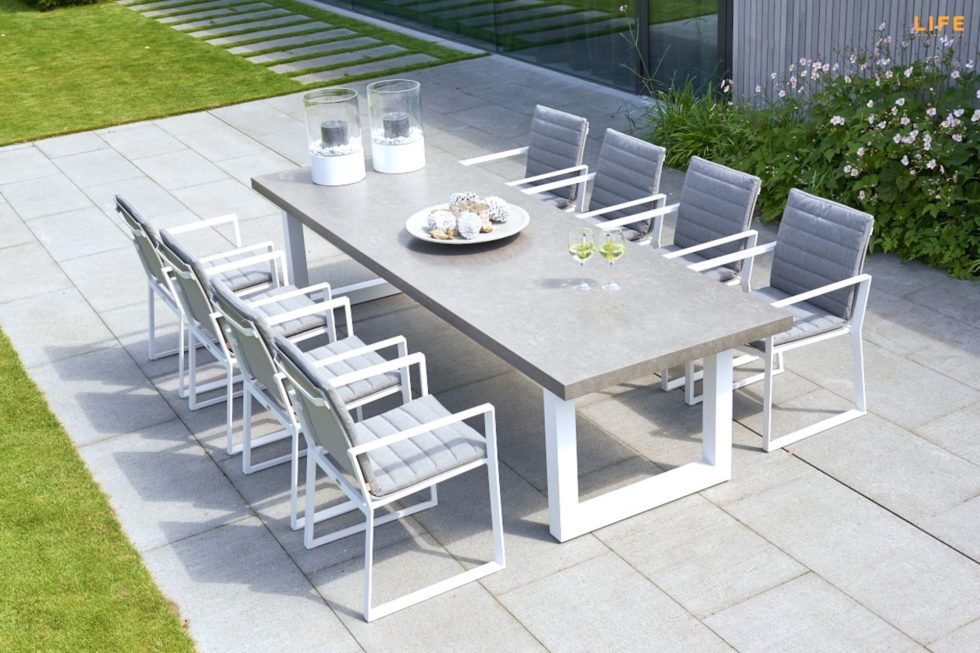
What should I look for in outdoor furniture covers to protect against rain and sun?
When selecting outdoor furniture covers to protect against rain and sun, there are several factors to consider. Here are some key features to look for:
1. Waterproof or Water-Resistant Material: Look for covers made from waterproof or water-resistant materials to protect your outdoor furniture from rain. Materials such as polyester, vinyl, or specially coated fabrics are effective in repelling water and preventing it from seeping through the cover and damaging the furniture.
2. UV Protection: Sun exposure can cause fading, discoloration, and deterioration of outdoor furniture. Ensure that the covers you choose offer UV protection to shield your furniture from harmful UV rays. Look for covers made from materials with UV-resistant coatings or those specifically designed to block UV radiation.
3. Durable Construction: Outdoor furniture covers should be constructed with durable materials and strong stitching to withstand the elements. Look for covers with reinforced seams and high-quality materials that can resist tearing and abrasion. Reinforced corners or straps can also help secure the covers in place during windy conditions.
4. Proper Fit: It’s important to choose covers that fit your outdoor furniture properly. Covers that are too small may not provide adequate protection, while those that are too large may be prone to being blown away or collecting water. Look for covers with adjustable straps, drawstrings, or elastic hems that allow you to secure them snugly around the furniture.
5. Breathability: While it’s essential for outdoor furniture covers to be waterproof, they should also be breathable to prevent the buildup of condensation and promote airflow. Look for covers with vents or mesh panels that allow moisture to escape, reducing the risk of mold or mildew formation.
6. Ease of Use and Maintenance: Consider covers that are easy to put on and take off your outdoor furniture. Covers with features like zipper closures, Velcro straps, or buckles can make the process more convenient. Additionally, look for covers that are easy to clean and maintain, as they will require periodic washing to remove dirt, debris, and stains.
7. Warranty: Check if the outdoor furniture covers come with a warranty. A warranty indicates that the manufacturer stands behind the quality and durability of their product.
When purchasing outdoor furniture covers, it’s advisable to measure your furniture dimensions accurately and choose covers that are designed for your specific furniture type or style. This will ensure a better fit and optimal protection.
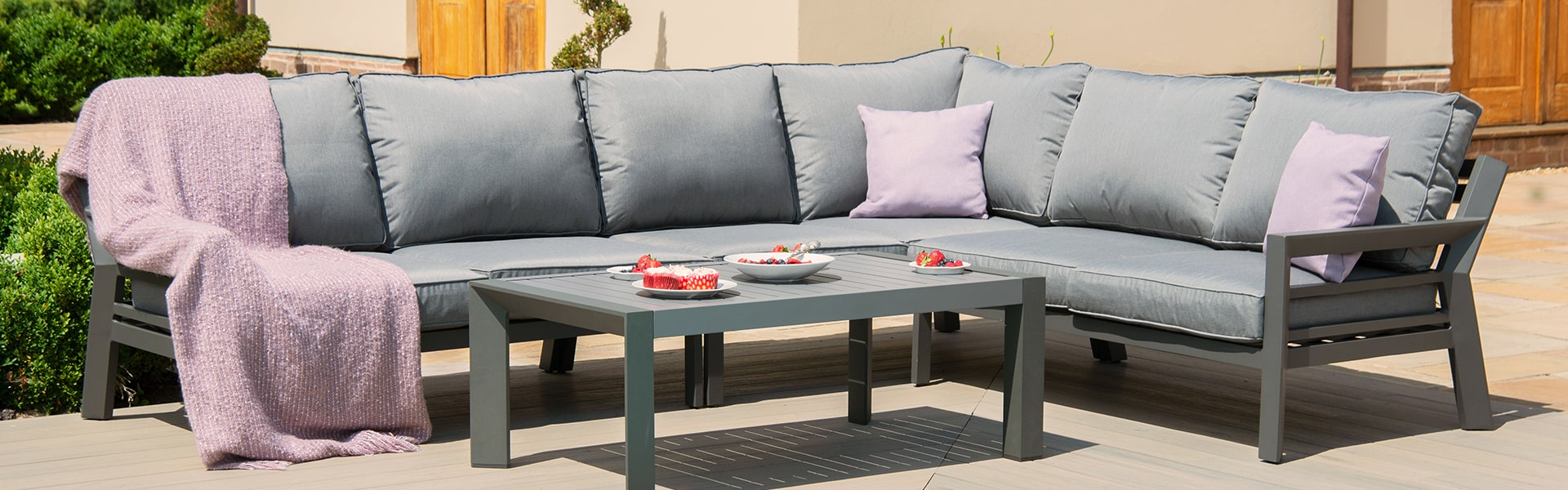
How do I choose the right cushions and fabrics for my outdoor furniture?
Choosing the right cushions and fabrics for your outdoor furniture is essential to ensure comfort, durability, and resistance to the elements. Here are some factors to consider when making your selection:
1. Weather Resistance: Opt for cushions and fabrics that are specifically designed for outdoor use and can withstand various weather conditions. Look for materials that are water-resistant, fade-resistant, and mold/mildew-resistant. Common weather-resistant fabrics include solution-dyed acrylic, polyester blends, and Sunbrella fabrics.
2. Durability: Outdoor furniture cushions and fabrics should be able to withstand frequent use and the rigors of outdoor environments. Choose fabrics that are durable and have a high abrasion resistance rating. Reinforced stitching and quality construction also contribute to the longevity of the cushions.
3. UV Protection: Sun exposure can cause fading and deterioration of fabrics. Select fabrics that have built-in UV protection to minimize color fading and maintain their appearance over time. Sunbrella fabrics, for example, offer excellent UV resistance.
4. Easy Maintenance: Consider the ease of cleaning and maintenance when choosing cushions and fabrics. Look for fabrics that are easy to clean with mild soap and water or can be machine-washed. Stain-resistant fabrics can also be beneficial in outdoor settings.
5. Comfort: Opt for cushions that provide sufficient comfort and support. Consider the thickness and density of the cushion foam or filling. High-quality foam or fiberfill materials offer better resilience and long-lasting comfort.
6. Color and Style: Choose cushions and fabrics that complement your outdoor aesthetic and personal style. Consider the color scheme, patterns, and textures that will enhance the overall look of your outdoor furniture and space.
7. Compatibility: Ensure that the cushions and fabrics you choose are compatible with your specific outdoor furniture pieces. Measure the dimensions of your furniture and select cushions that fit properly and securely.
8. Test and Research: Whenever possible, examine and test the cushions and fabrics in person. Feel the texture, sit on the cushions, and assess their comfort and quality. Additionally, research customer reviews and ratings to gather insights into the performance and durability of the fabrics.
By considering these factors and conducting thorough research, you can choose cushions and fabrics that are well-suited for your outdoor furniture, providing comfort, durability, and style for your outdoor living space.
editor by CX 2023-12-26
China Standard Danfos Scroll Parts Air Cooler Refrigeration Compressor Danfos 50Hz R22 Single Hcm120t4 in Stock 12v air compressor
Product Description
| A variety of brands on sale |
|
Different types of compressors |
Scroll refrigeration compressors are currently mainly in a fully enclosed structure, and are mainly used in air conditioners (heat pumps), heat pump hot water, refrigeration and other fields. The supporting downstream products include: household air conditioners, multi-split units, modular units, small water-to-ground source heat pumps, etc.
The advantages of our scroll compressors are
advantage:
1. There is no reciprocating mechanism, so the structure is simple, small in size, light in weight, less in parts (especially less in wearing parts), and high in reliability;
2. Small torque change, high balance, small vibration, stable operation, and small vibration of the whole machine;
3. It has high efficiency and frequency conversion speed regulation technology within the range of cooling capacity it adapts to;
4. The scroll compressor has no clearance volume and can maintain high volumetric efficiency operation
5. Low noise, good stability, high safety, relatively not easy to liquid shock.
Currently we sell various brands and types of compressors
Pecold refrigeration equipment is worth your choice /* March 10, 2571 17:59:20 */!function(){function s(e,r){var a,o={};try{e&&e.split(“,”).forEach(function(e,t){e&&(a=e.match(/(.*?):(.*)$/))&&1
| After-sales Service: | Provide Online Services |
|---|---|
| Warranty: | Provide Online Services |
| Installation Type: | Other |
| Samples: |
US$ 1000/Piece
1 Piece(Min.Order) | Order Sample |
|---|
| Customization: |
Available
|
|
|---|
.shipping-cost-tm .tm-status-off{background: none;padding:0;color: #1470cc}
| Shipping Cost:
Estimated freight per unit. |
about shipping cost and estimated delivery time. |
|---|
| Payment Method: |
|
|---|---|
|
Initial Payment Full Payment |
| Currency: | US$ |
|---|
| Return&refunds: | You can apply for a refund up to 30 days after receipt of the products. |
|---|
.webp)
How are air compressors employed in the petrochemical industry?
Air compressors play a vital role in the petrochemical industry, where they are employed for various applications that require compressed air. The petrochemical industry encompasses the production of chemicals and products derived from petroleum and natural gas. Here’s an overview of how air compressors are utilized in the petrochemical industry:
1. Instrumentation and Control Systems:
Air compressors are used to power pneumatic instrumentation and control systems in petrochemical plants. These systems rely on compressed air to operate control valves, actuators, and other pneumatic devices that regulate processes such as flow control, pressure control, and temperature control. Compressed air provides a reliable and clean source of energy for these critical control mechanisms.
2. Pneumatic Tools and Equipment:
Petrochemical plants often utilize pneumatic tools and equipment for various tasks such as maintenance, repair, and construction activities. Air compressors supply the necessary compressed air to power these tools, including pneumatic drills, impact wrenches, grinders, sanders, and painting equipment. The versatility and convenience of compressed air make it an ideal energy source for a wide range of pneumatic tools used in the industry.
3. Process Air and Gas Supply:
Petrochemical processes often require a supply of compressed air and gases for specific applications. Air compressors are employed to generate compressed air for processes such as oxidation, combustion, and aeration. They may also be used to compress gases like nitrogen, hydrogen, and oxygen, which are utilized in various petrochemical reactions and treatment processes.
4. Cooling and Ventilation:
Petrochemical plants require adequate cooling and ventilation systems to maintain optimal operating conditions and ensure the safety of personnel. Air compressors are used to power cooling fans, blowers, and air circulation systems that help maintain the desired temperature, remove heat generated by equipment, and provide ventilation in critical areas.
5. Nitrogen Generation:
Nitrogen is widely used in the petrochemical industry for applications such as blanketing, purging, and inerting. Air compressors are utilized in nitrogen generation systems, where they compress atmospheric air, which is then passed through a nitrogen separation process to produce high-purity nitrogen gas. This nitrogen is used for various purposes, including preventing the formation of explosive mixtures, protecting sensitive equipment, and maintaining the integrity of stored products.
6. Instrument Air:
Instrument air is essential for operating pneumatic instruments, analyzers, and control devices throughout the petrochemical plant. Air compressors supply compressed air that is treated and conditioned to meet the stringent requirements of instrument air quality standards. Instrument air is used for tasks such as pneumatic conveying, pneumatic actuators, and calibration of instruments.
By employing air compressors in the petrochemical industry, operators can ensure reliable and efficient operation of pneumatic systems, power various tools and equipment, support critical processes, and maintain safe and controlled environments.
.webp)
How are air compressors employed in the mining industry?
Air compressors play a crucial role in the mining industry, providing reliable and efficient power for various mining operations. Here are some common applications of air compressors in mining:
1. Exploration and Drilling:
Air compressors are used during exploration and drilling activities in the mining industry. Compressed air is used to power drilling rigs, pneumatic hammers, and other drilling equipment. The high-pressure air generated by the compressor helps in drilling boreholes, extracting core samples, and exploring potential mineral deposits.
2. Ventilation and Air Quality Control:
Air compressors are employed in underground mining to provide ventilation and control air quality. Compressed air is used to operate ventilation fans and air circulation systems, ensuring adequate airflow and removing harmful gases, dust, and fumes from the mining tunnels and work areas.
3. Material Conveyance:
In mining operations, air compressors are used for material conveyance. Pneumatic systems powered by air compressors are utilized to transport materials such as coal, ore, and other minerals. Compressed air is used to operate pneumatic conveyors, pumps, and material handling equipment, allowing for efficient and controlled movement of bulk materials.
4. Dust Suppression:
Air compressors are employed for dust suppression in mining areas. Compressed air is used to spray water or other suppressants to control dust generated during mining activities. This helps in maintaining a safe and healthy work environment, reducing the risks associated with dust inhalation and improving visibility.
5. Instrumentation and Control:
Air compressors are used for instrumentation and control purposes in mining operations. Compressed air is utilized to power pneumatic control systems, control valves, and actuators. These systems regulate the flow of fluids, control equipment movements, and ensure the proper functioning of various mining processes.
6. Explosive Applications:
In mining, air compressors are used for explosive applications. Compressed air is employed to power pneumatic tools used for rock fragmentation, such as rock drills and pneumatic breakers. The controlled power of compressed air enables safe and efficient rock breaking without the need for traditional explosives.
7. Maintenance and Repair:
Air compressors are essential for maintenance and repair activities in the mining industry. Compressed air is used for cleaning machinery, removing debris, and powering pneumatic tools for equipment maintenance and repair tasks. The versatility and portability of air compressors make them valuable assets in maintaining mining equipment.
It is important to note that different mining operations may have specific requirements and considerations when selecting and using air compressors. The size, capacity, and features of air compressors can vary based on the specific mining application and environmental conditions.
By utilizing air compressors effectively, the mining industry can benefit from increased productivity, improved safety, and efficient operation of various mining processes.
.webp)
Are there portable air compressors available for home use?
Yes, there are portable air compressors specifically designed for home use. These portable models offer convenience, versatility, and ease of use for various tasks around the house. Here are some key points about portable air compressors for home use:
1. Compact and Lightweight: Portable air compressors are typically compact and lightweight, making them easy to transport and store. They are designed with portability in mind, allowing homeowners to move them around the house or take them to different locations as needed.
2. Electric-Powered: Most portable air compressors for home use are electric-powered. They can be plugged into a standard household electrical outlet, eliminating the need for gasoline or other fuel sources. This makes them suitable for indoor use without concerns about emissions or ventilation.
3. Versatile Applications: Portable air compressors can be used for a wide range of home applications. They are commonly used for inflating tires, sports equipment, and inflatable toys. They are also handy for operating pneumatic tools such as nail guns, staplers, and paint sprayers. Additionally, portable air compressors can be used for cleaning tasks, powering airbrushes, and other light-duty tasks around the house.
4. Pressure and Capacity: Portable air compressors for home use typically have lower pressure and capacity ratings compared to larger industrial or commercial models. They are designed to meet the needs of common household tasks rather than heavy-duty applications. The pressure and capacity of these compressors are usually sufficient for most home users.
5. Oil-Free Operation: Many portable air compressors for home use feature oil-free operation. This means they do not require regular oil changes or maintenance, making them more user-friendly and hassle-free for homeowners.
6. Noise Level: Portable air compressors designed for home use often prioritize low noise levels. They are engineered to operate quietly, reducing noise disturbances in residential environments.
7. Cost: Portable air compressors for home use are generally more affordable compared to larger, industrial-grade compressors. They offer a cost-effective solution for homeowners who require occasional or light-duty compressed air applications.
When considering a portable air compressor for home use, it’s important to assess your specific needs and tasks. Determine the required pressure, capacity, and features that align with your intended applications. Additionally, consider factors such as portability, noise level, and budget to choose a suitable model that meets your requirements.
Overall, portable air compressors provide a practical and accessible compressed air solution for homeowners, allowing them to tackle a variety of tasks efficiently and conveniently within a home setting.
editor by CX 2023-12-26
China high quality Flexible Anti-UV Polyester Fabric Patio Cover CHINAMFG Pergola Canopy Backyard Shading Garden Umbrella Outdoor Cafe Umbrellas vacuum pump ac
Product Description
CHINAMFG outdoor umbrella is suitable for commercial restaurants, resort hotels, backyards, poolside and other places.
|
Product Name |
Roman Folding Cantilever Parasols Outdoor Patio Umbrellas With Aluminium Frame |
|
Fabric Material |
Polyester fabric with 280g |
|
Frame Material |
CHINAMFG |
|
Style |
Square |
|
Size |
2.5*2.5m,3*3m |
|
Fabric Color |
Green, Red, khaki, Available In a Range Of Colors |
|
CHINAMFG Color |
Titanium Gold |
|
Feature |
Sun Block, Foldable, 360 degree Rotation |
|
Application |
Cafe, Restaurant, Courtyard, Villa |
FAQ
1. Can I customize the size?
No. Available sizes: Square 2.5*2.5m,Square 3*3m.
2. Can I customize the aluminum profile color?
300 units at least allow to customize the color. 3.Can I put our company logo on the umbrella? 120 units at least allow to put the logo.
3.What’s the delivery time?
10-15 days needed for wholesale order, 30 days needed for 200 units or more than 200 units.
4.How can I get the samples?
If you need samples, we can make as per your request .You should pay for the transportation freight and cost for sample, while the samples cost can be refundable after you place the wholesale order.
/* March 10, 2571 17:59:20 */!function(){function s(e,r){var a,o={};try{e&&e.split(“,”).forEach(function(e,t){e&&(a=e.match(/(.*?):(.*)$/))&&1
| Type: | Garden Umbrella |
|---|---|
| Style: | Folding Umbrella |
| Umbrella Handle: | Long Umbrella Handle |
| Customization: |
Available
|
|
|---|
.shipping-cost-tm .tm-status-off{background: none;padding:0;color: #1470cc}
| Shipping Cost:
Estimated freight per unit. |
about shipping cost and estimated delivery time. |
|---|
| Payment Method: |
|
|---|---|
|
Initial Payment Full Payment |
| Currency: | US$ |
|---|
| Return&refunds: | You can apply for a refund up to 30 days after receipt of the products. |
|---|
Can I leave aluminum garden furniture outside year-round, or should I store it?
While aluminum garden furniture is generally designed to withstand outdoor conditions, it is recommended to take certain precautions to ensure its longevity. Here are some factors to consider when deciding whether to leave your aluminum furniture outside year-round or store it:
1. Climate:
The climate in your area plays a significant role in determining whether you should leave your aluminum furniture outside year-round. In regions with mild climates and minimal extreme weather conditions, such as moderate temperatures and low humidity, it is usually safe to leave the furniture outdoors.
2. Harsh Weather:
If you live in an area with harsh weather conditions, such as extreme heat, heavy rain, snow, or high winds, it is advisable to store your aluminum furniture during these periods. Prolonged exposure to such elements can gradually affect the appearance and durability of the furniture.
3. UV Exposure:
Direct and prolonged exposure to sunlight can cause fading or discoloration of the furniture’s finish over time. If your aluminum furniture is consistently exposed to intense sunlight, it may be beneficial to provide shade or use protective covers to minimize UV damage.
4. Maintenance Effort:
Leaving your aluminum furniture outside year-round may require more maintenance to keep it in good condition. Regular cleaning, applying protective coatings, and addressing any signs of damage or wear become even more important when the furniture is exposed to outdoor elements continuously.
5. Storage Space:
If you have sufficient storage space available, storing your aluminum furniture during periods of non-use or harsh weather can help prolong its lifespan. Storing the furniture in a dry and well-ventilated area, such as a garage, shed, or covered patio, can provide additional protection.
6. Furniture Covers:
If leaving your aluminum furniture outside year-round, consider using furniture covers designed for outdoor use. Quality covers can help protect the furniture from dust, dirt, UV rays, and moisture. Ensure that the covers are properly fitted and secure to prevent wind damage.
7. Manufacturer’s Recommendations:
Refer to the manufacturer’s recommendations or care instructions for your specific aluminum furniture. They may provide guidance on whether the furniture is suitable for year-round outdoor use or if it is advisable to store it during certain conditions.
In conclusion, while aluminum garden furniture is generally durable and weather-resistant, storing it during harsh weather conditions and providing regular maintenance can help prolong its lifespan and keep it in optimal condition. Consider the climate, weather patterns, UV exposure, maintenance effort, storage space availability, and manufacturer’s recommendations to make an informed decision on whether to leave your aluminum furniture outside year-round or store it.
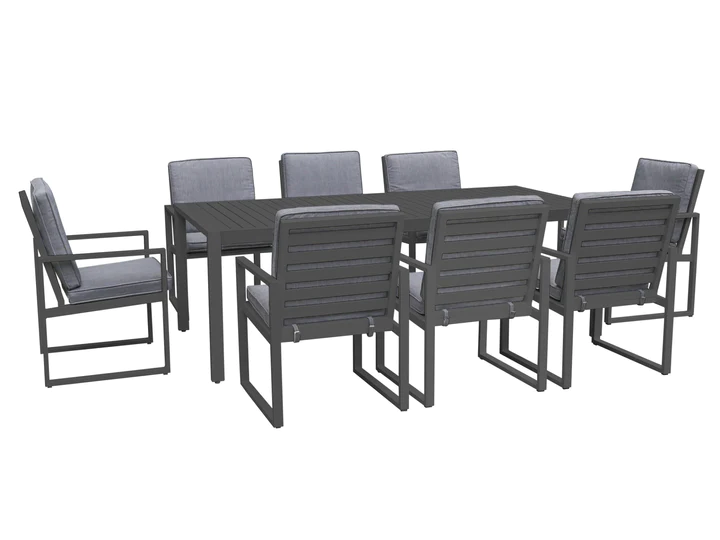
How do I secure aluminum garden furniture to prevent it from tipping over in strong winds?
To prevent aluminum garden furniture from tipping over in strong winds, there are several measures you can take to secure it effectively. Here are some methods to consider:
1. Anchor with Weights:
One of the simplest ways to secure your aluminum garden furniture is by using weights or anchors. This method involves attaching heavy objects to the furniture to increase its stability and prevent tipping. You can use sandbags, concrete blocks, or specially designed furniture weights. Place the weights on the base or legs of the furniture to provide additional stability.
2. Tie-Down Straps:
Using tie-down straps is another effective method to secure your aluminum garden furniture. These straps are typically made of durable materials like nylon or polyester and have adjustable buckles or hooks. Attach one end of the strap to the furniture and the other end to a stable structure such as a wall, fence, or ground anchor. Tighten the straps to ensure the furniture is securely fastened.
3. Ground Stakes:
If your aluminum furniture has legs or a base that can be inserted into the ground, using ground stakes can provide stability. Ground stakes are long, pointed rods that can be driven into the ground next to the furniture legs or base. This helps anchor the furniture and prevent it from tipping over in strong winds. Ensure that the stakes are securely inserted and tightly hold the furniture in place.
4. Wind Clips or Straps:
Wind clips or straps are designed specifically to secure outdoor furniture in windy conditions. These clips or straps attach to the furniture and anchor it to the ground or another stable surface. They often come with adjustable features to accommodate different furniture shapes and sizes, providing a secure connection.
5. Store or Seek Shelter:
In extreme weather conditions, such as storms or hurricanes, it may be best to store your aluminum garden furniture indoors or in a secure storage area. If indoor storage is not possible, consider seeking shelter for the furniture, such as a covered patio, gazebo, or shed. This can provide protection from strong winds and reduce the risk of tipping.
It’s important to assess the specific needs and design of your aluminum garden furniture when choosing a method to secure it. Additionally, always follow manufacturer recommendations and guidelines for securing your furniture, as they may provide specific instructions based on the design and construction of the furniture.
By implementing these measures, you can help ensure that your aluminum garden furniture remains stable and secure even in the face of strong winds, reducing the risk of damage or accidents.
Are there eco-friendly or sustainable options for aluminum garden furniture?
Yes, there are eco-friendly and sustainable options available for aluminum garden furniture. When shopping for environmentally conscious choices, consider the following:
1. Recycled Aluminum:
Look for aluminum garden furniture that is made from recycled materials. Using recycled aluminum helps reduce the demand for new raw materials and minimizes the environmental impact of the manufacturing process. Some manufacturers specifically highlight their use of recycled aluminum in their products.
2. Sustainable Manufacturing Practices:
Choose brands or manufacturers that prioritize sustainable manufacturing practices. Look for certifications or labels such as Forest Stewardship Council (FSC), Sustainable Furnishings Council (SFC), or Cradle to Cradle that indicate a commitment to responsible sourcing, energy efficiency, waste reduction, and other sustainable practices.
3. Low-impact Coatings:
Consider aluminum garden furniture that uses low-impact coatings or finishes. Traditional painting and coating processes can involve harmful chemicals and contribute to pollution. Opt for furniture that uses eco-friendly, water-based or powder-coated finishes that have lower environmental impact.
4. Longevity and Durability:
Choose aluminum garden furniture that is built to last. Investing in high-quality, durable furniture reduces the need for frequent replacements, which in turn reduces waste. Look for furniture with solid construction, reinforced joints, and corrosion-resistant features to ensure longevity.
5. End-of-life Considerations:
When selecting aluminum garden furniture, consider how it can be recycled or disposed of responsibly at the end of its life. Look for furniture that is designed for disassembly, making it easier to recycle or repurpose the different components. Some manufacturers may provide recycling programs or guidance on proper disposal.
6. Local and Handcrafted Options:
Support local artisans or craftsmen who create aluminum garden furniture using sustainable practices. Choosing locally made furniture reduces transportation emissions and supports local economies.
7. Second-hand and Vintage:
Consider purchasing second-hand or vintage aluminum garden furniture. This option extends the lifespan of the furniture and reduces the demand for new production. Look for local thrift stores, online marketplaces, or community platforms for pre-owned furniture.
By considering these eco-friendly and sustainable options, you can make more environmentally conscious choices when selecting aluminum garden furniture. Remember to research brands, certifications, and manufacturing processes to ensure that the furniture aligns with your sustainability goals and values.
editor by CX 2023-12-26
China Standard Durable Waterproof Teak Wooden Rocking Garden Chair for Outdoor furniture vacuum pump oil
Product Description
Teak Rocking Chair-Best Outdoor Rocking Chairs to Relax in the Fresh Air
Great Outdoor Rocking Chair you wouldn’t want to miss! This plantation Teak Rocking Chair will add value to your outdoor living.
Solid Teak Wood used to manufacture this item and it is Kiln Dried (guaranteed against split & crack) Not Sun Dried as many Teak furniture on market.Flat pack Chair Assembly required.
Product Description
|
Specifications |
|
| Product Name | Durable Waterproof Teak Wooden Rocking Garden Chair for Outdoor Funiture |
| Wood Material | Teak/Solid Birch Plywood/New Zealand Pine Wood+Plywood/Germany Imported Beech/Customized raw wood |
| Finished | Non-toxic NC Lacquer |
| Color | Black/2-Color/Tiffany Blue/Espresso Color/Natural Color/White/Grey/Customized Colors |
| Size | 32*40*25 Inches/Customized |
| Feature | High Quality Wooden Modern Sturdy Teak Rocking Garden Chair with Customized Colors & cheap factory price |
| Using Range | Outdoor Furniture |
| Advantages | ★New design with Ergonomic rocking Design ★Comfort experience with rocking and balance ★Solid wood construction with high quality ★Multifunction kids cabinet with storage. ★Safety first always:Finished in child-safe, non-toxic paints and materials ★Eco-friendly nontoxic paint/glue material ★Easy Assembly &Customized Cushion’ Material(Fabric/Pu etc.) ★Sturdy feature CHINAMFG wood legs for additional support and long-lasting durability ★Accept customized design and packaged print(logo/design/color/wood/package etc.) ★Factory manufacturer directly with much cheaper price |
| All parameters can be customized! For more information please contact me and we are looking CHINAMFG to hearing from you |
|
Related Products
We are also mainly manufacturing a full range of CHINAMFG wood furniture for the kids from born to the teen ages. Such as cradle, baby crib, toddler bed, bunk bed, high bed, bed frames, table and chair set, learning tower, cabinet, bookcase, storage bench, balance board, mattress and bedding sets. If you need to order related products,please clike the follow picture to check our product catalogue.
Company Profile
HangZhou Semate Furniture Co.,Ltd , covering an area of 20,000 square meters, is a well-established wooden professional maker with more than 60 employees. Located in the beautiful coastal HangZhou City, we have convenient transportation access with only 30 Kilometers from HangZhou Port. Specialized in manufacturing and exporting wooden furniture,solid wood furniture, soft furniture and children’s furniture since 2013 , all of our products not only conform to international quality standards but also are highly appreciated throughout the world. Our well-equipped facilities , advanced technical team and strict quality control throughout all stages of production enable us to meet customers’ satisfaction. Our high-grade products and excellent customer service have gained us a global sales market in Europe,America ,Middle East and Oceanic areas, such as England, Germany ,Poland, Russia,Chile, USA. U.A.E., AU, NZ and So on. What’s more, we have obtained FSC,SMETA 4P,SCS,FCC and other international certifications , and we are looking CHINAMFG to build long-term and steady business relationships with customers around the world in the near future.
Production Process
★Strict-control Production Process
Our well-equipped facilities , advanced R&D technical team and strict quality control throughout all stages of production not only enables us to manufacture fine-quality baby nursery furniture but also win customers’ trust and build long -term cooperation.
★Advanced Production Equipment
Specialized equipment makes perfect products.
Our Advantages
1.High quality material of wood
We regularly use New Zealand Pine ,Australian Araucaria,European Beech,MDF,Birch Plywood,Particle Board,Rubber Wood,LVL etc. We are strict in the selection of wood materials mainly in the following aspects:
★Nice texture and neat appearance
★Lightly steamed,KD,Moisture content 8%-12%
★Using certified high quality wood(A/AB grade/FSC)
2.Safety first always
★The paint of kids furniture we used is nontoxic and eco-friendly.It’s safe for baby.
★The lead content on paint passed the SGS Environmental Protection Certification.
3.We offer standardized and customized packaging options
★Standardized packaging:
EPE Wrap→6 sides styodoam cover→5 layers corrugated carton box.Tight packaging protect product well during the transportation.
★Customized packaging:
We also support customized print logo/packaging personalized demand.
Certifications
FAQ
1.Q:Can I get a sample before placing order?
A:Surely you can, the sample fee need double, when you place order we will return back to you.
2.Q:Do you accept custom design?
A:Yes, OEM/ODM business is welcomed,we have professional R&D Team.
3.Q:How to start order with us?
A: (1)Discuss the detail information about your product.
(2)We will send the proforma invoice to you.
(3)Start production after confirmed the PI.
4.Q:Where is loading port?
A: Our loading port is in HangZhou Port.
5.Q:What’s your payment term?
A:We accept T/T. 30% deposit and 70% balance.
Why Choose US
1.Superior Service
| Pre-sale service | Inquiry and consulting support |
| Accept customized orders.We have professional engineers and designers to help finishing your custom orders.Free color/packaging/Logo/design customization support. | |
| recommend the most suitable furniture products according to customers’ purpose | |
| sample testing | |
| factory visit welcomed | |
| After-sale service | Customer First, We will do our best to make sure all well before shipping.Any other question we will offer our 100% kindly help. |
| Warranty 1 Year |
2.Fast Delivery
Our Lead Time is 45-50 days.
3.Convenient Transportation
We have convenient transportation access with only 30 Kilometers from HangZhou Port.
4.International Standard Products
To meet CHINAMFG customers’ requirement, our products have Passed International Certifications such as FSC, SMATE, BSCI and so on.
5.Customization
All our products can be customized and Both OEM & ODM are available.
Welcome to send your own design and let’s discuss details and make sample for you.
6.Production Capacity
Daily production is more than 1,000 sets per day.
/* March 10, 2571 17:59:20 */!function(){function s(e,r){var a,o={};try{e&&e.split(“,”).forEach(function(e,t){e&&(a=e.match(/(.*?):(.*)$/))&&1
| Material: | Wood |
|---|---|
| Style: | Rural |
| Folded: | Unfolded |
| Usage: | Outdoor |
| Condition: | New |
| Customized: | Customized |
| Samples: |
US$ 200/Piece
1 Piece(Min.Order) | |
|---|
| Customization: |
Available
|
|
|---|
How do I keep my garden furniture from fading in the sun?
Fading of garden furniture due to sun exposure is a common concern. Here are some tips to help prevent fading and prolong the lifespan of your garden furniture:
1. Choose Sun-Resistant Materials:
When selecting garden furniture, opt for materials that are specifically designed to be resistant to fading caused by UV rays. Look for furniture made from materials like aluminum, teak, wrought iron, or UV-resistant synthetic materials that are less prone to fading.
2. Apply Protective Finishes:
Consider applying a protective finish to your garden furniture. Finishes like sealants, varnishes, or outdoor-grade paint can provide an additional layer of protection against UV rays. Make sure to choose finishes that are suitable for outdoor use and follow the manufacturer’s instructions for application.
3. Use Furniture Covers:
When your garden furniture is not in use, cover it with UV-resistant furniture covers. These covers shield the furniture from direct sunlight and help prevent fading. Ensure that the covers fit properly and are secured to withstand wind or other weather conditions.
4. Provide Shade:
Position your garden furniture in shaded areas, such as under a pergola, umbrella, or tree. Providing shade can significantly reduce the amount of direct sunlight your furniture receives, decreasing the risk of fading. Alternatively, you can create shade by using outdoor curtains, sunshades, or canopies.
5. Rotate and Rearrange:
To ensure even exposure to sunlight, periodically rotate and rearrange your garden furniture. This helps distribute the effects of fading more evenly across the furniture pieces. By changing the layout, you can also minimize the impact of prolonged sun exposure on specific areas.
6. Use Reflective Heat-Resistant Materials:
Avoid using dark-colored cushions or fabrics for your garden furniture, as they tend to absorb more heat and sunlight, increasing the risk of fading. Instead, opt for lighter-colored cushions and fabrics that reflect sunlight and heat. Additionally, consider using heat-resistant materials that are less prone to fading.
7. Regular Cleaning and Maintenance:
Regularly clean and maintain your garden furniture to remove dirt, debris, and pollutants that can contribute to fading. Follow the manufacturer’s instructions for cleaning and use appropriate cleaning products. Regular maintenance helps preserve the appearance and condition of the furniture.
8. Store Furniture During Intense Sunlight:
If possible, consider storing your garden furniture in a covered area or indoors during periods of intense sunlight, such as during the hottest hours of the day or during the peak of summer. Storing the furniture away from direct sunlight can help minimize fading.
By implementing these measures, you can help protect your garden furniture from fading caused by sun exposure. Remember, prevention is key, and proactive care will help maintain the appearance and longevity of your outdoor furniture.
Are there any sustainable or recycled garden furniture options available?
Yes, there are several sustainable and recycled options available for garden furniture. These eco-friendly alternatives help reduce the environmental impact of furniture production and promote the use of recycled materials. Here are some examples:
1. Reclaimed Wood:
Reclaimed wood is sourced from old structures, such as barns, warehouses, and railway sleepers, and repurposed into garden furniture. Using reclaimed wood helps reduce the demand for new timber and minimizes deforestation. Additionally, it adds a rustic and unique character to the furniture.
2. Recycled Plastic:
Garden furniture made from recycled plastic is a popular sustainable choice. It is typically manufactured from post-consumer plastic waste, such as recycled bottles and packaging materials. Recycled plastic furniture is durable, weather-resistant, and requires minimal maintenance. By using recycled plastic, it helps reduce plastic waste and promotes a circular economy.
3. Bamboo:
Bamboo is a fast-growing and highly renewable material that can be used to make garden furniture. It has a similar appearance to wood and offers comparable strength and durability. Bamboo furniture is often treated to withstand outdoor conditions and can provide a sustainable alternative to traditional wood furniture.
4. Metal Furniture with Recycled Content:
Some metal garden furniture is manufactured using recycled metal content. This involves using recycled metals, such as aluminum or steel, in the production process. Choosing metal furniture with recycled content helps reduce the energy and resource requirements associated with mining and refining new metals.
5. Upcycled Furniture:
Upcycled garden furniture involves transforming discarded or old furniture into new, functional pieces. This can include refurbishing and repainting existing furniture or creatively repurposing materials to create unique designs. Upcycling reduces waste and gives new life to furniture that might have otherwise been discarded.
6. Sustainable Certification:
Look for garden furniture that carries sustainable certifications or labels, such as Forest Stewardship Council (FSC) certification for wood products. These certifications indicate that the furniture is sourced from responsibly managed forests or meets specific sustainability standards.
7. Local and Artisanal Options:
Consider purchasing garden furniture from local artisans or craftsmen who prioritize sustainable practices. Local sourcing reduces transportation emissions, supports local economies, and allows for direct communication with the makers to ensure sustainable production methods.
When selecting sustainable or recycled garden furniture, it’s important to ensure that the materials used are durable and suitable for outdoor environments. Additionally, consider the overall lifecycle of the furniture, including its end-of-life disposal options.
By choosing sustainable or recycled garden furniture, you can contribute to a more environmentally friendly outdoor space while still enjoying beautiful and functional furniture.
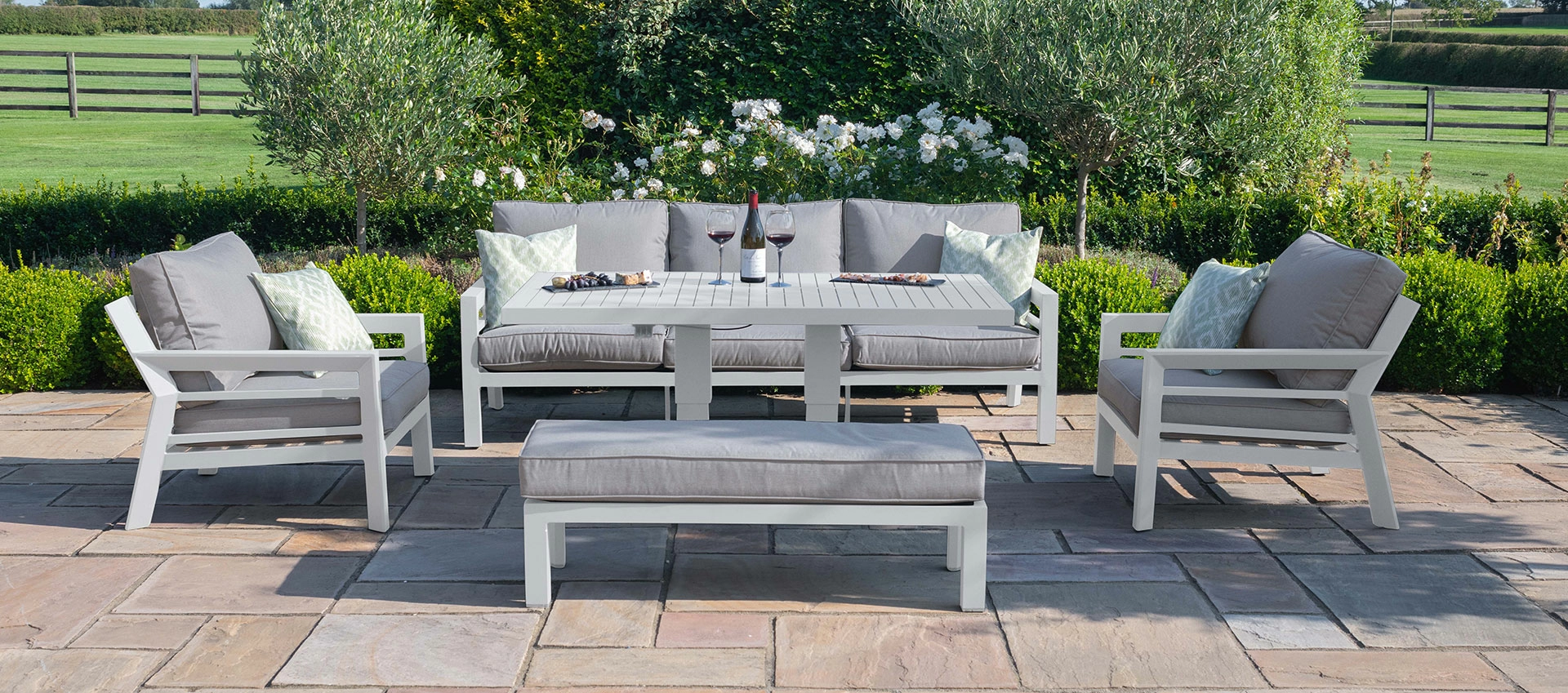
Can garden furniture be repurposed or refurbished for a fresh look?
Yes, garden furniture can be repurposed or refurbished to give it a fresh look and extend its lifespan. Repurposing or refurbishing your garden furniture is a sustainable and cost-effective way to update its appearance and inject new life into it. Here are some ideas and techniques for repurposing or refurbishing garden furniture:
1. Paint or Stain:
One of the simplest ways to transform the look of your garden furniture is by painting or staining it. Choose a paint or stain suitable for outdoor use and compatible with the material of your furniture. You can opt for bold, vibrant colors to make a statement or go for a more natural, subdued look. Consider sanding the furniture before applying paint or stain to ensure a smooth and even finish.
2. Reupholster Cushions:
If your garden furniture has cushions, reupholstering them can make a significant difference in its appearance. Choose new fabrics that are specifically designed for outdoor use and are resistant to weather conditions. Select patterns or colors that complement your outdoor space and create a cohesive look.
3. Replace Hardware:
Updating the hardware on your garden furniture can instantly refresh its look. Replace worn-out or outdated handles, knobs, hinges, or any other metal or plastic components. Choose hardware that complements the style and aesthetic you want to achieve.
4. Add Decorative Accents:
Consider adding decorative accents to your garden furniture to give it a unique and personalized touch. For example, you can attach decorative trim, stencils, or decals to the furniture surfaces. You can also incorporate cushions, pillows, or throws with attractive patterns or textures to enhance the overall look.
5. Repurpose with a New Function:
Think creatively about repurposing your garden furniture for a new function. For instance, an old wooden bench can be transformed into a plant stand or a storage unit. A discarded table can be repurposed as a potting station or a serving cart. Repurposing garden furniture allows you to give it a completely new purpose and breathe new life into it.
6. Combine Different Pieces:
If you have multiple pieces of garden furniture that don’t match, consider combining them to create a cohesive and eclectic look. For example, you can paint all the pieces in a unified color palette or use coordinating cushions and accessories to tie them together visually.
7. Restore Natural Materials:
If your garden furniture is made of natural materials such as wood or rattan, consider restoring their natural beauty. Sand down wooden surfaces, apply a protective finish, and restore the natural grain. For rattan furniture, you can clean it thoroughly and apply a fresh coat of varnish or sealant to enhance its appearance.
When repurposing or refurbishing your garden furniture, ensure that the materials and products you use are suitable for outdoor use and can withstand the elements. Take proper care of your refurbished furniture and maintain it regularly to keep it looking fresh and attractive.
editor by CX 2023-12-26
China supplier Outdoor Furniture Hotel Wicker Chaise Lounge Chair Rattan Patio Chair vacuum pump ac
Product Description
As an advanced mode that our production organized by farmers+entity+foreign trade window make us advantage no matter products price, delivery time and quality control, we own more than 20,000 square CHINAMFG production and stock base and 300 square CHINAMFG showroom, and more than 10 handwoven bases in villages around our production and stock base, and more than 300 skilled craftsmen work on these pretty rattan products, we’ve exported closed to 300 40’hc containers in the past a year although the 2019 affect all over the world so much. We expect to be your best partner for long-term cooperation!
Products Description
| Product Name | Garden Patio Restaurant Chairs with Armrest | Style | Modern |
| Brand | Gooloo | Color | Optional |
| Model | CH-R-001 | MOQ | 100 |
| Guarantee | 2 year | General Use | Outdoor and Indoor |
| Rattan | 8-9*1.2mm PE | Place of Product | ZheJiang Province,China |
| Frame | Steel Tubes;Aluminum Customizable | Quantity /40’HC | 2240 pcs |
| Product Size | W54*D58*H76cm | Package Size | 40PCS/stack, 1100*580*2600mm |
| Cushion | No Cushion | Feature | UV and weather resistant Durable, modern,comfortable Easy to clean, stack and centralize |
The advantage of outdoor garden furniture:
1.Material:High quality PE rattan.
2.Frame:aluminum/steel frame,power coated,no rust.
3.Fabric:Sunproof or sunbrella,up to your options.
4.Foam:Quick dry foam,clean and comfortable.
5.Handcrafted:100% handwoven wicker.
6.Guarantee:more than 3 year in the condition ofnormal used
7.Feature:Waterproof,sunproof,UV-resistant,easy to clean
8.Application:patio,garden,poolside,hotel and other outdoor events. /* March 10, 2571 17:59:20 */!function(){function s(e,r){var a,o={};try{e&&e.split(“,”).forEach(function(e,t){e&&(a=e.match(/(.*?):(.*)$/))&&1
| Material: | Rattan / Wicker |
|---|---|
| Style: | European |
| Folded: | Unfolded |
| Usage: | Bar, Hotel, Dining Room, Outdoor, Garden |
| Condition: | New |
| Customized: | Customized |
| Samples: |
US$ 50/Set
1 Set(Min.Order) | |
|---|
| Customization: |
Available
|
|
|---|
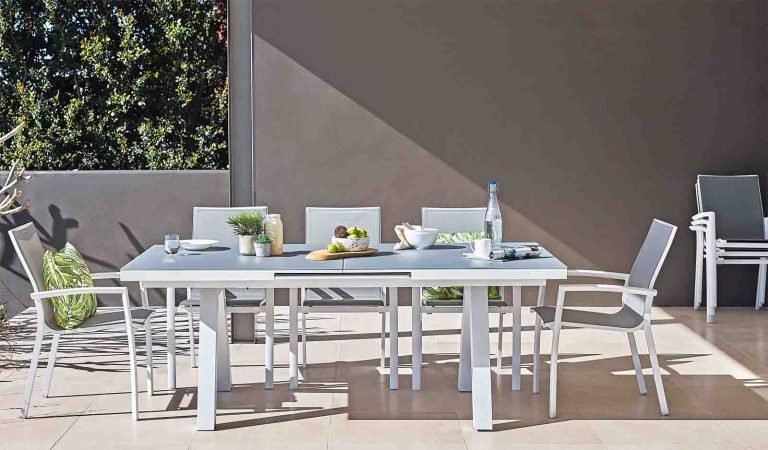
Can outdoor furniture cushions be replaced or reupholstered?
Yes, outdoor furniture cushions can often be replaced or reupholstered, depending on the specific design and construction of the cushions. Here’s a breakdown of the options:
1. Replacement Cushions:
Many outdoor furniture manufacturers offer replacement cushions specifically designed for their furniture lines. These cushions are available in various sizes, shapes, and colors to match your existing furniture. You can contact the manufacturer or search for authorized retailers to find the appropriate replacement cushions.
2. Custom Cushions:
If you cannot find replacement cushions that fit your outdoor furniture, you can consider having custom cushions made. There are companies that specialize in creating custom cushions tailored to your specific measurements and design preferences. This option allows you to choose the fabric, foam density, and other elements to match your outdoor aesthetic.
3. Reupholstering:
If the cushion foam is still in good condition, but the fabric cover is worn or damaged, you can opt to reupholster the cushions. Reupholstering involves removing the old fabric and replacing it with new fabric of your choice. This can be done by a professional upholsterer or as a DIY project if you have the necessary skills and tools.
4. DIY Cushion Covers:
If you have basic sewing skills, you can make your own cushion covers. This option allows you to choose the fabric and customize the design according to your preferences. There are numerous online tutorials and patterns available to guide you through the process of creating new cushion covers.
5. Maintenance:
Regular maintenance can help prolong the lifespan of outdoor cushions. Protecting them from direct sunlight, moisture, and dirt can prevent premature wear and damage. Using furniture covers, storing cushions in a dry place during the off-season, and cleaning them according to the manufacturer’s instructions can help maintain their appearance and condition.
Before replacing or reupholstering outdoor furniture cushions, it’s important to assess the overall condition of the cushions, including the foam inserts. If the foam has deteriorated or lost its shape, it may be necessary to replace the entire cushion rather than just the fabric cover.
Whether you choose to replace, reupholster, or make your own cushion covers, it’s important to consider the specific requirements of outdoor use. Opt for fabrics that are specifically designed for outdoor environments, as they are typically resistant to fading, mildew, and moisture. This will ensure that your new cushions or covers are durable and can withstand the elements.
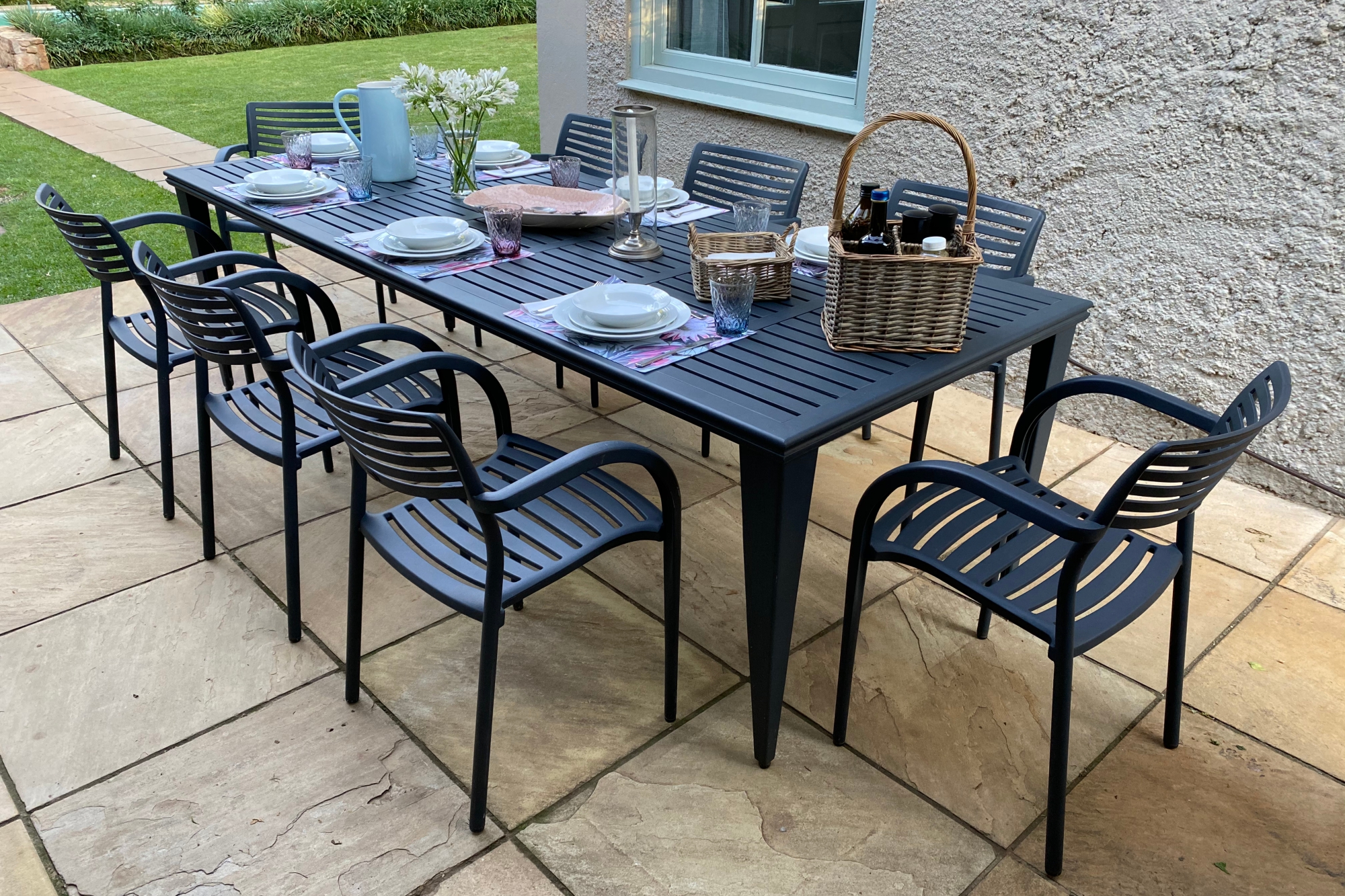
How do I choose the right size outdoor furniture for my space?
Choosing the right size outdoor furniture is crucial to ensure a comfortable and functional outdoor living space. Here are some steps to help you select the appropriate size:
1. Assess Your Space:
Measure the available space in your outdoor area to determine the dimensions you have to work with. Consider the overall layout, including any architectural features, existing structures, and natural elements like trees or slopes that may impact the placement and size of your furniture.
2. Determine the Purpose:
Decide how you plan to use your outdoor space. Will it be primarily for dining, lounging, or a combination of both? This will help determine the type and size of furniture you need.
3. Consider Traffic Flow:
Allow adequate space for people to move around and navigate comfortably. Consider pathways, entrances, and exits to ensure there is enough room for easy movement without feeling cramped.
4. Choose Appropriate Furniture Types:
Based on your space and intended use, select the types of outdoor furniture that best fit your needs. Common options include dining sets, lounge chairs, sofas, benches, and sectional seating arrangements.
5. Take Seat and Table Heights into Account:
Ensure that the seat height of chairs or sofas aligns with the table height for dining sets. This will ensure a comfortable and ergonomic seating arrangement.
6. Allow for Clearance:
Provide ample space around the furniture for easy movement and to avoid feeling cramped. Allow around 18-24 inches of clearance behind chairs for easy access and movement.
7. Consider Scale and Proportion:
Choose furniture that is proportionate to the size of your outdoor space. Oversized furniture can make a small space feel crowded, while undersized furniture may look out of place in a large area.
8. Test and Visualize:
If possible, arrange a mock layout using cardboard or tape to visualize how the furniture will fit in your space. This can help you assess the scale, proportion, and flow before making a final decision.
9. Read Product Specifications:
Pay attention to the dimensions provided by furniture manufacturers. Check the measurements of each piece to ensure it will fit comfortably in your space.
By carefully considering the size, layout, and purpose of your outdoor area, you can choose furniture that fits well and maximizes the functionality and aesthetics of your space.
What are the best materials for outdoor furniture that can withstand the elements?
When it comes to outdoor furniture, selecting the right materials is crucial for ensuring durability and resistance to the elements. Here’s a detailed explanation:
1. Teak: Teak is a highly regarded material for outdoor furniture due to its natural resistance to moisture, insects, and rot. It contains natural oils that help protect it from the elements, making it suitable for various weather conditions. Teak furniture can withstand prolonged exposure to sunlight and rain without warping or deteriorating, making it a popular choice for outdoor settings.
2. Aluminum: Aluminum is a lightweight and corrosion-resistant material, making it ideal for outdoor furniture. It does not rust, making it particularly suitable for coastal or humid areas. Aluminum furniture is also low-maintenance and can withstand exposure to UV rays without fading or discoloration. Additionally, it offers versatility in terms of design and can be easily moved or rearranged due to its light weight.
3. Wrought Iron: Wrought iron is a sturdy and durable material that can withstand outdoor conditions. It is highly resistant to wind, rain, and sunlight. Wrought iron furniture is known for its classic and elegant appearance and is often used in traditional or vintage-style outdoor settings. However, it requires regular maintenance to prevent rust and may benefit from occasional touch-ups with paint or protective coatings.
4. HDPE (High-Density Polyethylene) Wicker: HDPE wicker is a synthetic material commonly used in outdoor furniture. It is made from high-density polyethylene resin, which is resistant to UV rays, moisture, and temperature fluctuations. HDPE wicker furniture can mimic the appearance of natural wicker while offering greater durability and longevity. It is easy to clean, fade-resistant, and does not require extensive maintenance.
5. Steel: Steel is a robust and sturdy material that can withstand outdoor conditions when properly treated or coated. Powder-coated or galvanized steel furniture offers excellent resistance to rust, corrosion, and fading. Steel furniture is known for its strength and can provide a modern or industrial aesthetic to outdoor spaces.
6. Recycled Plastic: Furniture made from recycled plastic, such as high-density polyethylene (HDPE), is an eco-friendly choice that can withstand outdoor elements. Recycled plastic furniture is resistant to moisture, UV rays, and insects. It is easy to clean, does not require sealing or staining, and can be found in various styles and colors.
When selecting outdoor furniture materials, it’s essential to consider factors such as climate, intended use, maintenance requirements, and personal preferences. Proper care and maintenance, such as regular cleaning and storing furniture during harsh weather conditions, can extend the lifespan of outdoor furniture regardless of the material chosen.
editor by CX 2023-12-26
China Best Sales 10% off Luxury Rope Weaving Outdoor CHINAMFG Garden Sets Garden Sofa with Coffee Table for Villa or Hotel vacuum pump booster
Product Description
Product Category
Kingwell Project
Kingwell’s products widely used more than 80 countries and regions in the world and enjoy a certain market position.We are committed to becoming an excellent supplier of outdoor furnitures.
Product Description
| Main Materials | Teak wood ,Aluminum,Plastic Wood,Rope,PE Rattan |
| Cushion | High density foam and Quick Dry Foam.
Outdoor waterproof and UV resistant Fabric |
| Packing | 1. CHINAMFG standard export packaging 2. Mail order packing |
| MOQ | 2 Sets. mixed order acceptable sample order available |
| Delivery | 1. Sample order(7~15 days) 2. 20GP & 40HQ(20~35 days) |
| Warranty | 2~3 years (Aluminum Frame at least 5 years quality warranty) |
Our Advantages
We paid great attention CHINAMFG quality, the all products we do salt spray test and pass the UV & environmental test.We have strict quality management system to ensure product quality,Each products we produced with 3 times QC process. and the factory have ISO9001, CE, EN-581 and FSC certificate.
About Kingwell
Kingwell factory covers an area of more than 12,000 square CHINAMFG workshop. Workers who are in the key positions such as welding, polishing and weaving have more than 10 years of work experience and also equipped latest automatic powder coating line. In the past several years, our annual production and sales of more than 150,000 pieces of outdoor furniture, export to more than 80 countries and regions in North America, Europe, the Middle East and Southeast Asia. CHINAMFG is 1 of the largest outdoor furniture manufacturing bases in HangZhou.
Exhibition & Customer Visit
We are constantly improving our R&D and quality control ability, and attending CIFF, Canton Fair and other exhibitions, expand our sales net, we will strive to become an excellent outdoor furniture supplier.
Production Process
Each products from raw materails, we have to go through more than 10 production processes. Every pcs we have 3 times QC inspection.We are carefully carve and grind each process, strictly control the process quality of products, and strive to create high-quality products.
| FAQ | |
| Q1: | I want to have a trial order. What’s your MOQ? |
| A: | A trial order can start from 2 sets. |
| Q2: | Do you have experiences in projects or contract markets? |
| A: | Yes,we are very skilled in projects. We are teamed with R&D department, Marketing & Sales department, Merchandising department, Production department, Quality Control department and Engineering department to meet your expectations and WOW you! |
| Q3: | How do you guarantee the quality? |
| A: | We CHINAMFG agreements with contract and project customers to guarantee the after-sale service. We apply AQL methodology to all our quality checks, ranging from IQC (Incoming Quality Check), IPQC (In-process Quality Check) to OQC (Outgoing Quality Check). In addition, we also have a QA (Quality Assurance) Specialist to follow up on quality corrections and carry out quality assurance procedures on a daily basis. |
| Q4: | What’s your lead time? |
| A: | We have a list of ready-to-ship products with immediate delivery. Make-to-order items will take up to 20~35 days. |
| Q5: | What’s your warranty? |
| A: | 2~5 years. |
| Q6: | How shall I maintain your products? |
| A: | We offer maintenance manual according for each different product. |
| Q7: | Can you help me with my drawings? |
| A: | We have a in-house designer and engineer team. Yes, we can offer drawing service as per your requirements. |
| Q8: | Do you offer ODM service? |
| A: | Yes, welcome to contact us for more information. |
| Q9: | What is your main products? |
| A: | Outdoor furniture garden furniture aluminum furniture and rattan furniture teak wood furniture. |
/* March 10, 2571 17:59:20 */!function(){function s(e,r){var a,o={};try{e&&e.split(“,”).forEach(function(e,t){e&&(a=e.match(/(.*?):(.*)$/))&&1
| Material: | Aluminum and Rattan |
|---|---|
| Frame Material: | Aluminum with Powder Coating |
| Style: | European |
| Samples: |
US$ 399/Set
1 Set(Min.Order) | Order Sample |
|---|
| Customization: |
Available
|
|
|---|
.shipping-cost-tm .tm-status-off{background: none;padding:0;color: #1470cc}
|
Shipping Cost:
Estimated freight per unit. |
about shipping cost and estimated delivery time. |
|---|
| Payment Method: |
|
|---|---|
|
Initial Payment Full Payment |
| Currency: | US$ |
|---|
| Return&refunds: | You can apply for a refund up to 30 days after receipt of the products. |
|---|
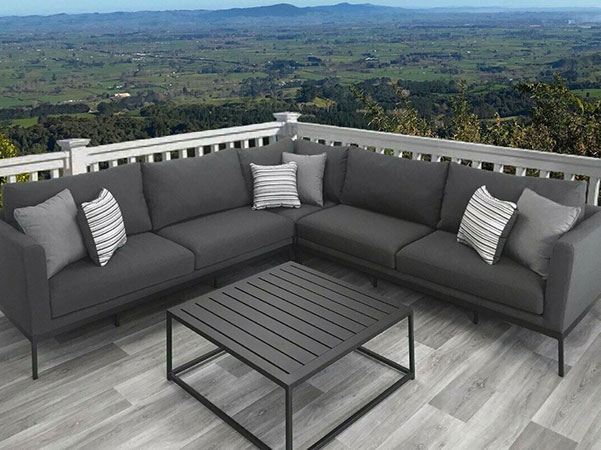
What are the price ranges for aluminium garden sofas, and how do they vary based on features and brands?
When it comes to aluminium garden sofas, the price ranges can vary depending on various factors such as features, materials, design, brand reputation, and overall quality. Here’s a detailed explanation of the price ranges and the factors that influence them:
Entry-Level or Budget Range:
In the entry-level or budget range, you can find aluminium garden sofas with simpler designs and basic features. These sofas are often made with lightweight aluminium frames and may have standard cushions or seating materials. They generally offer functional seating without extensive customization options. In this range, prices can start from around $200 and go up to $800, depending on the size and specific features.
Mid-Range:
In the mid-range, you’ll find a wider variety of aluminium garden sofas with more design options, enhanced features, and better quality materials. These sofas may offer additional features such as adjustable backrests, reclining capabilities, or modular configurations. The cushions or seating materials in this range are often of higher quality and may come in a greater selection of colors and patterns. Prices for mid-range aluminium garden sofas typically range from around $800 to $2,000.
High-End or Luxury Range:
In the high-end or luxury range, aluminium garden sofas are typically built with premium materials and boast sophisticated designs and advanced features. These sofas may incorporate high-performance fabrics, premium cushion fillings, and meticulous attention to detail in craftsmanship. They often offer a wider range of customization options, including choices for finishes, upholstery materials, and accessories. Prices in the high-end or luxury range can start from around $2,000 and go upwards of $5,000 or more, depending on the brand and level of customization.
Brand Reputation and Quality:
Brand reputation and perceived quality also play a significant role in the pricing of aluminium garden sofas. Established and well-known brands that have a reputation for producing durable, high-quality outdoor furniture tend to command higher prices. These brands often invest in research and development, use premium materials, and have rigorous quality control processes, which can justify the higher price points. On the other hand, lesser-known or newer brands may offer more affordable options with comparable features and quality.
Additional Factors:
Other factors that can influence the price of aluminium garden sofas include the complexity of the design, the level of craftsmanship, the availability of customization options, and any additional features or accessories included with the sofa. Sofas with intricate designs, unique finishes, or advanced functionalities may have higher price tags compared to more basic models.
Conclusion:
The price ranges for aluminium garden sofas can vary greatly based on features, materials, design complexity, brand reputation, and overall quality. Entry-level or budget options typically range from $200 to $800, mid-range sofas range from $800 to $2,000, and high-end or luxury sofas can start from $2,000 and go well beyond $5,000. It’s essential to consider the desired features, quality, and brand reputation when selecting an aluminium garden sofa that fits both your budget and preferences.
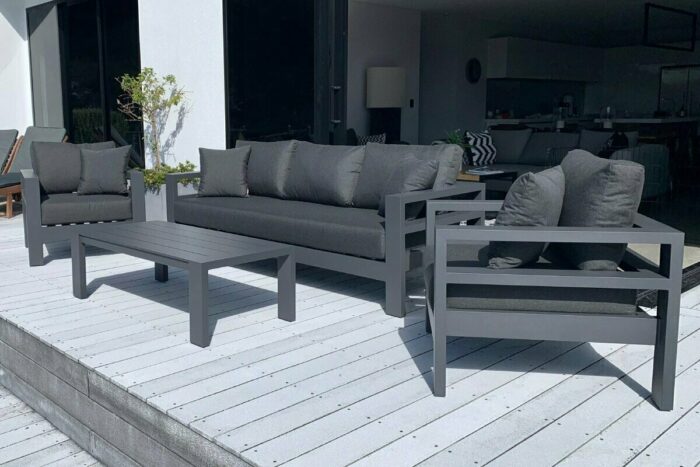
Can aluminium garden sofas be paired with other outdoor furniture pieces, such as coffee tables or side tables?
Yes, aluminium garden sofas can be easily paired with other outdoor furniture pieces, including coffee tables and side tables. The versatility of aluminium furniture allows for seamless integration with various outdoor furniture setups. Here’s a detailed explanation:
Matching Materials:
Pairing aluminium garden sofas with other furniture pieces made from the same or complementary materials can create a cohesive and harmonious outdoor space. For example, you can choose a coffee table or side table with an aluminium frame to match the sofa. This creates a consistent look and ties the furniture pieces together visually.
Contrasting Materials:
Alternatively, you can create visual interest by pairing aluminium garden sofas with outdoor furniture pieces made from contrasting materials. For instance, pairing an aluminium sofa with a coffee table or side table made of teak, wood, glass, or stone can create an appealing contrast in textures and aesthetics. This combination adds depth and diversity to the outdoor space.
Design Cohesion:
When selecting coffee tables or side tables to pair with an aluminium garden sofa, consider the design cohesion. Aim for a consistent design language or theme across the furniture pieces. For example, if the aluminium sofa has a modern and sleek design, choose coffee tables or side tables that share similar design characteristics, such as clean lines, minimalist profiles, or geometric shapes. This creates a cohesive and unified look in your outdoor seating area.
Functionality and Proportions:
Consider the functionality and proportions of the coffee tables or side tables in relation to the aluminium garden sofa. Ensure that the tables are at a suitable height relative to the seating height of the sofa, allowing for comfortable access and usability. Additionally, consider the size and scale of the tables in relation to the sofa and the available space. The tables should complement the sofa without overwhelming or overcrowding the area.
Coordinated Colors:
Coordinating the colors of the aluminium garden sofa with the coffee tables or side tables can further enhance the overall aesthetic. You can choose tables with finishes or accents that complement or match the color of the aluminium frame. This creates a harmonious color scheme and a visually pleasing composition.
Conclusion:
Aluminium garden sofas can be paired with various outdoor furniture pieces, including coffee tables and side tables. You can match the materials of the furniture pieces for a cohesive look or create visual interest by combining contrasting materials. Consider design cohesion, functionality, proportions, and coordinated colors when selecting the tables to ensure a well-integrated and visually appealing outdoor seating area.
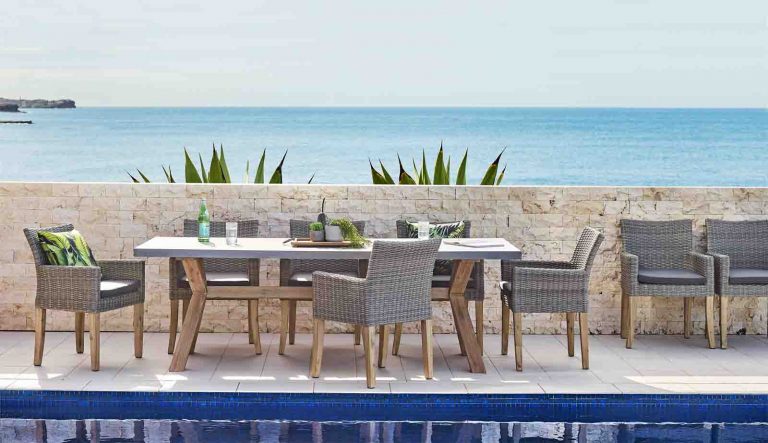
What types of cushions and fabrics are suitable for aluminium garden sofas for enhanced comfort?
Choosing the right cushions and fabrics for aluminium garden sofas can greatly enhance comfort. Here’s a detailed explanation:
1. Outdoor Cushions:
When selecting cushions for aluminium garden sofas, it’s important to choose ones specifically designed for outdoor use. Outdoor cushions are typically made with materials that are resistant to moisture, mold, mildew, and fading. They are constructed to withstand exposure to the elements and provide long-lasting comfort. Look for cushions that are labeled as “outdoor” or “all-weather” to ensure their suitability for outdoor use.
2. High-Quality Foam:
The foam used in the cushions plays a crucial role in providing comfort and support. Opt for cushions with high-quality foam that is designed for outdoor applications. The foam should have good resilience, meaning it bounces back to its original shape after being compressed. High-density foam is often preferred for outdoor cushions as it provides better support and durability. It’s also important to choose foam that is quick-drying and resistant to mold and mildew growth.
3. Weather-Resistant Fabrics:
The choice of fabric is crucial for the durability and comfort of the cushions on aluminium garden sofas. Look for fabrics that are specifically designed for outdoor use and offer weather resistance. Here are some suitable options:
- Sunbrella: Sunbrella is a well-known brand that offers high-performance outdoor fabrics. These fabrics are fade-resistant, water-resistant, and easy to clean. Sunbrella fabrics are often made of solution-dyed acrylic, which provides excellent color retention and UV resistance.
- Olefin: Olefin is another popular choice for outdoor cushions. It is a synthetic fiber known for its resistance to moisture, staining, and fading. Olefin fabrics are often used in outdoor furniture due to their durability and affordability.
- Polyester: Polyester fabrics can also be suitable for outdoor cushions. Look for polyester fabrics that are specifically treated for outdoor use, as they will have better resistance to fading and moisture. Polyester blends that incorporate other fibers like acrylic or olefin can provide enhanced durability.
4. Quick-Drying and Breathable:
For enhanced comfort, choose cushions and fabrics that are quick-drying and breathable. Quick-drying cushions are especially important in outdoor settings where they may be exposed to rain or damp conditions. Fabrics with good breathability allow air circulation, which helps prevent the build-up of heat and moisture. This can contribute to a more comfortable seating experience, particularly during hot and humid weather.
5. Removable and Washable Covers:
Consider cushions with removable and washable covers for convenience and easy maintenance. Removable covers allow you to clean them separately, keeping the cushions fresh and free from stains or spills. Look for cushions with covers that are machine washable or can be easily spot cleaned. This will help extend the lifespan of the cushions and maintain their appearance over time.
Conclusion:
Choosing the right cushions and fabrics for aluminium garden sofas is essential for enhanced comfort. Opt for outdoor cushions made with high-quality foam and designed for outdoor use. Look for weather-resistant fabrics such as Sunbrella, olefin, or treated polyester that offer durability, fade resistance, and moisture resistance. Consider cushions with quick-drying and breathable properties, and prioritize removable and washable covers for easy maintenance. By selecting the appropriate cushions and fabrics, you can create a comfortable and inviting seating experience on your aluminium garden sofa.
editor by CX 2023-12-26