Product Description
Product Description
Company Profile
HangZhou CHINAMFG AUTOMOBILE TECHNOLOGY CO.,LTD. was founded in 1996, which is located in HangZhou city. It
specializes in auto body repair system, auto lift and tire equipment with technology development, product development,
production, sales and service.
Our company has passed the ISO9001, and our products has got CE approved, now we have some national patents, which
show that we have a professional R&D Team. Our auto body repair system has been widely exported all over the world and
are widely used in various domestic and foreign repair shops and 4S vehicle maintenance stations. We has participated in
domestic professional equipment exhibitions and global body repairs in Las Vegas for several years. The Equipment
Exhibition (NACE) has won unanimous praise and has become a world-renowned professional equipment manufacturer.
Welcome you choose “JINTUO” brand, We will provide you with our heart.
FAQ
Q: How do you control your production quality?
A: We have an independent QC team. Our QC teams do sample inspection, part inspection during production and 100% final
inspection before delivery.
Q: Can I have a visit to your company before placing an order?
A: Sure, welcome to visit CHINAMFG AUTO TECH. There is a showroom in our factory, you can get all what you want about the
auto equipment.
Q: May I know the Lead time?
A:The lead time of our machine is 7 to 20 days.
Q: What is your payment terms?
We accept Alibaba Trade Assurance, TT, LC, etc.
Q: Can you provide the whole workshop automotive equipment?
A: Yes. we have 8 series of product contains nearly all kinds of automotive equipment. Also we have helped many customers
to open their body shop.
Q: How long is the warranty?
A: Our warranty period is 18 months,we will send free parts for replacement within it, and supply spare parts for lifetime.
Q: Are you a factory?
A: CHINAMFG has invested a factory with an area of 12,000 square meters, specializing in the production of various frame machine,
car lift,wheel alignment,car wash machine etc.
/* March 10, 2571 17:59:20 */!function(){function s(e,r){var a,o={};try{e&&e.split(“,”).forEach(function(e,t){e&&(a=e.match(/(.*?):(.*)$/))&&1
| After-sales Service: | Technical Support |
|---|---|
| Warranty: | 18 Months |
| Lubrication Style: | Lubricated |
| Cooling System: | Air Cooling |
| Cylinder Arrangement: | Balanced Opposed Arrangement |
| Cylinder Position: | Vertical |
| Samples: |
US$ 4599/Piece
1 Piece(Min.Order) | |
|---|
| Customization: |
Available
|
|
|---|
.webp)
How are air compressors utilized in pharmaceutical manufacturing?
Air compressors play a crucial role in pharmaceutical manufacturing, where they are utilized for various critical applications. The pharmaceutical industry requires a reliable source of clean and compressed air to ensure the safety, efficiency, and quality of its processes. Here’s an overview of how air compressors are utilized in pharmaceutical manufacturing:
1. Manufacturing Processes:
Air compressors are used in numerous manufacturing processes within the pharmaceutical industry. Compressed air is employed for tasks such as mixing and blending of ingredients, granulation, tablet compression, coating, and encapsulation of pharmaceutical products. The controlled delivery of compressed air facilitates precise and consistent manufacturing processes, ensuring the production of high-quality pharmaceuticals.
2. Instrumentation and Control Systems:
Pharmaceutical manufacturing facilities rely on compressed air for powering instrumentation and control systems. Compressed air is used to operate pneumatic valves, actuators, and control devices that regulate the flow of fluids, control temperature and pressure, and automate various processes. The clean and dry nature of compressed air makes it ideal for maintaining the integrity and accuracy of these critical control mechanisms.
3. Packaging and Filling:
Air compressors are employed in pharmaceutical packaging and filling processes. Compressed air is used to power machinery and equipment for bottle cleaning, labeling, capping, and sealing of pharmaceutical products. Compressed air provides the necessary force and precision for efficient and reliable packaging, ensuring product safety and compliance.
4. Cleanroom Environments:
Pharmaceutical manufacturing often takes place in controlled cleanroom environments to prevent contamination and maintain product quality. Air compressors are used to supply clean and filtered compressed air to these cleanrooms, ensuring a controlled and sterile environment for the production of pharmaceuticals. Compressed air is also utilized in cleanroom air showers and air curtains for personnel and material decontamination.
5. Laboratory Applications:
In pharmaceutical laboratories, air compressors are utilized for various applications. Compressed air is used in laboratory instruments, such as gas chromatographs, mass spectrometers, and other analytical equipment. It is also employed in clean air cabinets, fume hoods, and laminar flow benches, providing a controlled and clean environment for testing, analysis, and research.
6. HVAC Systems:
Air compressors are involved in heating, ventilation, and air conditioning (HVAC) systems in pharmaceutical manufacturing facilities. Compressed air powers the operation of HVAC controls, dampers, actuators, and air handling units, ensuring proper air circulation, temperature control, and environmental conditions in various manufacturing areas.
By utilizing air compressors in pharmaceutical manufacturing, the industry can maintain strict quality standards, enhance operational efficiency, and ensure the safety and efficacy of pharmaceutical products.
.webp)
Can air compressors be integrated into automated systems?
Yes, air compressors can be integrated into automated systems, providing a reliable and versatile source of compressed air for various applications. Here’s a detailed explanation of how air compressors can be integrated into automated systems:
Pneumatic Automation:
Air compressors are commonly used in pneumatic automation systems, where compressed air is utilized to power and control automated machinery and equipment. Pneumatic systems rely on the controlled release of compressed air to generate linear or rotational motion, actuating valves, cylinders, and other pneumatic components. By integrating an air compressor into the system, a continuous supply of compressed air is available to power the automation process.
Control and Regulation:
In automated systems, air compressors are often connected to a control and regulation system to manage the compressed air supply. This system includes components such as pressure regulators, valves, and sensors to monitor and adjust the air pressure, flow, and distribution. The control system ensures that the air compressor operates within the desired parameters and provides the appropriate amount of compressed air to different parts of the automated system as needed.
Sequential Operations:
Integration of air compressors into automated systems enables sequential operations to be carried out efficiently. Compressed air can be used to control the timing and sequencing of different pneumatic components, ensuring that the automated system performs tasks in the desired order and with precise timing. This is particularly useful in manufacturing and assembly processes where precise coordination of pneumatic actuators is required.
Energy Efficiency:
Air compressors can contribute to energy-efficient automation systems. By incorporating energy-saving features such as Variable Speed Drive (VSD) technology, air compressors can adjust their power output according to the demand, reducing energy consumption during periods of low activity. Additionally, efficient control and regulation systems help optimize the use of compressed air, minimizing waste and improving overall energy efficiency.
Monitoring and Diagnostics:
Integration of air compressors into automated systems often includes monitoring and diagnostic capabilities. Sensors and monitoring devices can be installed to collect data on parameters such as air pressure, temperature, and system performance. This information can be used for real-time monitoring, preventive maintenance, and troubleshooting, ensuring the reliable operation of the automated system.
When integrating air compressors into automated systems, it is crucial to consider factors such as the specific requirements of the automation process, the desired air pressure and volume, and the compatibility of the compressor with the control and regulation system. Consulting with experts in automation and compressed air systems can help in designing an efficient and reliable integration.
In summary, air compressors can be seamlessly integrated into automated systems, providing the necessary compressed air to power and control pneumatic components, enabling sequential operations, and contributing to energy-efficient automation processes.
.webp)
How does an air compressor work?
An air compressor works by using mechanical energy to compress and pressurize air, which is then stored and used for various applications. Here’s a detailed explanation of how an air compressor operates:
1. Air Intake: The air compressor draws in ambient air through an intake valve or filter. The air may pass through a series of filters to remove contaminants such as dust, dirt, and moisture, ensuring the compressed air is clean and suitable for its intended use.
2. Compression: The intake air enters a compression chamber, typically consisting of one or more pistons or a rotating screw mechanism. As the piston moves or the screw rotates, the volume of the compression chamber decreases, causing the air to be compressed. This compression process increases the pressure and reduces the volume of the air.
3. Pressure Build-Up: The compressed air is discharged into a storage tank or receiver where it is held at a high pressure. The tank allows the compressed air to be stored for later use and helps to maintain a consistent supply of compressed air, even during periods of high demand.
4. Pressure Regulation: Air compressors often have a pressure regulator that controls the output pressure of the compressed air. This allows the user to adjust the pressure according to the requirements of the specific application. The pressure regulator ensures that the compressed air is delivered at the desired pressure level.
5. Release and Use: When compressed air is needed, it is released from the storage tank or receiver through an outlet valve or connection. The compressed air can then be directed to the desired application, such as pneumatic tools, air-operated machinery, or other pneumatic systems.
6. Continued Operation: The air compressor continues to operate as long as there is a demand for compressed air. When the pressure in the storage tank drops below a certain level, the compressor automatically starts again to replenish the compressed air supply.
Additionally, air compressors may include various components such as pressure gauges, safety valves, lubrication systems, and cooling mechanisms to ensure efficient and reliable operation.
In summary, an air compressor works by drawing in air, compressing it to increase its pressure, storing the compressed air, regulating the output pressure, and releasing it for use in various applications. This process allows for the generation of a continuous supply of compressed air for a wide range of industrial, commercial, and personal uses.


editor by CX 2024-01-04
China OEM Industrial 190-1400 Cfm 2/4 Wheels Mining Trailer Portable Mobile Movable Road Diesel Engine Direct Driven Screw Type Rotary Air Compressor with Factory Price air compressor lowes
Product Description
| Model | Machine | Diesel Engine | |||||||
| Free Air Delivery | Normal Working | Dimensions | Weight | Manufacturer | Model | Rated | |||
| Pressure | (without towbar) | power | |||||||
| m3/min | CFM | bar(g) | psig | L*W*H(mm) | kg | KW | |||
| WZSCY-3.2/8 | 3.40 | 120 | 8 | 116 | 2263*1590*1543 | 900 | Xihu (West Lake) Dis. | YSD490G | 32 |
| WZSCY-4/13 | 4.00 | 141 | 13 | 189 | 2570*1860*1720 | 1200 | Cummins | QFS2.8-C60 | 45 |
| WZSCY-5/7 | 5.55 | 196 | 7 | 102 | 2570*1860*1720 | 1200 | QFS2.8-C60 | 45 | |
| WZSCY-5/10 | 5.00 | 177 | 10 | 145 | 2570*1860*1720 | 1200 | QFS2.8-C60 | 45 | |
| WZSCY-6/7 | 6.00 | 212 | 7 | 102 | 2570*1860*1720 | 1200 | QFS2.8-C60 | 45 | |
| WZSCY-5/13 | 5.31 | 187 | 13 | 189 | 3120*1860*1800 | 1500 | QSB3.9-C80-31 | 60 | |
| WZSCY- 7/7 | 7.00 | 247 | 7 | 102 | 3120*1860*1800 | 1500 | QSB3.9-C80-31 | 60 | |
| WZSCY-7/10 | 7.00 | 247 | 10 | 145 | 3120*1860*1800 | 1500 | QSB3.9-C80-31 | 60 | |
| WZSCY-7/13 | 7.00 | 247 | 13 | 189 | 3360*2571*2050 | 1700 | QSB3.9-C100-31 | 74 | |
| WZSCY-10/8 | 10.00 | 353 | 8 | 116 | 3360*2571*2050 | 1700 | QSB3.9-C130-31 | 74 | |
| WZSCY-9/13 | 9.00 | 318 | 13 | 189 | 3360*2571*2050 | 1700 | QSB3.9-C130-31 | 96 | |
| WZSCY-10/10 | 10.00 | 353 | 10 | 145 | 3360*2571*2050 | 1700 | QSB3.9-C130-31 | 96 | |
| WZSCY-12/7 | 12.11 | 428 | 7 | 102 | 3360*2571*2050 | 1700 | QSB3.9-C130-31 | 96 | |
| WZSCY-8/16 | 8.01 | 283 | 16 | 232 | 3155*2110*2295 | 2050 | QSB5.9-C150-31 | 113 | |
| WZSCY-9/15 | 9.00 | 318 | 15 | 218 | 3155*2110*2295 | 2050 | QSB5.9-C150-31 | 113 | |
| WZSCY-10/13 | 10.02 | 354 | 13 | 189 | 3155*2110*2295 | 2050 | QSB5.9-C150-31 | 113 | |
| WZSCY-11/10 | 11.00 | 388 | 10 | 145 | 3155*2110*2295 | 2050 | QSB5.9-C150-31 | 113 | |
| WZSCY-15/8 | 15.00 | 530 | 8 | 116 | 3155*2110*2295 | 2050 | QSB5.9-C150-31 | 113 | |
| WZSCY-12/13 | 12.00 | 424 | 13 | 189 | 3388*1760*2620 | 3600 | QSB5.9-C180-31 | 132 | |
| WZSCY-14/12 | 14.00 | 494 | 12 | 174 | 3388*1760*2620 | 3600 | QSB5.9-C180-31 | 132 | |
| WZSCY-15/10 | 15.19 | 536 | 10 | 145 | 3388*1760*2620 | 3600 | QSB5.9-C180-31 | 132 | |
| WZSCY-17/8 | 17.00 | 600 | 8 | 116 | 3388*1760*2620 | 3600 | QSB5.9-C180-31 | 132 | |
| WZSCY18/7 | 18.00 | 636 | 7 | 102 | 3388*1760*2620 | 3600 | QSB5.9-C180-31 | 132 | |
| WZSCY-13/18 | 13.55 | 478 | 18 | 261 | 3400*1770*2660 | 4000 | QSC8.3-C215-30 | 160 | |
| WZSCY-13/20 | 13.00 | 459 | 20 | 290 | 3400*1770*2660 | 4000 | QSC8.3-C215-30 | 160 | |
| WZSCY-15/16 | 15.00 | 530 | 16 | 232 | 3400*1770*2660 | 4000 | QSC8.3-C215-30 | 160 | |
| WZSCY-17/13 | 17.00 | 600 | 13 | 189 | 3400*1770*2660 | 4000 | QSC8.3-C215-30 | 160 | |
| WZSCY-18/10 | 18.00 | 636 | 10 | 145 | 3400*1770*2660 | 4000 | QSC8.3-C215-30 | 160 | |
| WZSCY-23/8 | 23.00 | 812 | 8 | 116 | 3400*1770*2660 | 4000 | QSC8.3-C215-30 | 160 | |
| WZSCY-15/18 | 15.00 | 530 | 18 | 261 | 3400*1770*2660 | 4000 | QSC8.3-C260-30 | 194 | |
| WZSCY-17/14 | 17.66 | 624 | 14 | 203 | 3400*1770*2660 | 4000 | QSC8.3-C260-30 | 194 | |
| WZSCY-20/13 | 20.67 | 730 | 13 | 189 | 3400*1770*2660 | 4000 | QSC8.3-C260-30 | 194 | |
| WZSCY-22/10 | 22.21 | 784 | 10 | 145 | 3400*1770*2660 | 4000 | QSC8.3-C260-30 | 194 | |
| WZSCY-24/8 | 24.00 | 847 | 8 | 116 | 3400*1770*2660 | 4000 | QSC8.3-C260-30 | 194 | |
| WZSCY-18/18 | 18.28 | 645 | 18 | 261 | 3780*1980*2685 | 4400 | QSL8.9-C325-30 | 239 | |
| WZSCY-19/14 | 19.75 | 697 | 14 | 203 | 3780*1980*2685 | 4400 | QSL8.9-C325-30 | 239 | |
| WZSCY-20/16 | 20.18 | 713 | 16 | 232 | 3780*1980*2685 | 4400 | QSL8.9-C325-30 | 239 | |
| WZSCY-21/15 | 21.00 | 742 | 15 | 218 | 3780*1980*2685 | 4400 | QSL8.9-C325-30 | 239 | |
| WZSCY-23/13 | 23.00 | 812 | 13 | 189 | 3780*1980*2685 | 4400 | QSL8.9-C325-30 | 239 | |
| WZSCY-27/10 | 27.00 | 953 | 10 | 145 | 3780*1980*2685 | 4400 | QSL8.9-C325-30 | 239 | |
| WZSCY-28/8 | 28.00 | 989 | 8 | 116 | 3780*1980*2685 | 4400 | QSL8.9-C325-30 | 239 | |
| WZSCY-22/20 | 22.00 | 777 | 20 | 290 | 3960*2160*2905 | 5500 | QSL8.9-C360-30 | 264 | |
| WZSCY-23/15 | 23.00 | 812 | 15 | 218 | 3960*2160*2905 | 5500 | QSL8.9-C360-30 | 264 | |
| WZSCY-25/13 | 25.00 | 883 | 13 | 189 | 3960*2160*2905 | 5500 | QSL8.9-C360-30 | 264 | |
| WZSCY-26/12 | 26.00 | 918 | 12 | 174 | 3960*2160*2905 | 5500 | QSL8.9-C360-30 | 264 | |
| WZSCY-28/10 | 28.00 | 989 | 10 | 145 | 3960*2160*2905 | 5500 | QSL8.9-C360-30 | 264 | |
| WZSCY-32/10 | 32.25 | 1139 | 10 | 145 | 3960*2160*2905 | 5500 | QSL8.9-C360-30 | 264 | |
| WZSCY-33/8 | 33.00 | 1165 | 8 | 116 | 3960*2160*2905 | 5500 | QSL8.9-C360-30 | 264 | |
| WZSCY-36/7 | 36.00 | 1271 | 7 | 102 | 3960*2160*2905 | 5500 | QSL8.9-C360-30 | 264 | |
| WZSCY-26/25 | 26.00 | 918 | 25 | 363 | 4700*2100*2900 | 4800 | QSZ13-C550 | 410 | |
| WZSCY-34/25 | 34.00 | 1200 | 25 | 363 | 4700*2100*2900 | 6800 | QSZ13-C550 | 410 | |
| WZSCY-45/10 | 46.38 | 1638 | 10 | 145 | 4715*2160*3200 | 7000 | QSZ13-C550 | 410 | |
| WZSCY-33/35 | 33.00 | 1165 | 35 | 508 | 5000*2200*2900 | 7200 | KTA19-P700 | 522 | |
| WZSCY-39/25 | 39.00 | 1377 | 25 | 363 | 5000*2200*2900 | 7200 | KTA19-P700 | 522 | |
| Note: Skid-mounted type is available. | |||||||||
Wan CHINAMFG Certification
Wan CHINAMFG Exhibition
FAQ
1. OEM/ODM, or customer’ s logo printed is available?
Yes, OEM/ODM, customer’s logo is welcomed.
2. Delivery date?
Usually 5-25 working days after receiving deposit, specific delivery date based on order quantity.
3. What’s your payment terms?
Regularly doing 30% deposit and 70% balance by T/T, Western Union, Paypal, other payment terms also can be discussed based on our cooperation.
4. How to control your quality?
We have professional QC team, control the quality during the mass production and inspect the products before shipping.
5. If we don’ t have shipping forwarder in China , would you do this for us?
We can offer you best shipping line to ensure you can get the goods timely at best price.
6. I never come to China before , can you be my guide in China?
Sure , I’m glad to be your guide because our company directly located in ZheJiang , where is the most famous city in China, if you want to come China then we are happy to provide you one-stop service, such as booking ticket, picking up at the airport, booking hotel, accompany visiting factory. It gonna make you an unforgettable memory.
MARKETING NETWORK
/* March 10, 2571 17:59:20 */!function(){function s(e,r){var a,o={};try{e&&e.split(“,”).forEach(function(e,t){e&&(a=e.match(/(.*?):(.*)$/))&&1
| After-sales Service: | Video Technical Support |
|---|---|
| Warranty: | Unit 1 Year, Air End 2 Years |
| Lubrication Style: | Oil-less |
| Customization: |
Available
|
|
|---|
.shipping-cost-tm .tm-status-off{background: none;padding:0;color: #1470cc}
|
Shipping Cost:
Estimated freight per unit. |
about shipping cost and estimated delivery time. |
|---|
| Payment Method: |
|
|---|---|
|
Initial Payment Full Payment |
| Currency: | US$ |
|---|
| Return&refunds: | You can apply for a refund up to 30 days after receipt of the products. |
|---|
.webp)
Can air compressors be used for shipbuilding and maritime applications?
Air compressors are widely used in shipbuilding and maritime applications for a variety of tasks and operations. The maritime industry relies on compressed air for numerous essential functions. Here’s an overview of how air compressors are employed in shipbuilding and maritime applications:
1. Pneumatic Tools and Equipment:
Air compressors are extensively used to power pneumatic tools and equipment in shipbuilding and maritime operations. Pneumatic tools such as impact wrenches, drills, grinders, sanders, and chipping hammers require compressed air to function. The versatility and power provided by compressed air make it an ideal energy source for heavy-duty tasks, maintenance, and construction activities in shipyards and onboard vessels.
2. Painting and Surface Preparation:
Air compressors play a crucial role in painting and surface preparation during shipbuilding and maintenance. Compressed air is used to power air spray guns, sandblasting equipment, and other surface preparation tools. Compressed air provides the force necessary for efficient and uniform application of paints, coatings, and protective finishes, ensuring the durability and aesthetics of ship surfaces.
3. Pneumatic Actuation and Controls:
Air compressors are employed in pneumatic actuation and control systems onboard ships. Compressed air is used to operate pneumatic valves, actuators, and control devices that regulate the flow of fluids, control propulsion systems, and manage various shipboard processes. Pneumatic control systems offer reliability and safety advantages in maritime applications.
4. Air Start Systems:
In large marine engines, air compressors are used in air start systems. Compressed air is utilized to initiate the combustion process in the engine cylinders. The compressed air is injected into the cylinders to turn the engine’s crankshaft, enabling the ignition of fuel and starting the engine. Air start systems are commonly found in ship propulsion systems and power generation plants onboard vessels.
5. Pneumatic Conveying and Material Handling:
In shipbuilding and maritime operations, compressed air is used for pneumatic conveying and material handling. Compressed air is utilized to transport bulk materials, such as cement, sand, and grain, through pipelines or hoses. Pneumatic conveying systems enable efficient and controlled transfer of materials, facilitating construction, cargo loading, and unloading processes.
6. Air Conditioning and Ventilation:
Air compressors are involved in air conditioning and ventilation systems onboard ships. Compressed air powers air conditioning units, ventilation fans, and blowers, ensuring proper air circulation, cooling, and temperature control in various ship compartments, cabins, and machinery spaces. Compressed air-driven systems contribute to the comfort, safety, and operational efficiency of maritime environments.
These are just a few examples of how air compressors are utilized in shipbuilding and maritime applications. Compressed air’s versatility, reliability, and convenience make it an indispensable energy source for various tasks and systems in the maritime industry.
.webp)
How are air compressors employed in the mining industry?
Air compressors play a crucial role in the mining industry, providing reliable and efficient power for various mining operations. Here are some common applications of air compressors in mining:
1. Exploration and Drilling:
Air compressors are used during exploration and drilling activities in the mining industry. Compressed air is used to power drilling rigs, pneumatic hammers, and other drilling equipment. The high-pressure air generated by the compressor helps in drilling boreholes, extracting core samples, and exploring potential mineral deposits.
2. Ventilation and Air Quality Control:
Air compressors are employed in underground mining to provide ventilation and control air quality. Compressed air is used to operate ventilation fans and air circulation systems, ensuring adequate airflow and removing harmful gases, dust, and fumes from the mining tunnels and work areas.
3. Material Conveyance:
In mining operations, air compressors are used for material conveyance. Pneumatic systems powered by air compressors are utilized to transport materials such as coal, ore, and other minerals. Compressed air is used to operate pneumatic conveyors, pumps, and material handling equipment, allowing for efficient and controlled movement of bulk materials.
4. Dust Suppression:
Air compressors are employed for dust suppression in mining areas. Compressed air is used to spray water or other suppressants to control dust generated during mining activities. This helps in maintaining a safe and healthy work environment, reducing the risks associated with dust inhalation and improving visibility.
5. Instrumentation and Control:
Air compressors are used for instrumentation and control purposes in mining operations. Compressed air is utilized to power pneumatic control systems, control valves, and actuators. These systems regulate the flow of fluids, control equipment movements, and ensure the proper functioning of various mining processes.
6. Explosive Applications:
In mining, air compressors are used for explosive applications. Compressed air is employed to power pneumatic tools used for rock fragmentation, such as rock drills and pneumatic breakers. The controlled power of compressed air enables safe and efficient rock breaking without the need for traditional explosives.
7. Maintenance and Repair:
Air compressors are essential for maintenance and repair activities in the mining industry. Compressed air is used for cleaning machinery, removing debris, and powering pneumatic tools for equipment maintenance and repair tasks. The versatility and portability of air compressors make them valuable assets in maintaining mining equipment.
It is important to note that different mining operations may have specific requirements and considerations when selecting and using air compressors. The size, capacity, and features of air compressors can vary based on the specific mining application and environmental conditions.
By utilizing air compressors effectively, the mining industry can benefit from increased productivity, improved safety, and efficient operation of various mining processes.
.webp)
What are the key components of an air compressor system?
An air compressor system consists of several key components that work together to generate and deliver compressed air. Here are the essential components:
1. Compressor Pump: The compressor pump is the heart of the air compressor system. It draws in ambient air and compresses it to a higher pressure. The pump can be reciprocating (piston-driven) or rotary (screw, vane, or scroll-driven) based on the compressor type.
2. Electric Motor or Engine: The electric motor or engine is responsible for driving the compressor pump. It provides the power necessary to operate the pump and compress the air. The motor or engine’s size and power rating depend on the compressor’s capacity and intended application.
3. Air Intake: The air intake is the opening or inlet through which ambient air enters the compressor system. It is equipped with filters to remove dust, debris, and contaminants from the incoming air, ensuring clean air supply and protecting the compressor components.
4. Compression Chamber: The compression chamber is where the actual compression of air takes place. In reciprocating compressors, it consists of cylinders, pistons, valves, and connecting rods. In rotary compressors, it comprises intermeshing screws, vanes, or scrolls that compress the air as they rotate.
5. Receiver Tank: The receiver tank, also known as an air tank, is a storage vessel that holds the compressed air. It acts as a buffer, allowing for a steady supply of compressed air during peak demand periods and reducing pressure fluctuations. The tank also helps separate moisture from the compressed air, allowing it to condense and be drained out.
6. Pressure Relief Valve: The pressure relief valve is a safety device that protects the compressor system from over-pressurization. It automatically releases excess pressure if it exceeds a predetermined limit, preventing damage to the system and ensuring safe operation.
7. Pressure Switch: The pressure switch is an electrical component that controls the operation of the compressor motor. It monitors the pressure in the system and automatically starts or stops the motor based on pre-set pressure levels. This helps maintain the desired pressure range in the receiver tank.
8. Regulator: The regulator is a device used to control and adjust the output pressure of the compressed air. It allows users to set the desired pressure level for specific applications, ensuring a consistent and safe supply of compressed air.
9. Air Outlet and Distribution System: The air outlet is the point where the compressed air is delivered from the compressor system. It is connected to a distribution system comprising pipes, hoses, fittings, and valves that carry the compressed air to the desired application points or tools.
10. Filters, Dryers, and Lubricators: Depending on the application and air quality requirements, additional components such as filters, dryers, and lubricators may be included in the system. Filters remove contaminants, dryers remove moisture from the compressed air, and lubricators provide lubrication to pneumatic tools and equipment.
These are the key components of an air compressor system. Each component plays a crucial role in the generation, storage, and delivery of compressed air for various industrial, commercial, and personal applications.
editor by CX 2024-01-04
China Standard Air Compressor 0.4MPa 28.2m3/Min 110kw 150HP 4bar Tr110wl Low Pressure Oilfree Screw Air Compressor arb air compressor
Product Description
Lead Time
Product Description
TR110WL 0.4Mpa 4Bar 28.2m3/min 110KW screw type energy-saving low pressure oil free air compressor
Specifications
| Model | Maximum working Pressure | FAD | Motor Power | Noise | Pipe diameters of cooling water in and out | Quantity of | Quantity of lubricating water | Dimension | Weight | Air outlet | |||||||||||||||||||||||||||||||||||||||||||||||||||||||||||||||||||||||||||||||||||||||||||||||||||||||||||||||||||||||||||||||||||||||||||||||||||||||||||||||||||||||||||||||||||||||||||||||||||||||||||||||||||||||||||||||||||||||||||||||||||||||||||||||||||||||||||||||||||||||||||||||||||
| cooling water | |||||||||||||||||||||||||||||||||||||||||||||||||||||||||||||||||||||||||||||||||||||||||||||||||||||||||||||||||||||||||||||||||||||||||||||||||||||||||||||||||||||||||||||||||||||||||||||||||||||||||||||||||||||||||||||||||||||||||||||||||||||||||||||||||||||||||||||||||||||||||||||||||||||||||||||
| Inlet water | L*W*H | ||||||||||||||||||||||||||||||||||||||||||||||||||||||||||||||||||||||||||||||||||||||||||||||||||||||||||||||||||||||||||||||||||||||||||||||||||||||||||||||||||||||||||||||||||||||||||||||||||||||||||||||||||||||||||||||||||||||||||||||||||||||||||||||||||||||||||||||||||||||||||||||||||||||||||||
| 32ºC | |||||||||||||||||||||||||||||||||||||||||||||||||||||||||||||||||||||||||||||||||||||||||||||||||||||||||||||||||||||||||||||||||||||||||||||||||||||||||||||||||||||||||||||||||||||||||||||||||||||||||||||||||||||||||||||||||||||||||||||||||||||||||||||||||||||||||||||||||||||||||||||||||||||||||||||
| Mpa | M3/min | KW/HP | DB | T/H | L | mm | KG | ||||||||||||||||||||||||||||||||||||||||||||||||||||||||||||||||||||||||||||||||||||||||||||||||||||||||||||||||||||||||||||||||||||||||||||||||||||||||||||||||||||||||||||||||||||||||||||||||||||||||||||||||||||||||||||||||||||||||||||||||||||||||||||||||||||||||||||||||||||||||||||||||||||||
| TR30A/WL | 0.4 | 6.7 | 30/40 | 66 | 1 1/2″ | 7 | 50 | 1650*1180*1505(A) 15.4) optimized design, large rotor, low rotary speed (within 3000r/min), without the gearbox. direct connection drive, it has a lower rotary speed and longer life compared with dry oil-free screw air compressor(10000r/min-20000r/min). 12. Automatic Cleaning System The function of automatic water exchange and automatic system cleaning can be realized, and the interior of the compressor is more clean and sanitary. Introduction Company Information Package Delivery
BACK HOME /* March 10, 2571 17:59:20 */!function(){function s(e,r){var a,o={};try{e&&e.split(“,”).forEach(function(e,t){e&&(a=e.match(/(.*?):(.*)$/))&&1
What are the differences between stationary and portable air compressors?Stationary and portable air compressors are two common types of air compressors with distinct features and applications. Here are the key differences between them: 1. Mobility: The primary difference between stationary and portable air compressors is their mobility. Stationary air compressors are designed to be permanently installed in a fixed location, such as a workshop or a factory. They are typically larger, heavier, and not easily movable. On the other hand, portable air compressors are smaller, lighter, and equipped with handles or wheels for easy transportation. They can be moved from one location to another, making them suitable for jobsites, construction sites, and other mobile applications. 2. Power Source: Another difference lies in the power source used by stationary and portable air compressors. Stationary compressors are usually powered by electricity, as they are designed for continuous operation in a fixed location with access to power outlets. They are connected to the electrical grid or have dedicated wiring. In contrast, portable compressors are available in various power options, including electric, gasoline, and diesel engines. This versatility allows them to operate in remote areas or sites without readily available electricity. 3. Tank Capacity: Tank capacity is also a distinguishing factor between stationary and portable air compressors. Stationary compressors often have larger storage tanks to store compressed air for extended periods. The larger tanks enable them to deliver a continuous and steady supply of compressed air for longer durations without the need for frequent cycling. Portable compressors, due to their compact size and portability, generally have smaller tank capacities, which may be sufficient for intermittent or smaller-scale applications. 4. Performance and Output: The performance and output capabilities of stationary and portable air compressors can vary. Stationary compressors are typically designed for high-volume applications that require a consistent and continuous supply of compressed air. They often have higher horsepower ratings, larger motor sizes, and higher air delivery capacities. Portable compressors, while generally offering lower horsepower and air delivery compared to their stationary counterparts, are still capable of delivering sufficient air for a range of applications, including pneumatic tools, inflation tasks, and light-duty air-powered equipment. 5. Noise Level: Noise level is an important consideration when comparing stationary and portable air compressors. Stationary compressors, being larger and built for industrial or commercial settings, are often equipped with noise-reducing features such as sound insulation and vibration dampening. They are designed to operate at lower noise levels, which is crucial for maintaining a comfortable working environment. Portable compressors, while efforts are made to reduce noise, may produce higher noise levels due to their compact size and portability. 6. Price and Cost: Stationary and portable air compressors also differ in terms of price and cost. Stationary compressors are generally more expensive due to their larger size, higher power output, and industrial-grade construction. They often require professional installation and may involve additional costs such as electrical wiring and system setup. Portable compressors, being smaller and more versatile, tend to have a lower upfront cost. They are suitable for individual users, contractors, and small businesses with budget constraints or flexible air supply needs. When selecting between stationary and portable air compressors, it is essential to consider the specific requirements of the intended application, such as mobility, power source availability, air demands, and noise considerations. Understanding these differences will help in choosing the appropriate type of air compressor for the intended use.
How do you troubleshoot common air compressor problems?Troubleshooting common air compressor problems can help identify and resolve issues that may affect the performance and functionality of the compressor. Here are some steps to troubleshoot common air compressor problems: 1. No Power:
2. Low Air Pressure:
3. Excessive Noise or Vibration:
4. Air Leaks:
5. Excessive Moisture in Compressed Air:
6. Motor Overheating:
If troubleshooting these common problems does not resolve the issue, it may be necessary to consult the manufacturer’s manual or seek assistance from a qualified technician. Regular maintenance, such as cleaning, lubrication, and inspection, can also help prevent common problems and ensure the optimal performance of the air compressor.
What are the key components of an air compressor system?An air compressor system consists of several key components that work together to generate and deliver compressed air. Here are the essential components: 1. Compressor Pump: The compressor pump is the heart of the air compressor system. It draws in ambient air and compresses it to a higher pressure. The pump can be reciprocating (piston-driven) or rotary (screw, vane, or scroll-driven) based on the compressor type. 2. Electric Motor or Engine: The electric motor or engine is responsible for driving the compressor pump. It provides the power necessary to operate the pump and compress the air. The motor or engine’s size and power rating depend on the compressor’s capacity and intended application. 3. Air Intake: The air intake is the opening or inlet through which ambient air enters the compressor system. It is equipped with filters to remove dust, debris, and contaminants from the incoming air, ensuring clean air supply and protecting the compressor components. 4. Compression Chamber: The compression chamber is where the actual compression of air takes place. In reciprocating compressors, it consists of cylinders, pistons, valves, and connecting rods. In rotary compressors, it comprises intermeshing screws, vanes, or scrolls that compress the air as they rotate. 5. Receiver Tank: The receiver tank, also known as an air tank, is a storage vessel that holds the compressed air. It acts as a buffer, allowing for a steady supply of compressed air during peak demand periods and reducing pressure fluctuations. The tank also helps separate moisture from the compressed air, allowing it to condense and be drained out. 6. Pressure Relief Valve: The pressure relief valve is a safety device that protects the compressor system from over-pressurization. It automatically releases excess pressure if it exceeds a predetermined limit, preventing damage to the system and ensuring safe operation. 7. Pressure Switch: The pressure switch is an electrical component that controls the operation of the compressor motor. It monitors the pressure in the system and automatically starts or stops the motor based on pre-set pressure levels. This helps maintain the desired pressure range in the receiver tank. 8. Regulator: The regulator is a device used to control and adjust the output pressure of the compressed air. It allows users to set the desired pressure level for specific applications, ensuring a consistent and safe supply of compressed air. 9. Air Outlet and Distribution System: The air outlet is the point where the compressed air is delivered from the compressor system. It is connected to a distribution system comprising pipes, hoses, fittings, and valves that carry the compressed air to the desired application points or tools. 10. Filters, Dryers, and Lubricators: Depending on the application and air quality requirements, additional components such as filters, dryers, and lubricators may be included in the system. Filters remove contaminants, dryers remove moisture from the compressed air, and lubricators provide lubrication to pneumatic tools and equipment. These are the key components of an air compressor system. Each component plays a crucial role in the generation, storage, and delivery of compressed air for various industrial, commercial, and personal applications.
China factory Antique Outdoor Restuarant Furniture Bamboo Grain CHINAMFG Cane Rattan Chair vacuum pump brakesProduct Description
HangZhou Dezheng Outdoor Co.,Ltd is located in HangZhou City, ZheJiang Province which is less than 1 hour driving to HangZhou. We are a professional company cooperate with long-term associate factories concentrate on furniture only which has a wide range of products such as aluminum furniture, rattan furniture, rattan chair, rattan table, wicker furniture, wicker chair, wicker table, hotel furniture, hotel chair, restaurant furniture, dinning set, dining chair, dining table, outdoor furniture, outdoor chair, outdoor table, patio furniture, patio chair, patio table, modern furiture, dining chair, dining table, restaurant chair, restaurant table, bar furniture, bar chair, bar table, home furniture, adirondack chair, sun lounger, beach chair, bistro chair, rocking chair etc. There are 100 workers in our factory and we can produce 20,000pcs chairs per month. OEM projects are highly welcomed, we have strong engineer team to support us for design and production. On time delivery, high quality and good service are the top goals of our company. Using qualified material and producing according to standard steps, we have passed SGS quality system, BSCI and ISO certificate.
The advantages of our factory. FAQ
(1)What is your MOQ?
/* March 10, 2571 17:59:20 */!function(){function s(e,r){var a,o={};try{e&&e.split(“,”).forEach(function(e,t){e&&(a=e.match(/(.*?):(.*)$/))&&1
How do I keep outdoor furniture from getting blown away during windy weather?Preventing outdoor furniture from getting blown away during windy weather requires taking certain precautions to secure the furniture and minimize the risk of damage or displacement. Here are some effective methods: 1. Choose Heavy and Sturdy Furniture: Opt for outdoor furniture that is heavy and sturdy. Furniture with a solid construction and a low center of gravity is less likely to be blown away by strong winds. Materials such as cast iron or solid wood can provide better stability. 2. Anchor the Furniture: Secure the furniture to the ground or a fixed structure using anchors or tie-downs. Anchoring systems, such as straps, cables, or stakes, can be attached to the furniture and anchored to the ground or nearby structures to prevent movement or tipping over. 3. Use Sandbags or Weights: Place sandbags or weights on the base or legs of the furniture to add extra stability. The additional weight helps keep the furniture grounded and reduces the chances of it being blown away by strong winds. 4. Position Furniture Strategically: Consider the placement of the furniture in your outdoor space. Position it in areas that are sheltered or surrounded by windbreaks, such as walls, fences, or trees. These natural barriers help reduce the impact of wind and provide some protection to the furniture. 5. Fold and Store: If your outdoor furniture is foldable or collapsible, consider folding and storing it indoors or in a secure storage area during periods of strong winds. This eliminates the risk of damage and ensures the furniture remains intact. 6. Use Windproof Accessories: Utilize windproof accessories designed specifically for outdoor furniture. These may include clips, straps, or fasteners that secure cushions, covers, or other removable parts of the furniture, preventing them from being blown away or displaced. 7. Store Removable Cushions and Accessories: During windy weather, remove cushions, pillows, or other accessories from the outdoor furniture and store them indoors. Lightweight items are more susceptible to being blown away, and storing them safely prevents damage or loss. 8. Monitor Weather Forecasts: Stay informed about weather conditions and forecasts in your area. If strong winds or severe weather are expected, take proactive measures to secure the outdoor furniture in advance. 9. Regular Maintenance: Maintain your outdoor furniture regularly to ensure its stability and durability. Tighten any loose fittings, repair damaged parts, and replace worn-out components to keep the furniture in optimal condition. By implementing these measures, you can significantly reduce the risk of outdoor furniture being blown away during windy weather, protecting your investment and ensuring the safety of your outdoor space.
Can outdoor furniture be painted or refinished to give it a new look?Yes, outdoor furniture can often be painted or refinished to give it a fresh and new look. Whether your furniture is made of wood, metal, or plastic, there are various techniques and products available to help you transform its appearance. Here’s what you need to know: 1. Wood Furniture: Wood furniture can be painted or stained to change its color or enhance its natural beauty. Before refinishing, it’s important to clean the furniture thoroughly and sand it to create a smooth surface. If you want to change the color, apply a suitable outdoor paint or stain that is specifically designed for exterior use and can withstand the elements. 2. Metal Furniture: Metal furniture can be painted to update its look or provide a protective coating. Start by cleaning the furniture to remove any dirt, rust, or peeling paint. Apply a primer designed for metal surfaces to improve paint adhesion, followed by an outdoor paint formulated for metal. Consider using spray paint for a smoother and more even finish. 3. Plastic Furniture: While painting plastic furniture can be challenging, it is possible with the right preparation and paint. Clean the furniture thoroughly and use a fine-grit sandpaper to roughen the surface slightly, allowing the paint to adhere better. Apply a primer specifically designed for plastic surfaces, followed by an outdoor paint suitable for plastic. Look for paints that offer good adhesion and durability. 4. Wicker Furniture: Wicker furniture can be refreshed by repainting or refinishing. Start by cleaning the furniture and removing any loose or damaged fibers. Use a brush or spray paint to apply an outdoor paint or stain suitable for wicker. Apply multiple thin coats for better coverage and durability. 5. Cushions and Fabrics: If your outdoor furniture has cushions or fabric components, you can also update their look by recovering or replacing them. Look for outdoor fabrics that are designed to withstand sun exposure and resist water and stains. Consider using weather-resistant cushions or adding waterproof covers to protect them from the elements. Before painting or refinishing your outdoor furniture, it’s crucial to consider the specific material, condition, and intended use of the furniture. Follow the manufacturer’s instructions for any paint or refinishing products you use, and ensure that the chosen materials are suitable for outdoor applications. Proper surface preparation and regular maintenance will help extend the life and appearance of your newly refinished outdoor furniture.
What are the key features to consider when shopping for outdoor furniture?When shopping for outdoor furniture, there are several key features to consider to ensure you choose the right pieces for your needs and preferences. Here are the key features to keep in mind: 1. Material: The material of the outdoor furniture is crucial as it determines its durability, resistance to the elements, and maintenance requirements. Common materials include teak, aluminum, wrought iron, HDPE wicker, steel, and recycled plastic. Consider the weather conditions, level of maintenance you’re willing to invest, and the desired aesthetic when selecting the material. 2. Comfort: Outdoor furniture should be comfortable for you and your guests to enjoy. Look for features such as ergonomic design, supportive cushions, and adjustable elements like reclining chairs or ottomans. Test the furniture in person, if possible, to ensure it provides the desired level of comfort. 3. Style and Design: Outdoor furniture comes in a variety of styles and designs to suit different tastes and outdoor aesthetics. Consider the overall style of your outdoor space and choose furniture that complements it. Whether you prefer modern, traditional, rustic, or eclectic designs, select furniture that enhances the visual appeal of your patio, deck, or garden. 4. Size and Scale: Before purchasing outdoor furniture, measure the available space and consider the scale of the furniture in relation to the area. Oversized furniture can make a small space feel cramped, while furniture that is too small may look out of place. Ensure the furniture fits well and allows for comfortable movement around it. 5. Functionality: Think about how you plan to use your outdoor space and choose furniture that caters to those needs. Whether you want a dining set for outdoor meals, a lounge area for relaxation, or versatile pieces that can serve multiple purposes, prioritize functionality when selecting outdoor furniture. 6. Maintenance Requirements: Different types of outdoor furniture have varying maintenance requirements. Consider the level of maintenance you’re willing to undertake. Some materials may require regular cleaning, staining, or protective treatments, while others are low-maintenance and only need occasional cleaning. Choose furniture that aligns with your maintenance preferences and capabilities. 7. Budget: Set a budget for your outdoor furniture purchase and consider the quality and longevity of the furniture within that budget. While affordability is important, prioritize quality and durability to ensure your outdoor furniture lasts for years to come. By considering these key features when shopping for outdoor furniture, you can make informed decisions and select pieces that meet your needs, style, and budget. editor by CX 2024-01-03 China factory Outdoor Plastic Wood Furniture Combination Courtyard Patio Outdoor Balcony Outdoor Recreational Chair Is Prevented Bask in Anticorrosive Garden Chairs and Table manufacturerProduct Description
Product Description
Company Profile HangZhou Zixuan Furniture Co., Ltd. is a factory specializing in the production of outdoor furniture. It has nearly 20 years of experience in the production of outdoor furniture. There are some experienced teachers in the factory. They are very professional and have guaranteed quality. We can customize them. If you have pictures, we can produce them. Welcome to contact us. We are very confident that we can make your order. Welcome to inquire! Price gives you very affordable price and guaranteed quality products!
FAQ Q1. Any discount?
Q2. Can I have a sample order?
Q3. How long is the delivery time?
Q4. How to deal with the faulty? Secondly, during the guarantee period, we will send replacement for free.
Q5. What can I do if the item is damaged during transportation?
Q6.Are you manufacturer or trade company? A6- We are the Manufacture/Factory. /* March 10, 2571 17:59:20 */!function(){function s(e,r){var a,o={};try{e&&e.split(“,”).forEach(function(e,t){e&&(a=e.match(/(.*?):(.*)$/))&&1
.shipping-cost-tm .tm-status-off{background: none;padding:0;color: #1470cc}
What are the advantages of using teak wood for garden furniture?Teak wood is a popular choice for garden furniture due to its numerous advantages. Here are some key advantages of using teak wood for your garden furniture: 1. Natural Durability: Teak wood is naturally durable and known for its exceptional strength and resistance to outdoor elements. It contains natural oils that act as a protective barrier against moisture, pests, and rot. These properties make teak wood highly suitable for outdoor use, as it can withstand exposure to rain, sun, and fluctuating temperatures. 2. Weather Resistance: Teak wood’s natural oils also contribute to its excellent weather resistance. It is highly resistant to warping, cracking, and splitting, even when exposed to harsh weather conditions. This makes teak wood an ideal choice for garden furniture that needs to withstand the elements year-round. 3. Low Maintenance: Teak wood requires minimal maintenance compared to other types of wood. Its natural oils help preserve the wood’s integrity and protect it from moisture damage, reducing the need for frequent sealing or staining. Simply cleaning the furniture periodically with mild soap and water is usually sufficient to maintain its appearance. 4. Longevity: Teak wood is renowned for its longevity. When properly cared for, teak furniture can last for many years, often outlasting other types of outdoor furniture materials. Its durability and resistance to decay make it a long-term investment for your garden. 5. Aesthetic Appeal: Teak wood has a beautiful natural golden hue that weathers to an attractive silver-gray patina over time. Many people appreciate the warm and timeless appearance of teak furniture, which can enhance the aesthetic appeal of any garden or outdoor space. 6. Versatility: Teak wood’s versatility is another advantage. It can be easily crafted into various furniture designs, ranging from classic to contemporary styles. Whether you prefer traditional or modern aesthetics, teak furniture can complement a wide range of outdoor settings and personal preferences. 7. Sustainable and Eco-Friendly: Teak wood is often sourced from sustainable plantations and is considered an eco-friendly choice for furniture. Well-managed teak plantations ensure the replenishment of trees and promote responsible forestry practices. 8. Investment Value: Teak furniture is often regarded as an investment due to its durability and longevity. While the initial cost of teak furniture may be higher compared to some other materials, its longevity and minimal maintenance requirements can make it a cost-effective choice in the long run. These advantages make teak wood a highly desirable option for garden furniture. Its natural durability, weather resistance, low maintenance, longevity, aesthetic appeal, versatility, sustainability, and investment value combine to create a compelling choice for outdoor furniture that can withstand the test of time.
How do I revive old or worn-out garden furniture to extend its lifespan?If you have old or worn-out garden furniture, there are several steps you can take to revive it and extend its lifespan. By giving your furniture some attention and care, you can restore its appearance, functionality, and durability. Here’s how you can revive old or worn-out garden furniture: 1. Clean the Furniture: Start by thoroughly cleaning the furniture to remove dirt, grime, and any existing coatings. Use a mild detergent or a specialized cleaner suitable for the furniture material. Scrub the surfaces with a soft brush or sponge, and rinse with water. Cleaning the furniture will help reveal its true condition and prepare it for further restoration steps. 2. Repair Damaged Parts: Inspect the furniture for any damaged or broken parts, such as loose joints, cracked wood, or rusted metal. Repair or replace these parts as necessary. Tighten screws, apply wood glue to loose joints, and use appropriate repair techniques for different materials. This step will help ensure the structural integrity of the furniture and prevent further damage. 3. Sand the Surfaces: If the furniture has a worn or rough surface, sanding can help smooth it out and prepare it for refinishing. Use sandpaper with an appropriate grit for the furniture material. Sand in the direction of the wood grain or follow the manufacturer’s recommendations for other materials. Sanding will remove imperfections, old finishes, and provide a clean surface for the next steps. 4. Apply a Fresh Finish: Consider applying a fresh finish to protect and enhance the appearance of the furniture. The type of finish will depend on the furniture material. For wooden furniture, options include varnish, paint, or stain. Metal furniture may require a rust-resistant primer and paint. Follow the manufacturer’s instructions and apply multiple coats for better durability. 5. Replace or Reupholster Cushions: If your garden furniture has cushions that are worn-out or faded, consider replacing or reupholstering them. Look for outdoor-grade fabric that is resistant to UV rays and moisture. Measure the dimensions of the cushions and sew or have them professionally reupholstered. This will give your furniture a fresh and comfortable look. 6. Apply Protective Coatings: To further extend the lifespan of your furniture, consider applying protective coatings. For wooden furniture, use a wood sealer or exterior-grade varnish to protect it from moisture and UV damage. Metal furniture can benefit from a clear coat or rust-resistant spray to prevent corrosion. These coatings will help maintain the appearance and integrity of the furniture. 7. Store Properly: When not in use, store your garden furniture properly to protect it from harsh weather conditions. If possible, cover the furniture with a waterproof cover or move it to a covered area. Storing furniture indoors during the winter or extreme weather can significantly extend its lifespan. 8. Regular Maintenance: Maintain your revived furniture by regularly cleaning it and performing minor repairs as needed. Keep an eye out for signs of wear or damage and address them promptly. By maintaining your furniture, you can ensure its longevity and enjoy it for years to come. By following these steps, you can breathe new life into your old or worn-out garden furniture and extend its lifespan, saving both money and resources in the process.
How do I choose the right garden furniture set for my outdoor space?Choosing the right garden furniture set for your outdoor space involves considering several factors such as space availability, functionality, style, and budget. Here are some steps to help you make the right decision: 1. Assess Your Outdoor Space: Start by evaluating the available space in your outdoor area. Measure the dimensions and consider any specific features or limitations, such as uneven terrain or existing structures. This will help you determine the appropriate size and layout for your furniture set. 2. Define Your Purpose: Consider how you plan to use your outdoor space. Do you want a dining area for hosting meals, a cozy seating area for relaxation, or a combination of both? Defining your purpose will guide your choices in terms of the type of furniture set you need. 3. Consider Durability and Weather Resistance: Since garden furniture is exposed to outdoor elements, choose materials that are durable and weather-resistant. Look for options such as teak, aluminum, or synthetic wicker that can withstand various weather conditions without deteriorating. 4. Evaluate Comfort and Ergonomics: Comfort is key when selecting garden furniture. Test the seating options to ensure they provide adequate support and cushioning. Consider ergonomic features such as adjustable backrests or armrests for added comfort. 5. Match Your Style and Aesthetic: Choose a furniture set that complements your outdoor space and reflects your personal style. Consider the overall aesthetic, whether it’s modern, rustic, or traditional. Look for furniture sets that align with your chosen theme and color palette. 6. Opt for Low-Maintenance Options: Consider the level of maintenance required for the furniture set. Some materials, like teak or aluminum, require minimal upkeep, while others may need regular cleaning or refinishing. Assess your willingness and ability to maintain the furniture set over time. 7. Test Quality and Construction: Inspect the quality and construction of the furniture set before making a purchase. Check for sturdy frames, secure joints, and durable finishes. Sit on the chairs and test the stability. Quality craftsmanship will ensure the longevity of your furniture set. 8. Set a Realistic Budget: Establish a budget for your garden furniture set and stick to it. Consider the long-term investment and choose a set that offers good value for your money. Balance cost with quality and durability to make an informed decision. 9. Read Reviews and Seek Recommendations: Before finalizing your choice, read customer reviews and seek recommendations from friends or family who have purchased similar furniture sets. Their experiences can provide valuable insights and help you make an informed decision. By following these steps and considering your specific needs and preferences, you can choose the right garden furniture set that enhances your outdoor space and provides a comfortable and enjoyable environment for relaxation or entertainment. editor by CX 2024-01-03 China Hot selling Garden Patio Fire Pit Barbecue Furniture Portable Square Metal Steel Fire Pit for Outdoor Camping vacuum pump oilProduct Description
Specification Camping Metal Wood Burning Corten Steel Fire Pit with BBQ
Product Description JBL GARDEN BBQ brings people together. The wood-fired fire scales emit warmth within a radius of 2 meters, that enables outdoor cooking and fir you to eat outside in winter.
Material: corten steel Corten steel is sometimes called weathering steel. The reason it lasts so long is that the first corrosion layer prevents any
Carbon steel top plate:
This top plate is CHINAMFG of enough thick tempered carbon steel.This type of material prevents the change of shape during exposure to high temperature Diameter: 1000mm and 800mm
Packaging & Shipping
Cooperative Partner
Company Profile ZheJiang JINBAILAI INDUSTRIAL CO.,LTD is 1 metal fabrication company in North China. We are a full service quality-oriented manufacturing company serving over 1000 customers with a wide range of applications, specializing in Steel BBQ gril, Fire Pit,Decorative Screen Panels, Garden Planters, Water Features,etc.. Our talented engineers and experienced working staff work together to provide high quality OEM sheet metal products. Sample is always welcome. Small order is also acceptable. We design for clients’ ideas. FAQ Q: What do I need for offering a quote ? A: Please offer us the products with material, dimension, tolerance, surface treatment Q: What is your MOQ? Q: What is the production time? Q: Is it possible to know how is my product going on without visiting your company? Q: If you make poor quality goods,will you refund our fund?
Related Product
/* March 10, 2571 17:59:20 */!function(){function s(e,r){var a,o={};try{e&&e.split(“,”).forEach(function(e,t){e&&(a=e.match(/(.*?):(.*)$/))&&1
.shipping-cost-tm .tm-status-off{background: none;padding:0;color: #1470cc}
What are the best practices for assembling and maintaining outdoor furniture with glass tops?Assembling and maintaining outdoor furniture with glass tops requires careful attention to ensure proper installation and long-term durability. Here are some best practices to consider: 1. Assembling Outdoor Furniture: Follow the manufacturer’s instructions carefully when assembling outdoor furniture with glass tops. Ensure that all parts are correctly aligned and securely fastened to prevent any instability or accidents. 2. Handle with Care: When handling glass tops, wear protective gloves and take care to avoid dropping or banging them against hard surfaces. Glass can be fragile, so handle it with caution to prevent cracks or damage. 3. Use Protective Pads or Cushions: Place protective pads or cushions between the glass top and the frame to prevent direct contact and reduce the risk of scratches or chipping. These pads also help provide stability and prevent the glass from sliding or shifting. 4. Avoid Excessive Weight or Pressure: Avoid placing excessive weight or applying strong pressure on the glass top. Glass can be susceptible to breaking or cracking under heavy loads or impact. Use caution when placing objects on the surface and avoid sitting or standing on the glass top. 5. Clean Regularly: Regularly clean the glass top using a mild glass cleaner and a soft, non-abrasive cloth or sponge. Avoid using harsh chemicals or abrasive materials that can scratch or damage the glass. Wipe away any spills or debris promptly to prevent staining. 6. Protect from Extreme Temperatures: Avoid exposing outdoor furniture with glass tops to extreme temperature changes. Sudden temperature variations can cause the glass to expand or contract, leading to potential cracking or breakage. Consider using protective covers or moving the furniture to a shaded area during extreme weather conditions. 7. Inspect for Damage: Regularly inspect the glass top for any signs of damage, such as cracks, chips, or loose fittings. If you notice any issues, address them promptly. Repair or replace the glass as necessary to maintain the integrity and safety of the furniture. 8. Store During Winter or Inclement Weather: If possible, store outdoor furniture with glass tops indoors or in a covered area during the winter or periods of inclement weather. This protects the glass from potential damage caused by freezing temperatures, snow, or heavy rain. 9. Follow Safety Guidelines: Adhere to safety guidelines provided by the manufacturer and any local regulations regarding the use and maintenance of outdoor furniture with glass tops. These guidelines may include weight restrictions, recommended cleaning methods, or other specific instructions to ensure safe and proper use. By following these best practices, you can assemble and maintain outdoor furniture with glass tops effectively, promoting longevity and enjoyment of your outdoor living space.
Are there any space-saving outdoor furniture options for small patios or balconies?Yes, there are several space-saving outdoor furniture options available specifically designed for small patios or balconies. These furniture pieces are designed to maximize functionality while taking up minimal space. Here are some popular options: 1. Folding Furniture: Folding furniture is a versatile choice for small outdoor spaces. Folding chairs, tables, and benches can be easily folded and stored when not in use, allowing you to create more space when needed. 2. Stackable Furniture: Stackable chairs or stools are practical for compact spaces. These chairs can be stacked and stored vertically, minimizing the footprint. Look for lightweight and durable materials such as aluminum or plastic. 3. Wall-Mounted Furniture: Consider wall-mounted tables or benches that can be folded down when needed and folded up against the wall when not in use. This option is ideal for balconies where floor space is limited. 4. Hanging Chairs or Hammocks: If you have a sturdy overhead structure, hanging chairs or hammocks can provide comfortable seating options without taking up floor space. They can be easily installed and removed as needed. 5. Compact Bistro Sets: Bistro sets are designed for small outdoor spaces. They typically consist of a small table and two chairs, providing a cozy and functional seating area without overwhelming the space. 6. Built-In Seating: Consider built-in benches or seating options that can be integrated into your patio or balcony design. These can be customized to fit the available space and provide storage compartments underneath for additional functionality. 7. Multifunctional Furniture: Look for furniture pieces that serve multiple purposes. For example, ottomans or coffee tables with hidden storage can double as seating or provide a place to keep cushions or other outdoor accessories. 8. Vertical Gardens: If floor space is limited, vertical gardens or hanging planters can add greenery and enhance the ambiance of your small outdoor space without taking up valuable floor space. When shopping for space-saving outdoor furniture, consider the dimensions, materials, and functionality of each piece. Take accurate measurements of your patio or balcony to ensure the furniture will fit comfortably. Additionally, consider the weather resistance and durability of the materials used, especially if your outdoor space is exposed to the elements. By selecting the right space-saving furniture options, you can create a functional and enjoyable outdoor space, even with limited square footage.
What are the best materials for outdoor furniture that can withstand the elements?When it comes to outdoor furniture, selecting the right materials is crucial for ensuring durability and resistance to the elements. Here’s a detailed explanation: 1. Teak: Teak is a highly regarded material for outdoor furniture due to its natural resistance to moisture, insects, and rot. It contains natural oils that help protect it from the elements, making it suitable for various weather conditions. Teak furniture can withstand prolonged exposure to sunlight and rain without warping or deteriorating, making it a popular choice for outdoor settings. 2. Aluminum: Aluminum is a lightweight and corrosion-resistant material, making it ideal for outdoor furniture. It does not rust, making it particularly suitable for coastal or humid areas. Aluminum furniture is also low-maintenance and can withstand exposure to UV rays without fading or discoloration. Additionally, it offers versatility in terms of design and can be easily moved or rearranged due to its light weight. 3. Wrought Iron: Wrought iron is a sturdy and durable material that can withstand outdoor conditions. It is highly resistant to wind, rain, and sunlight. Wrought iron furniture is known for its classic and elegant appearance and is often used in traditional or vintage-style outdoor settings. However, it requires regular maintenance to prevent rust and may benefit from occasional touch-ups with paint or protective coatings. 4. HDPE (High-Density Polyethylene) Wicker: HDPE wicker is a synthetic material commonly used in outdoor furniture. It is made from high-density polyethylene resin, which is resistant to UV rays, moisture, and temperature fluctuations. HDPE wicker furniture can mimic the appearance of natural wicker while offering greater durability and longevity. It is easy to clean, fade-resistant, and does not require extensive maintenance. 5. Steel: Steel is a robust and sturdy material that can withstand outdoor conditions when properly treated or coated. Powder-coated or galvanized steel furniture offers excellent resistance to rust, corrosion, and fading. Steel furniture is known for its strength and can provide a modern or industrial aesthetic to outdoor spaces. 6. Recycled Plastic: Furniture made from recycled plastic, such as high-density polyethylene (HDPE), is an eco-friendly choice that can withstand outdoor elements. Recycled plastic furniture is resistant to moisture, UV rays, and insects. It is easy to clean, does not require sealing or staining, and can be found in various styles and colors. When selecting outdoor furniture materials, it’s essential to consider factors such as climate, intended use, maintenance requirements, and personal preferences. Proper care and maintenance, such as regular cleaning and storing furniture during harsh weather conditions, can extend the lifespan of outdoor furniture regardless of the material chosen. editor by CX 2024-01-03 China wholesaler Combination Outdoor Rope CHINAMFG Furniture Garden High Back Sofa with high qualityProduct Description
Combination Outdoor Rope CHINAMFG Furniture Garden High Back Sofa Product Description Lend a splash of texture and color to your patio space with a set of chairs that will have you reminiscing about
The seat and backrests are finished with stunning rope which brings refreshing breathability and style to your
Our Advantages
Detailed Photos
Aluminum Color Options:
Rope Color Options:
Packaging & Shipping (1). KD package in 3 carton boxes with screw and nstallation drawings.
Company Profile /* March 10, 2571 17:59:20 */!function(){function s(e,r){var a,o={};try{e&&e.split(“,”).forEach(function(e,t){e&&(a=e.match(/(.*?):(.*)$/))&&1
.shipping-cost-tm .tm-status-off{background: none;padding:0;color: #1470cc}
Can aluminium garden sofas be used in coastal areas without being affected by saltwater exposure?Yes, aluminium garden sofas are well-suited for coastal areas and can withstand saltwater exposure without significant negative effects. Aluminium is known for its corrosion-resistant properties, which make it highly resistant to rust and deterioration caused by saltwater. Here’s a detailed explanation: Corrosion Resistance: Aluminium is naturally resistant to corrosion, making it an excellent choice for outdoor furniture in coastal areas. When exposed to saltwater, aluminium forms a protective oxide layer on its surface, which acts as a barrier against corrosion. This oxide layer prevents the saltwater from reaching the underlying metal, allowing the aluminium to maintain its structural integrity and appearance even in saltwater-rich environments. Coastal-Specific Finishes: Some manufacturers offer coastal-specific finishes or treatments for their aluminium garden sofas, further enhancing their resistance to saltwater exposure. These finishes may include additional protective coatings or sealants that provide an extra layer of defense against corrosion. If you live in a coastal area, it’s worth considering furniture with such coastal-specific finishes for added longevity and durability. Maintenance and Cleaning: To ensure the longevity of your aluminium garden sofa in a coastal environment, regular maintenance and cleaning are essential. While aluminium is resistant to corrosion, it’s still beneficial to rinse the furniture periodically with fresh water to remove any salt residue that may accumulate on the surface. This simple maintenance routine helps prevent the build-up of salt deposits and maintains the appearance of the furniture over time. Other Considerations: While aluminium garden sofas are generally well-suited for coastal areas, it’s important to consider other factors that may affect their performance. For example, constant exposure to direct sunlight and high winds in coastal regions can cause fading or damage to cushions and other non-aluminium components of the sofa. Choosing cushions and upholstery materials that are specifically designed for outdoor use and are resistant to UV rays can help mitigate these effects. Conclusion: Aluminium garden sofas can be confidently used in coastal areas without significant negative effects from saltwater exposure. The inherent corrosion resistance of aluminium, along with the availability of coastal-specific finishes, ensures that the sofas can withstand the challenges posed by saltwater environments. Regular maintenance and cleaning, along with considerations for other environmental factors, can further extend the lifespan and appearance of the furniture in coastal settings.
Can aluminium garden sofas be easily assembled at home, and do they come with assembly instructions?Yes, aluminium garden sofas can generally be easily assembled at home, and they typically come with assembly instructions. Here’s a detailed explanation: Assembly of Aluminium Garden Sofas: Aluminium garden sofas are designed to be lightweight and user-friendly, making them relatively easy to assemble. The specific assembly process may vary depending on the manufacturer and the design of the sofa, but in general, the assembly involves connecting the different components of the sofa using provided fasteners, screws, or connectors. The assembly of aluminium garden sofas typically does not require specialized tools or advanced technical skills. Most sofas come with pre-drilled holes and clear instructions to guide you through the assembly process. The components are often designed to fit together easily, ensuring a smooth and straightforward assembly experience. Assembly Instructions: Manufacturers of aluminium garden sofas usually provide detailed assembly instructions along with the product. These instructions are typically included in the packaging or can be accessed online through the manufacturer’s website. The assembly instructions are designed to assist you in correctly assembling the sofa and ensure that all the components are securely connected. The assembly instructions typically include step-by-step written guidance accompanied by diagrams or illustrations to make the process easier to follow. They may also provide information on the specific tools required, if any, and highlight any important safety considerations. If you encounter any difficulties during the assembly process or have questions, it is recommended to refer to the provided assembly instructions or contact the manufacturer’s customer support for assistance. Conclusion: Aluminium garden sofas are generally designed for easy assembly at home. They come with assembly instructions that provide step-by-step guidance to help you correctly assemble the sofa. With the provided instructions and basic household tools, you should be able to assemble the sofa without much difficulty. However, it’s important to carefully follow the instructions and ensure that all components are securely connected to guarantee the stability and safety of the sofa.
How does the weight of an aluminium garden sofa compare to other outdoor furniture materials?The weight of an aluminium garden sofa is generally lighter compared to many other outdoor furniture materials. Here’s a detailed explanation: Aluminium Garden Sofas: Aluminium is a lightweight material, making aluminium garden sofas significantly lighter compared to furniture made from materials like wood, iron, or steel. Aluminium is naturally less dense, which contributes to its lighter weight. This makes aluminium garden sofas easier to move and rearrange in your outdoor space. The lightweight nature of aluminium also makes these sofas more portable, allowing you to easily transport them to different areas of your garden or patio as needed. Wooden Garden Sofas: Wooden garden sofas are generally heavier than aluminium garden sofas. The weight of wooden furniture can vary depending on the type of wood used, but in general, wood is denser and heavier than aluminium. Hardwoods like teak or mahogany are particularly heavy, while softer woods like pine or cedar may be somewhat lighter. Wooden garden sofas can be more challenging to move or reposition due to their weight, and they may require more effort for maintenance and cleaning. Iron or Steel Garden Sofas: Iron and steel garden sofas are also typically heavier than aluminium garden sofas. Both iron and steel are much denser and have a higher weight per volume compared to aluminium. While these materials offer excellent durability and strength, their weight can make them less portable and more challenging to maneuver. Iron and steel furniture often requires multiple people or special equipment for lifting and moving. Wicker or Rattan Garden Sofas: Wicker or rattan garden sofas can vary in weight depending on the specific construction and materials used. Natural wicker furniture is typically woven from lightweight plant materials like rattan or cane, making it relatively lightweight. Synthetic wicker furniture, on the other hand, may be slightly heavier due to the materials used in its construction, such as resin or plastic. However, in general, wicker or rattan garden sofas tend to be lighter than wooden or metal alternatives, including aluminium. Conclusion: Compared to other outdoor furniture materials such as wood, iron, steel, or even wicker, aluminium garden sofas are generally lighter in weight. The lightweight nature of aluminium makes these sofas easier to move, transport, and rearrange in your outdoor space. This can be advantageous when you need to adjust your seating arrangement or store the furniture during certain seasons. However, it’s important to note that the weight of an aluminium garden sofa can still vary based on its specific design and construction. editor by CX 2024-01-03 China Professional CHINAMFG Sectional Sofa Set Garden Rattan Furniture Outdoor Corner Sofa with Hot sellingProduct Description
Aluminum Sectional Sofa Set Garden Rattan Furniture Outdoor Corner Sofa We are a professional manufacturer of outdoor furniture with more than 20 years of experience. Extensive OEM experience gives us the ability to complete your design with simple drawings or pictures. In every department of our factory have professional quality inspection personnel, they will check every small parts, only achieve the standard parts can flow into the next department, so as to maximize the reduction of defective. Even so, we Professional powder coating line strictly controls the CHINAMFG temperature, ensure the stability of product color and powder adhesion. The diversified wood grain color of manual brush is the feature of our factory. The workers brush out the ideal wood grain by hands. The finished product is absolutely thought to be natural wood if you do not touch and knock, to We have professional weaving workers those whom with decades of experience, and the woven products are close and smooth. Our factory requires that the products must be woven with long rattan material, to reduce nailing as much as possible. Although the production schedule will be slowed down a lot, it increases the firmness and durability of the A perfect product is also inseparable from the quality of the packaging. We have various ways of packing, just like normal carton box, dolly pack, shaped box packing etc. We will help customers to save the transportation space base on the perfect protect productions and do our best to save our customers transportation costs. Our sales team has more than 15 years of experience of outdoor furniture, and understands every production process; we We have established long term business with more than 30 raw material suppliers. We have an efficient supply chain management system to make sure the delivery on time. We focus on producing outdoor furniture, but also supply Sun-umbrella, bean bags, hammock etc. to support with one-stop shopping service to save your time and cost.
/* March 10, 2571 17:59:20 */!function(){function s(e,r){var a,o={};try{e&&e.split(“,”).forEach(function(e,t){e&&(a=e.match(/(.*?):(.*)$/))&&1
Are there specific considerations for choosing cushions or seating materials for aluminium garden sofas in humid climates?Yes, when choosing cushions or seating materials for aluminium garden sofas in humid climates, there are specific considerations to keep in mind. The high humidity levels can affect the durability and comfort of the cushions, so it’s important to select materials that are resistant to moisture and mildew. Here’s a detailed explanation: Moisture and Mildew Resistance: In humid climates, the cushions or seating materials of aluminium garden sofas are more prone to moisture absorption. Therefore, it’s crucial to choose materials that have moisture-resistant properties. Look for cushions made from outdoor-specific fabrics that are designed to repel water and dry quickly. Materials like solution-dyed acrylic or polyester are commonly used in outdoor cushions and are resistant to mildew and mold growth. Breathability and Quick Drying: In humid climates, it’s beneficial to select cushions or seating materials that are breathable and allow air circulation. This helps prevent the build-up of moisture and promotes faster drying. Fabrics with open weaves or mesh panels can enhance breathability. Additionally, consider cushions with quick-drying foam or fillings that are designed to resist absorbing and retaining moisture. UV Resistance: In addition to humidity, outdoor furniture in humid climates is also exposed to strong sunlight. Therefore, it’s important to choose cushions or seating materials that offer UV resistance. UV-resistant fabrics are less likely to fade or degrade when exposed to prolonged sunlight, ensuring that your cushions maintain their color and structural integrity over time. Ease of Cleaning: In humid climates, where moisture and humidity can contribute to the growth of mildew or mold, it’s essential to select cushions or seating materials that are easy to clean. Look for fabrics that are machine washable or can be easily wiped clean with mild soap and water. Removable cushion covers with zippers can make cleaning more convenient. Quality and Durability: Choose cushions or seating materials that are of high quality and built to withstand the demands of humid climates. Look for reputable brands known for their outdoor-specific fabrics and cushions. Quality materials and construction techniques contribute to the durability of the cushions, ensuring they can withstand the challenges of high humidity and retain their comfort and appearance over time. Conclusion: When choosing cushions or seating materials for aluminium garden sofas in humid climates, prioritize moisture and mildew resistance, breathability, quick drying, UV resistance, ease of cleaning, and overall quality and durability. By considering these factors, you can ensure that your cushions or seating materials can withstand the challenges posed by humidity and provide long-lasting comfort and functionality in your outdoor living space.
What are the cleaning and maintenance requirements for keeping an aluminium garden sofa in good condition?Keeping an aluminium garden sofa in good condition requires regular cleaning and maintenance. Here’s a detailed explanation: Cleaning Aluminium Garden Sofas: To clean an aluminium garden sofa, follow these steps:
Maintenance Tips for Aluminium Garden Sofas: Here are some maintenance tips to keep your aluminium garden sofa in good condition:
Conclusion: To keep an aluminium garden sofa in good condition, regular cleaning and maintenance are essential. Clean the aluminium frame using mild soap and water, and inspect it periodically for any damage. Use protective covers when the sofa is not in use, follow the care instructions for the cushions, and address any signs of corrosion promptly. By following these cleaning and maintenance practices, you can extend the lifespan of your aluminium garden sofa and keep it looking its best for years to come.
Can aluminium garden sofas be left outdoors year-round, or do they need to be stored during certain seasons?Whether aluminium garden sofas can be left outdoors year-round or need to be stored during certain seasons depends on various factors. Here’s a detailed explanation: Weather Conditions: Aluminium garden sofas are designed to withstand different weather conditions. They are highly resistant to rain, UV exposure, and temperature fluctuations. As a result, they can typically be left outdoors in most climates without significant issues. However, extreme weather conditions such as severe storms, heavy snowfall, or extreme heatwaves may affect the longevity and performance of the furniture. In such cases, it is advisable to take precautions and consider storing the sofas temporarily to protect them from potential damage. Manufacturer Recommendations: It’s essential to refer to the specific manufacturer’s recommendations for the aluminium garden sofa you have. Manufacturers often provide guidance on the ideal conditions and maintenance practices for their products. They may suggest storing the furniture during certain seasons or extreme weather conditions to ensure its longevity. Following the manufacturer’s recommendations can help you make an informed decision about whether to leave the sofa outdoors year-round or store it during specific periods. Personal Preference: Personal preference also plays a role in determining whether to leave aluminium garden sofas outdoors or store them during certain seasons. Some individuals may prefer the convenience of leaving the furniture outside year-round, especially if they have a covered patio or outdoor space that offers some protection from the elements. Others may choose to store the sofas during the off-season to keep them in pristine condition and extend their lifespan. Consider your own preferences and the specific climate of your area when deciding whether to leave the sofas outdoors or store them. Storage Options: If you decide to store your aluminium garden sofas during certain seasons, it’s important to have appropriate storage options available. Look for a clean, dry, and well-ventilated storage area to prevent moisture buildup and potential damage. Consider using furniture covers or storing the sofas in a shed, garage, or storage unit. Properly cleaning and drying the furniture before storage can help prevent the growth of mold or mildew. It’s also advisable to remove any cushions or upholstery and store them separately in a dry location. Maintenance and Care: Regardless of whether you leave the aluminium garden sofas outdoors year-round or store them during certain seasons, regular maintenance and care are essential. Regularly clean the furniture with mild soap and water to remove dirt, dust, and debris. Inspect the frames for any signs of damage or corrosion and address them promptly. If you choose to leave the sofas outside, consider periodically applying protective coatings or finishes as recommended by the manufacturer to enhance their longevity. Conclusion: Aluminium garden sofas can generally be left outdoors year-round in most climates due to their weather-resistant properties. However, extreme weather conditions and the manufacturer’s recommendations should be considered. Personal preference and the availability of suitable storage options also play a role in deciding whether to store the sofas during certain seasons. Regular maintenance and care are essential for keeping the sofas in good condition, regardless of whether they are left outdoors or stored. editor by CX 2024-01-03 China Good quality Leisure Outdoor Rattan Wicker Dining Furniture Acapulco Leisure Garden Set wholesalerProduct Description
Outdoor indoor acapulco garden wicker table and chair 1. Acapulco chair Description
Material: Powder coating steel frame +PE rattan 2. Outdoor indoor acapulco garden wicker table and chair
3.Terms And Conditions
4.Recommended Color 5.Project We have done 6.About Us HangZhou CHINAMFG Furniture Co., Limited is a professional manufacturer of quality outdoor furniture,as outdoor chair ,garden chair ,sun lounger.Since our company’s founding in 2004 we have successfully established the CHINAMFG brand in the Netherlands, Italy, Germany, Denmark, Spain, USA, and Australia. now our annual amount reach 5.5 million US Dollar.In the past 5 years,we keep 30% increase every year Production Line : Extra Part: Warranty: Our culture is dedicated to delivering innovative deisgn, superior service, quality products. And the most important, we can supply you with experienced service for projects. Thanks for your watching! Welcome to send us an inquiry at any time!
.shipping-cost-tm .tm-status-off{background: none;padding:0;color: #1470cc}
Can I repurpose indoor furniture for outdoor use with the right treatment?Repurposing indoor furniture for outdoor use is possible with the right treatment and considerations. Here are some important points to keep in mind: 1. Furniture Material: Consider the material of the indoor furniture before repurposing it for outdoor use. Certain materials are better suited for outdoor conditions, such as teak, aluminum, wrought iron, and certain types of synthetic materials. These materials are more resistant to moisture, UV rays, and other outdoor elements. 2. Moisture and Waterproofing: Outdoor environments expose furniture to moisture, rain, and humidity. To repurpose indoor furniture for outdoor use, it’s essential to ensure it is adequately protected against moisture. Use waterproofing treatments, sealants, or outdoor-grade paints to create a protective barrier that prevents water absorption and helps prevent warping, rotting, or mold growth. 3. UV Protection: Indoor furniture is not designed to withstand prolonged exposure to direct sunlight. UV rays can cause fading, discoloration, and deterioration of materials. Apply UV-resistant finishes or use protective covers to shield the repurposed furniture from excessive sunlight. Additionally, consider placing the furniture in shaded areas to minimize direct UV exposure. 4. Maintenance Requirements: Outdoor furniture typically requires more maintenance compared to indoor furniture. Before repurposing indoor furniture, be prepared to invest time and effort into regular cleaning, inspections, and maintenance. Follow the manufacturer’s instructions for care and maintenance, including cleaning techniques, recommended cleaning products, and frequency of maintenance tasks. 5. Consider Climate and Weather: Take into account the climate and weather conditions of your area. If you live in an area with extreme temperatures, high humidity, or frequent rain, the repurposed indoor furniture may be more susceptible to damage. Assess whether the furniture can withstand the local climate and weather patterns before repurposing it for outdoor use. 6. Safety Considerations: Ensure that repurposed indoor furniture is safe for outdoor use. Check for stability, structural integrity, and any potential hazards. Outdoor furniture needs to withstand environmental factors such as wind, rain, and uneven surfaces. Reinforce or repair any weak or damaged areas to ensure the safety of users. 7. Longevity and Lifespan: Repurposed indoor furniture may have a shorter lifespan when used outdoors due to the harsher conditions. Consider the expected longevity of the repurposed furniture and determine if it aligns with your needs and expectations. Keep in mind that even with proper treatment, the furniture may still wear out faster than purpose-built outdoor furniture. 8. Personal Style and Aesthetics: Repurposing indoor furniture for outdoor use allows you to bring your personal style and aesthetics into your outdoor space. Consider the design, colors, and overall look of the furniture to ensure it complements your outdoor environment and desired aesthetic. While it is possible to repurpose indoor furniture for outdoor use with the right treatment, it’s important to carefully evaluate the suitability of the furniture and consider the factors mentioned above. Adhering to proper treatment methods and maintenance routines can help extend the lifespan of repurposed furniture and enhance your outdoor living experience.
How do I revive old or worn-out garden furniture to extend its lifespan?If you have old or worn-out garden furniture, there are several steps you can take to revive it and extend its lifespan. By giving your furniture some attention and care, you can restore its appearance, functionality, and durability. Here’s how you can revive old or worn-out garden furniture: 1. Clean the Furniture: Start by thoroughly cleaning the furniture to remove dirt, grime, and any existing coatings. Use a mild detergent or a specialized cleaner suitable for the furniture material. Scrub the surfaces with a soft brush or sponge, and rinse with water. Cleaning the furniture will help reveal its true condition and prepare it for further restoration steps. 2. Repair Damaged Parts: Inspect the furniture for any damaged or broken parts, such as loose joints, cracked wood, or rusted metal. Repair or replace these parts as necessary. Tighten screws, apply wood glue to loose joints, and use appropriate repair techniques for different materials. This step will help ensure the structural integrity of the furniture and prevent further damage. 3. Sand the Surfaces: If the furniture has a worn or rough surface, sanding can help smooth it out and prepare it for refinishing. Use sandpaper with an appropriate grit for the furniture material. Sand in the direction of the wood grain or follow the manufacturer’s recommendations for other materials. Sanding will remove imperfections, old finishes, and provide a clean surface for the next steps. 4. Apply a Fresh Finish: Consider applying a fresh finish to protect and enhance the appearance of the furniture. The type of finish will depend on the furniture material. For wooden furniture, options include varnish, paint, or stain. Metal furniture may require a rust-resistant primer and paint. Follow the manufacturer’s instructions and apply multiple coats for better durability. 5. Replace or Reupholster Cushions: If your garden furniture has cushions that are worn-out or faded, consider replacing or reupholstering them. Look for outdoor-grade fabric that is resistant to UV rays and moisture. Measure the dimensions of the cushions and sew or have them professionally reupholstered. This will give your furniture a fresh and comfortable look. 6. Apply Protective Coatings: To further extend the lifespan of your furniture, consider applying protective coatings. For wooden furniture, use a wood sealer or exterior-grade varnish to protect it from moisture and UV damage. Metal furniture can benefit from a clear coat or rust-resistant spray to prevent corrosion. These coatings will help maintain the appearance and integrity of the furniture. 7. Store Properly: When not in use, store your garden furniture properly to protect it from harsh weather conditions. If possible, cover the furniture with a waterproof cover or move it to a covered area. Storing furniture indoors during the winter or extreme weather can significantly extend its lifespan. 8. Regular Maintenance: Maintain your revived furniture by regularly cleaning it and performing minor repairs as needed. Keep an eye out for signs of wear or damage and address them promptly. By maintaining your furniture, you can ensure its longevity and enjoy it for years to come. By following these steps, you can breathe new life into your old or worn-out garden furniture and extend its lifespan, saving both money and resources in the process.
How do I choose the right garden furniture set for my outdoor space?Choosing the right garden furniture set for your outdoor space involves considering several factors such as space availability, functionality, style, and budget. Here are some steps to help you make the right decision: 1. Assess Your Outdoor Space: Start by evaluating the available space in your outdoor area. Measure the dimensions and consider any specific features or limitations, such as uneven terrain or existing structures. This will help you determine the appropriate size and layout for your furniture set. 2. Define Your Purpose: Consider how you plan to use your outdoor space. Do you want a dining area for hosting meals, a cozy seating area for relaxation, or a combination of both? Defining your purpose will guide your choices in terms of the type of furniture set you need. 3. Consider Durability and Weather Resistance: Since garden furniture is exposed to outdoor elements, choose materials that are durable and weather-resistant. Look for options such as teak, aluminum, or synthetic wicker that can withstand various weather conditions without deteriorating. 4. Evaluate Comfort and Ergonomics: Comfort is key when selecting garden furniture. Test the seating options to ensure they provide adequate support and cushioning. Consider ergonomic features such as adjustable backrests or armrests for added comfort. 5. Match Your Style and Aesthetic: Choose a furniture set that complements your outdoor space and reflects your personal style. Consider the overall aesthetic, whether it’s modern, rustic, or traditional. Look for furniture sets that align with your chosen theme and color palette. 6. Opt for Low-Maintenance Options: Consider the level of maintenance required for the furniture set. Some materials, like teak or aluminum, require minimal upkeep, while others may need regular cleaning or refinishing. Assess your willingness and ability to maintain the furniture set over time. 7. Test Quality and Construction: Inspect the quality and construction of the furniture set before making a purchase. Check for sturdy frames, secure joints, and durable finishes. Sit on the chairs and test the stability. Quality craftsmanship will ensure the longevity of your furniture set. 8. Set a Realistic Budget: Establish a budget for your garden furniture set and stick to it. Consider the long-term investment and choose a set that offers good value for your money. Balance cost with quality and durability to make an informed decision. 9. Read Reviews and Seek Recommendations: Before finalizing your choice, read customer reviews and seek recommendations from friends or family who have purchased similar furniture sets. Their experiences can provide valuable insights and help you make an informed decision. By following these steps and considering your specific needs and preferences, you can choose the right garden furniture set that enhances your outdoor space and provides a comfortable and enjoyable environment for relaxation or entertainment. editor by CX 2024-01-03 China high quality Laser Cutting Machine 16bar 11kw 300liter Compactscrew Air Compressor arb air compressorProduct Description
CHINAMFG Integrated Compressor Laser Cutting Machine 16Bar 11KW 300Liter CompactScrew Air Compressor 1. Include screw air compressor + water separator + air tank + air dryer + 3 line filter + drain valve. 16Bar Integrated Compressor Suitable for Laser Cutting Advise:
The Voltage can be customized: 208V/220V/380V/400V/415V/480V 50HZ/60HZ Advantages: /* March 10, 2571 17:59:20 */!function(){function s(e,r){var a,o={};try{e&&e.split(“,”).forEach(function(e,t){e&&(a=e.match(/(.*?):(.*)$/))&&1
Can air compressors be used for cleaning and blowing dust?Yes, air compressors can be effectively used for cleaning and blowing dust in various applications. Here’s how air compressors are utilized for these purposes: 1. Cleaning Machinery and Equipment: Air compressors are commonly used for cleaning machinery and equipment in industries such as manufacturing, automotive, and construction. Compressed air is directed through a nozzle or blowgun attachment to blow away dust, debris, and other contaminants from surfaces, crevices, and hard-to-reach areas. The high-pressure air effectively dislodges and removes accumulated dust, helping to maintain equipment performance and cleanliness. 2. Dusting Surfaces: Air compressors are also employed for dusting surfaces in various settings, including homes, offices, and workshops. The compressed air can be used to blow dust off furniture, shelves, electronic equipment, and other objects. It provides a quick and efficient method of dusting, especially for intricate or delicate items where traditional dusting methods may be challenging. 3. Cleaning HVAC Systems: Air compressors are utilized for cleaning HVAC (Heating, Ventilation, and Air Conditioning) systems. The compressed air can be used to blow dust, dirt, and debris from air ducts, vents, and cooling coils. This helps improve the efficiency and air quality of HVAC systems, preventing the buildup of contaminants that can affect indoor air quality. 4. Blowing Dust in Workshops: In workshops and garages, air compressors are often used to blow dust and debris from workbenches, power tools, and work areas. Compressed air is directed to blow away loose particles and maintain a clean and safe work environment. This is particularly useful in woodworking, metalworking, and other trades where dust and debris can accumulate during the manufacturing or fabrication processes. 5. Cleaning Electronics and Computer Equipment: Air compressors are employed for cleaning electronics and computer equipment. The compressed air is used to blow dust and debris from keyboards, computer cases, circuit boards, and other electronic components. It helps in preventing overheating and maintaining the proper functioning of sensitive electronic devices. 6. Industrial Cleaning Applications: Air compressors find extensive use in industrial cleaning applications. They are employed in industrial settings, such as factories and warehouses, for cleaning large surfaces, production lines, and equipment. Compressed air is directed through specialized cleaning attachments or air-operated cleaning systems to remove dust, dirt, and contaminants efficiently. When using air compressors for cleaning and blowing dust, it is important to follow safety precautions and guidelines. The high-pressure air can cause injury if directed towards the body or sensitive equipment. It is advisable to wear appropriate personal protective equipment, such as safety glasses and gloves, and ensure that the air pressure is regulated to prevent excessive force. Overall, air compressors provide a versatile and effective solution for cleaning and blowing dust in various applications, offering a convenient alternative to traditional cleaning methods.
What is the role of air compressors in manufacturing and industrial processes?Air compressors play a crucial role in various manufacturing and industrial processes, providing a reliable source of compressed air that powers a wide range of equipment and tools. Here are some key roles of air compressors in manufacturing and industrial settings: 1. Pneumatic Tools and Equipment: Air compressors power a wide range of pneumatic tools and equipment used in manufacturing processes. These tools include impact wrenches, air drills, sanders, grinders, nail guns, and spray guns. Compressed air provides the necessary force and energy for these tools, enabling efficient and precise operations. 2. Automation and Control Systems: Compressed air is used in automation and control systems within manufacturing facilities. Pneumatic actuators and valves use compressed air to control the movement of machinery and components. These systems are widely used in assembly lines, packaging operations, and material handling processes. 3. Air Blowing and Cleaning: Compressed air is employed for blowing and cleaning applications in manufacturing and industrial processes. Air blowguns and air nozzles are used to remove debris, dust, and contaminants from surfaces, machinery, and products. Compressed air is also used for drying, cooling, and purging operations. 4. Air Separation and Gas Generation: Air compressors are used in air separation plants to generate industrial gases such as nitrogen, oxygen, and argon. These gases are essential for various industrial processes, including metal fabrication, chemical production, and food packaging. 5. HVAC Systems: Compressed air is utilized in heating, ventilation, and air conditioning (HVAC) systems. It powers pneumatic actuators for damper control, pneumatic controls for pressure regulation, and pneumatic valves for flow control in HVAC applications. 6. Air Compression for Storage and Transport: Compressed air is used for storage and transport purposes in manufacturing and industrial settings. It is often used to pressurize storage tanks or containers that hold gases or liquids. Compressed air also facilitates the transfer of materials through pipelines and pneumatic conveying systems. 7. Process Instrumentation: Compressed air is utilized in process instrumentation and control systems. It powers pneumatic instruments such as pressure gauges, flow meters, and control valves. These instruments play a critical role in monitoring and regulating various parameters in industrial processes. 8. Material Handling and Pneumatic Conveying: In manufacturing and industrial facilities, compressed air is used for material handling and pneumatic conveying systems. It enables the movement of bulk materials such as powders, granules, and pellets through pipelines, facilitating efficient and controlled material transfer. Overall, air compressors are vital components in manufacturing and industrial processes, providing a versatile and efficient source of power for a wide range of applications. The specific role of air compressors may vary depending on the industry, process requirements, and operational needs.
In which industries are air compressors widely used?Air compressors find extensive usage across various industries due to their versatility and ability to generate compressed air. Here are some industries where air compressors are widely employed: 1. Manufacturing: Air compressors are essential in manufacturing processes for powering pneumatic tools and equipment. They are used for tasks such as operating assembly lines, powering robotic machinery, running paint sprayers, and driving pneumatic actuators. 2. Construction: Air compressors play a crucial role in the construction industry. They power pneumatic tools like jackhammers, nail guns, impact wrenches, and concrete breakers. Compressed air is also used for concrete spraying, sandblasting, and operating air-powered lifts and hoists. 3. Automotive: Air compressors are widely used in automotive manufacturing and repair. They power air tools used in auto body shops, tire inflation equipment, pneumatic lifts, and air-operated brake systems. Compressed air is also utilized in vehicle painting and drying processes. 4. Oil and Gas: The oil and gas industry extensively relies on air compressors for various applications. They are used for pneumatic drilling, powering pneumatic tools in refineries and petrochemical plants, operating pneumatic valves and actuators, and providing instrument air for control systems. 5. Food and Beverage: Air compressors are employed in the food and beverage industry for tasks such as packaging, bottling, and sealing. They power pneumatic conveying systems, control air pressure in food processing equipment, and provide clean compressed air for food handling and storage. 6. Pharmaceutical and Healthcare: Air compressors find application in pharmaceutical manufacturing and healthcare facilities. They are used for operating medical equipment, such as ventilators and dental tools. Compressed air is also utilized in pharmaceutical processes, including tablet coating, fluid bed drying, and aseptic packaging. 7. Aerospace: The aerospace industry relies on air compressors for various applications, including aircraft maintenance and assembly. They power pneumatic tools for aircraft repair, provide compressed air for cleaning and pressurizing systems, and support ground operations, such as tire inflation and aircraft de-icing. 8. Mining: Air compressors are extensively used in the mining industry. They power pneumatic tools for drilling, rock blasting, and excavation. Compressed air is also utilized for ventilation, conveying materials, and operating underground equipment. 9. Energy and Utilities: Air compressors play a vital role in the energy and utilities sector. They are used in power generation plants for pneumatic control systems, instrument air, and operating pneumatic valves. Compressed air is also employed for cleaning and maintenance purposes. These are just a few examples of the industries where air compressors are widely utilized. The versatility and reliability of air compressors make them indispensable in numerous applications across diverse sectors.
| |||||||||||||||||||||||||||||||||||||||||||||||||||||||||||||||||||||||||||||||||||||||||||||||||||||||||||||||||||||||||||||||||||||||||||||||||||||||||||||||||||||||||||||||||||||||||||||||||||||||||||||||||||||||||||||||||||||||||||||||||||||||||||||||||||||||||||||||||||||||||||||||||||||
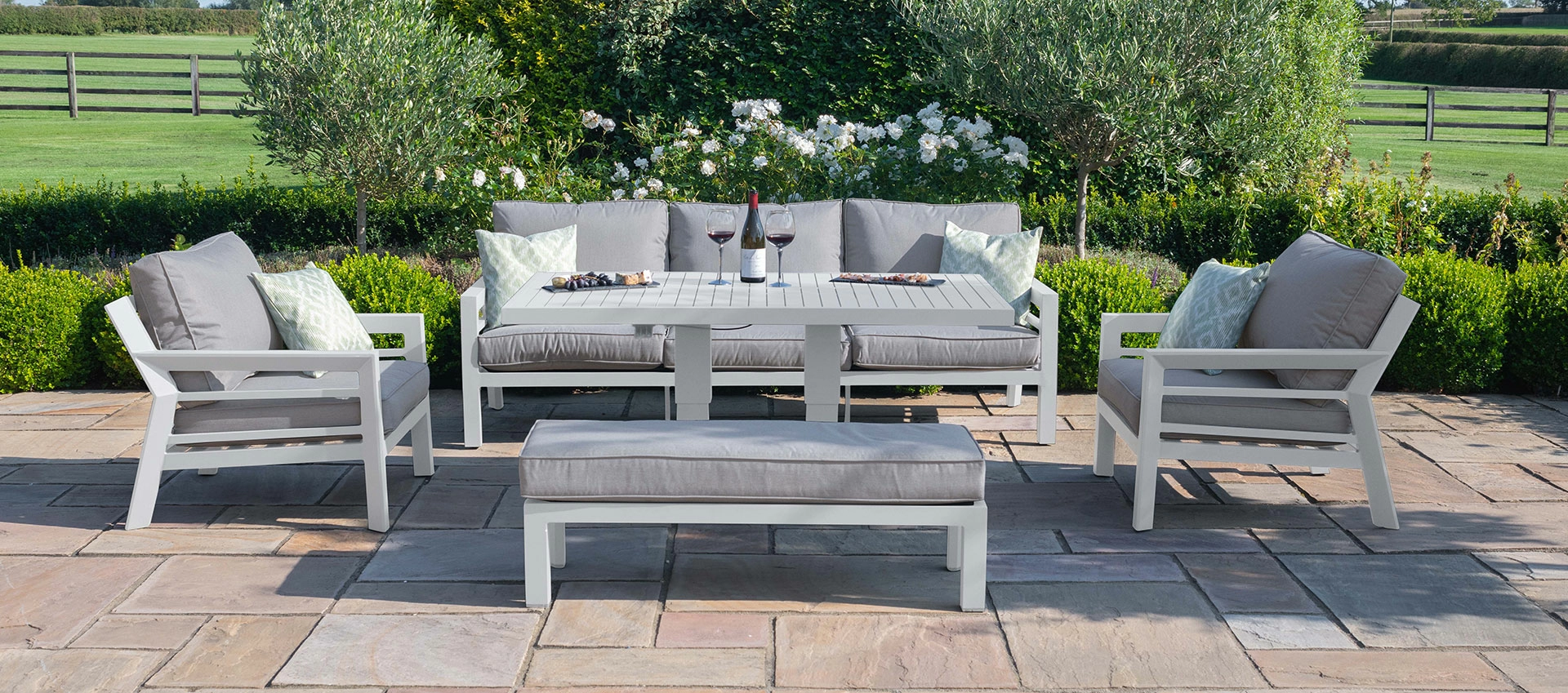
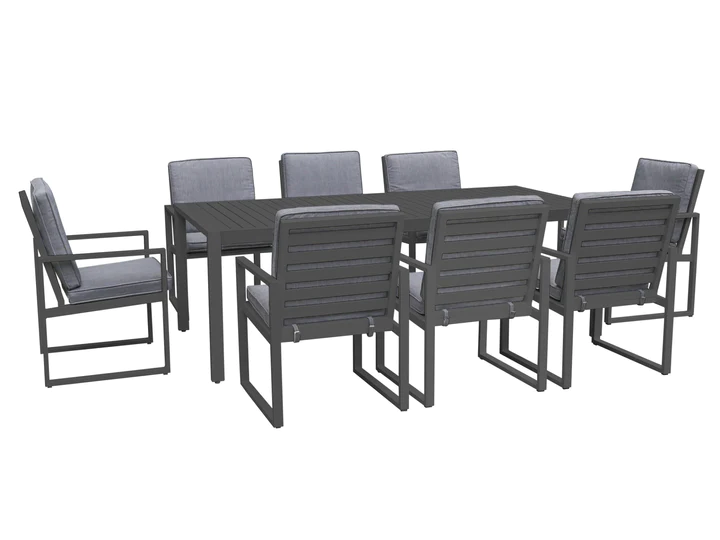

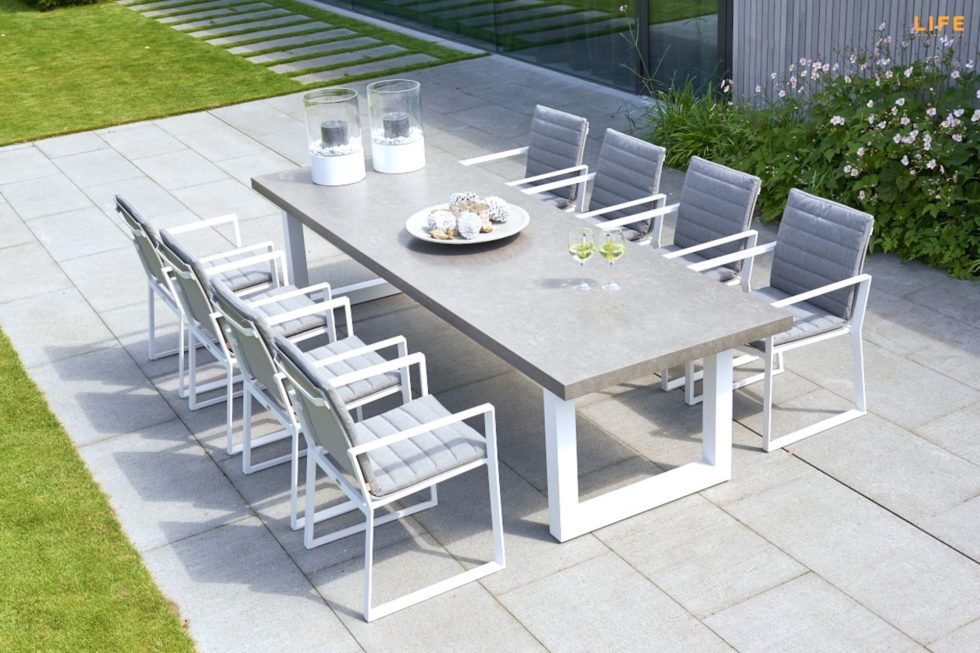

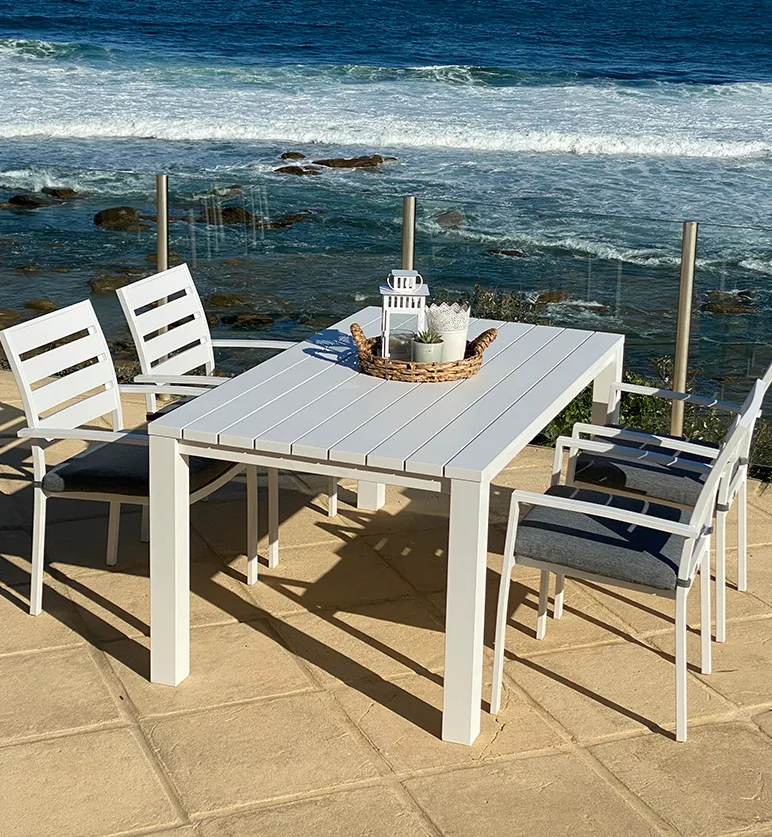
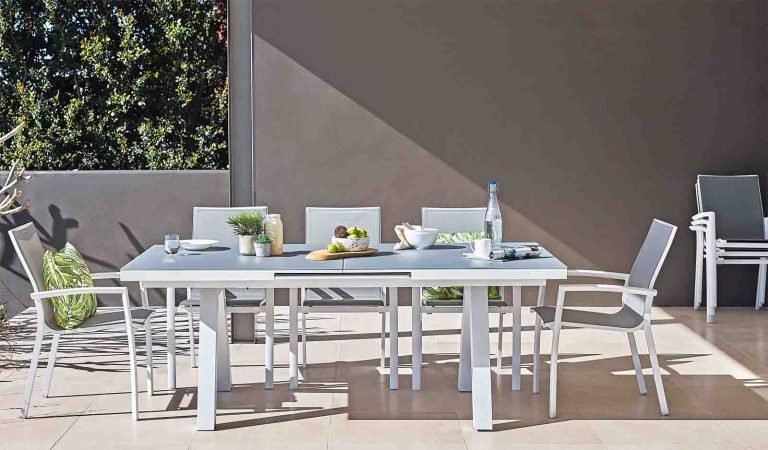
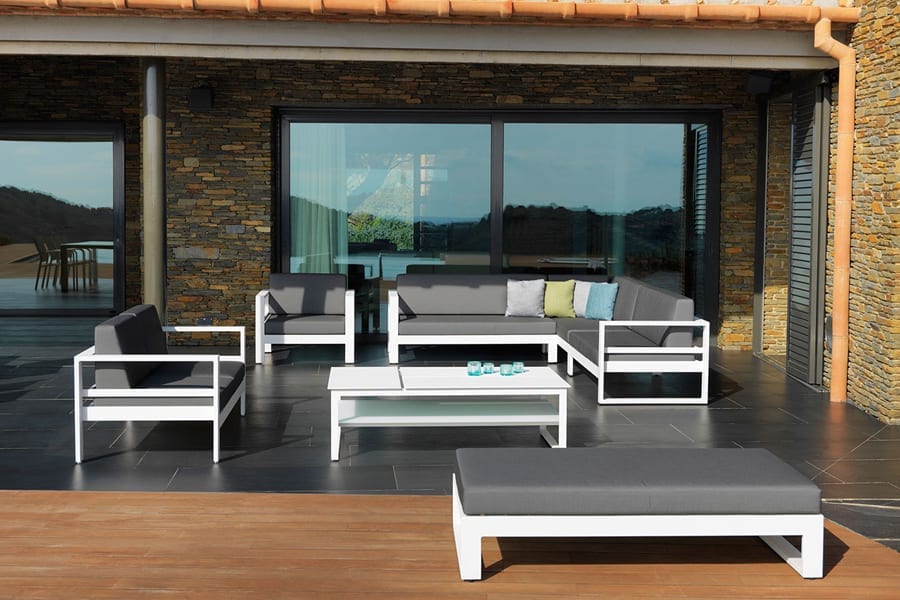
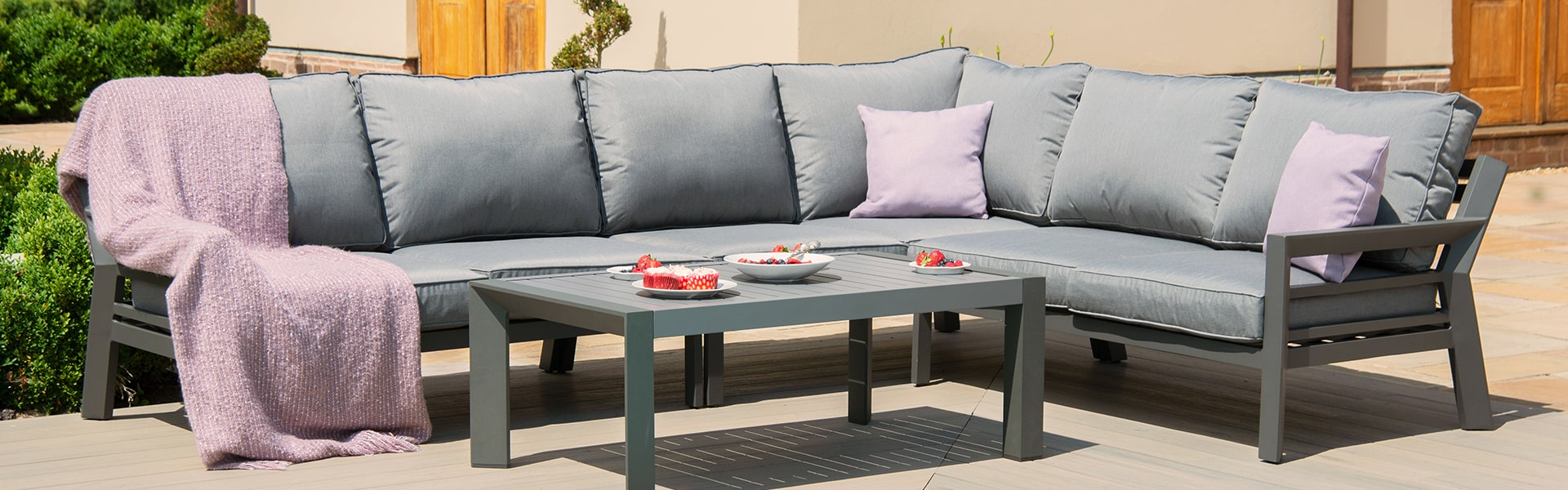



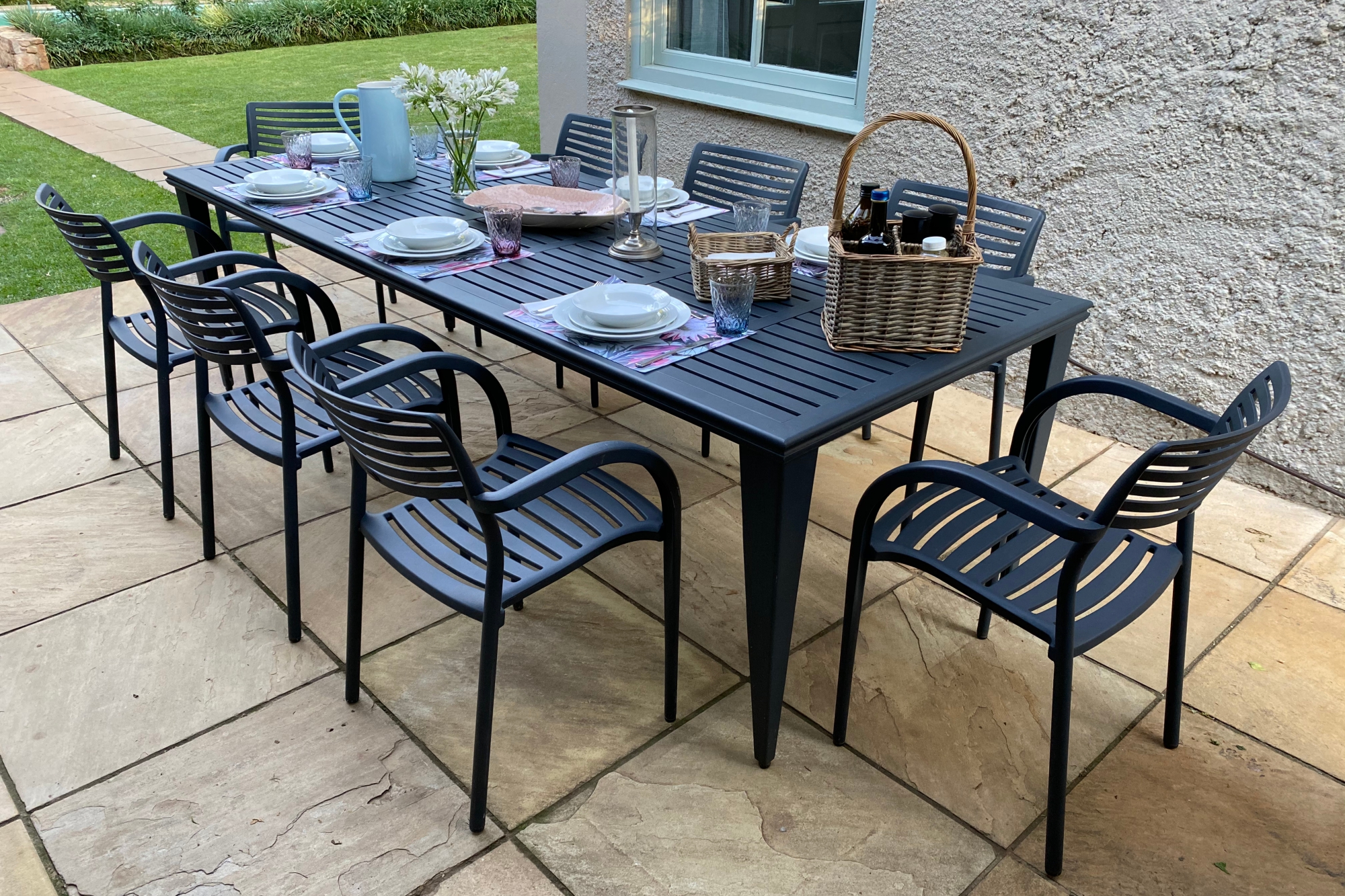
.webp)
.webp)