Product Description
High Consistency All-in-1 Screw Air Compressor For Laser Cutting Machine
1. Who are we?
We are based in ZheJiang , China, starting from 2003, specializing in refrigeration industry for 20 years, and staff in our company is more than 100, meanwhile, our footprints are all over China, playing more and more important role in international market.
2.What can you buy from us?
Refrigeration Compressors, Condensing Units, Refrigeration Equipment, thermal insulation Sandwich Panels and other Parts, also, we provide turn-key solutions and products according to your needs.
3. Why choose us?
We can list the advantages and disadvantages of different solutions (Construction Cost, Running Cost, Maintenance Cost and etc ), which may help you make a decision.
4. How can we guarantee quality?
All parts have gone through strict test before assembly in batch, and the finished goods will go through quality test before packing and shipping, also we provide after-services both online and local technical instruction if necessary.
5. What is your standard delivery time and shipping port?
It usually takes 10~20 working days for standard parts. And for customized products, it may take 20~30 working days. Departing from ZheJiang , ZheJiang and other Ports.
| After-sales Service: | Online |
|---|---|
| Warranty: | 1 Year |
| Lubrication Style: | Oil-free |
| Cooling System: | Air Cooling |
| Cylinder Arrangement: | Duplex Arrangement |
| Cylinder Position: | Angular |
| Samples: |
US$ 500/Piece
1 Piece(Min.Order) | |
|---|
| Customization: |
Available
|
|
|---|
.webp)
What are the advantages of using an air compressor in construction?
Using an air compressor in construction offers numerous advantages that contribute to increased efficiency, productivity, and versatility. Here are some key benefits of using air compressors in construction:
- Powering Pneumatic Tools: Air compressors are commonly used to power a wide range of pneumatic tools on construction sites. Tools such as jackhammers, nail guns, impact wrenches, drills, and sanders can be operated using compressed air. Pneumatic tools are often preferred due to their lightweight, compact design and ability to deliver high torque or impact force.
- Efficient Operation: Air compressors provide a continuous and reliable source of power for pneumatic tools, allowing for uninterrupted operation without the need for frequent battery changes or recharging. This helps to maintain a smooth workflow and reduces downtime.
- Portability: Many construction air compressors are designed to be portable, featuring wheels or handles for easy maneuverability on job sites. Portable air compressors can be transported to different areas of the construction site as needed, providing power wherever it is required.
- Versatility: Air compressors are versatile tools that can be used for various applications in construction. Apart from powering pneumatic tools, they can also be utilized for tasks such as inflating tires, cleaning debris, operating air-operated pumps, and powering air horns.
- Increased Productivity: The efficient operation and power output of air compressors enable construction workers to complete tasks more quickly and effectively. Pneumatic tools powered by air compressors often offer higher performance and faster operation compared to their electric or manual counterparts.
- Cost Savings: Air compressors can contribute to cost savings in construction projects. Pneumatic tools powered by air compressors are generally more durable and have longer lifespans compared to electric tools. Additionally, since air compressors use compressed air as their power source, they do not require the purchase or disposal of batteries or fuel, reducing ongoing operational expenses.
- Reduced Electrocution Risk: Construction sites can be hazardous environments, with the risk of electrocution from electrical tools or equipment. By utilizing air compressors and pneumatic tools, the reliance on electrical power is minimized, reducing the risk of electrocution accidents.
It is important to select the appropriate air compressor for construction applications based on factors such as required air pressure, volume, portability, and durability. Regular maintenance, including proper lubrication and cleaning, is crucial to ensure the optimal performance and longevity of air compressors in construction settings.
In summary, the advantages of using air compressors in construction include powering pneumatic tools, efficient operation, portability, versatility, increased productivity, cost savings, and reduced electrocution risk, making them valuable assets on construction sites.
.webp)
Can air compressors be integrated into automated systems?
Yes, air compressors can be integrated into automated systems, providing a reliable and versatile source of compressed air for various applications. Here’s a detailed explanation of how air compressors can be integrated into automated systems:
Pneumatic Automation:
Air compressors are commonly used in pneumatic automation systems, where compressed air is utilized to power and control automated machinery and equipment. Pneumatic systems rely on the controlled release of compressed air to generate linear or rotational motion, actuating valves, cylinders, and other pneumatic components. By integrating an air compressor into the system, a continuous supply of compressed air is available to power the automation process.
Control and Regulation:
In automated systems, air compressors are often connected to a control and regulation system to manage the compressed air supply. This system includes components such as pressure regulators, valves, and sensors to monitor and adjust the air pressure, flow, and distribution. The control system ensures that the air compressor operates within the desired parameters and provides the appropriate amount of compressed air to different parts of the automated system as needed.
Sequential Operations:
Integration of air compressors into automated systems enables sequential operations to be carried out efficiently. Compressed air can be used to control the timing and sequencing of different pneumatic components, ensuring that the automated system performs tasks in the desired order and with precise timing. This is particularly useful in manufacturing and assembly processes where precise coordination of pneumatic actuators is required.
Energy Efficiency:
Air compressors can contribute to energy-efficient automation systems. By incorporating energy-saving features such as Variable Speed Drive (VSD) technology, air compressors can adjust their power output according to the demand, reducing energy consumption during periods of low activity. Additionally, efficient control and regulation systems help optimize the use of compressed air, minimizing waste and improving overall energy efficiency.
Monitoring and Diagnostics:
Integration of air compressors into automated systems often includes monitoring and diagnostic capabilities. Sensors and monitoring devices can be installed to collect data on parameters such as air pressure, temperature, and system performance. This information can be used for real-time monitoring, preventive maintenance, and troubleshooting, ensuring the reliable operation of the automated system.
When integrating air compressors into automated systems, it is crucial to consider factors such as the specific requirements of the automation process, the desired air pressure and volume, and the compatibility of the compressor with the control and regulation system. Consulting with experts in automation and compressed air systems can help in designing an efficient and reliable integration.
In summary, air compressors can be seamlessly integrated into automated systems, providing the necessary compressed air to power and control pneumatic components, enabling sequential operations, and contributing to energy-efficient automation processes.
How do you choose the right size of air compressor for your needs?
Choosing the right size of air compressor is essential to ensure optimal performance and efficiency for your specific needs. Here are some factors to consider when selecting the appropriate size:
1. Air Demand: Determine the air demand requirements of your applications. Calculate the total CFM (Cubic Feet per Minute) needed by considering the air consumption of all the pneumatic tools and equipment that will be operated simultaneously. Choose an air compressor with a CFM rating that meets or exceeds this total demand.
2. Pressure Requirements: Consider the required operating pressure for your applications. Check the PSI (Pounds per Square Inch) rating of the tools and equipment you will be using. Ensure that the air compressor you choose can deliver the necessary pressure consistently.
3. Duty Cycle: Evaluate the duty cycle of the air compressor. The duty cycle represents the percentage of time the compressor can operate within a given time period without overheating or experiencing performance issues. If you require continuous or heavy-duty operation, choose a compressor with a higher duty cycle.
4. Power Source: Determine the available power source at your location. Air compressors can be powered by electricity or gasoline engines. Ensure that the chosen compressor matches the available power supply and consider factors such as voltage, phase, and fuel requirements.
5. Portability: Assess the portability requirements of your applications. If you need to move the air compressor frequently or use it in different locations, consider a portable or wheeled compressor that is easy to transport.
6. Space and Noise Constraints: Consider the available space for installation and the noise restrictions in your working environment. Choose an air compressor that fits within the allocated space and meets any noise regulations or requirements.
7. Future Expansion: Anticipate any potential future expansions or increases in air demand. If you expect your air demand to grow over time, it may be wise to choose a slightly larger compressor to accommodate future needs and avoid the need for premature replacement.
8. Budget: Consider your budgetary constraints. Compare the prices of different air compressor models while ensuring that the chosen compressor meets your specific requirements. Keep in mind that investing in a higher-quality compressor may result in better performance, durability, and long-term cost savings.
By considering these factors and evaluating your specific needs, you can choose the right size of air compressor that will meet your air demand, pressure requirements, and operational preferences, ultimately ensuring efficient and reliable performance.


editor by CX 2023-11-02
China Standard Outdoor Furniture Patio Wood Picnic Garden Folding Beer Table and Bench vacuum pump booster
Product Description
Product Description
| Product Name | Beer table set | Style | Foldable |
| Brand | Aicathlon | Colour | top natural color, leg black/green |
| Table Size | 217*68*75.5CM | Bench Size | 217*24.5*45.5cm |
| Capacity | 8people | Thickness | 2.5cm |
Company Profile
HangZhou Cheers is a professional manufacturer specializing in producing, designing and selling outdoor furniture, especially H D P E blow molding furniture for over 15 years, our factory located in HangZhou city,ZHangZhoug province. which covers an area of 15, 000 square meters, with 120+ skilled workers .
We have modern blow molding machines, automatic welding machines, automatic powder coating lines, etc. which make us more efficient and ensure quality to reach a monthly capacity of 60 containers .At the same time, we also obtained BSCI certification can meet the factory inspection requirements for large retailers. Our factory production plant installed more than 100 cameras can achieve 360-degree visual production.
Our R&D department needs to complete the task of developing 10 new models each year to promote to our overseas market.such as rattan grain design and wood grain design.we also willing to work with our customers to develop new customized products.
By the way,our sales director with over 15+ years of marketing experiences, so we can offer you a strategical and professional and business plan. Once you give us your product or market requirements, we will offer you a total customized solution.
FAQ
1. How long about the lead time?
30-60days after receiving the deposit
2. What is the MOQ?
100pcs each item,3-5 items mixed in 1*20GP
3. How about the warranty?
Residential Quality Grade:1 years warranty except unproper use
4. When you can get our reply after enquiry?
within 24 hours
5. What about the sample policy?
we charge for the sample& freight cost,and will refund the sample cost after got the official order(based on FCL)
6. Sample lead time?
within 7 days
7. Sample Charge&Freight Cost?
we charge the sample cost and freight collect,will return the sample cost after the official order (based on Full Container Load)
8. Payment Term?
T/T 30%deposit before the production,70% balance against B/L copy
L/C irrevocable at sight
| Material: | Wooden |
|---|---|
| Style: | Simple |
| Usage: | Bar, Hotel, Dining Room, Outdoor, Garden |
| Samples: |
US$ 120/Piece
1 Piece(Min.Order) | Order Sample |
|---|
.shipping-cost-tm .tm-status-off{background: none;padding:0;color: #1470cc}
| Shipping Cost:
Estimated freight per unit. |
about shipping cost and estimated delivery time. |
|---|
| Payment Method: |
|
|---|---|
|
Initial Payment Full Payment |
| Currency: | US$ |
|---|
| Return&refunds: | You can apply for a refund up to 30 days after receipt of the products. |
|---|
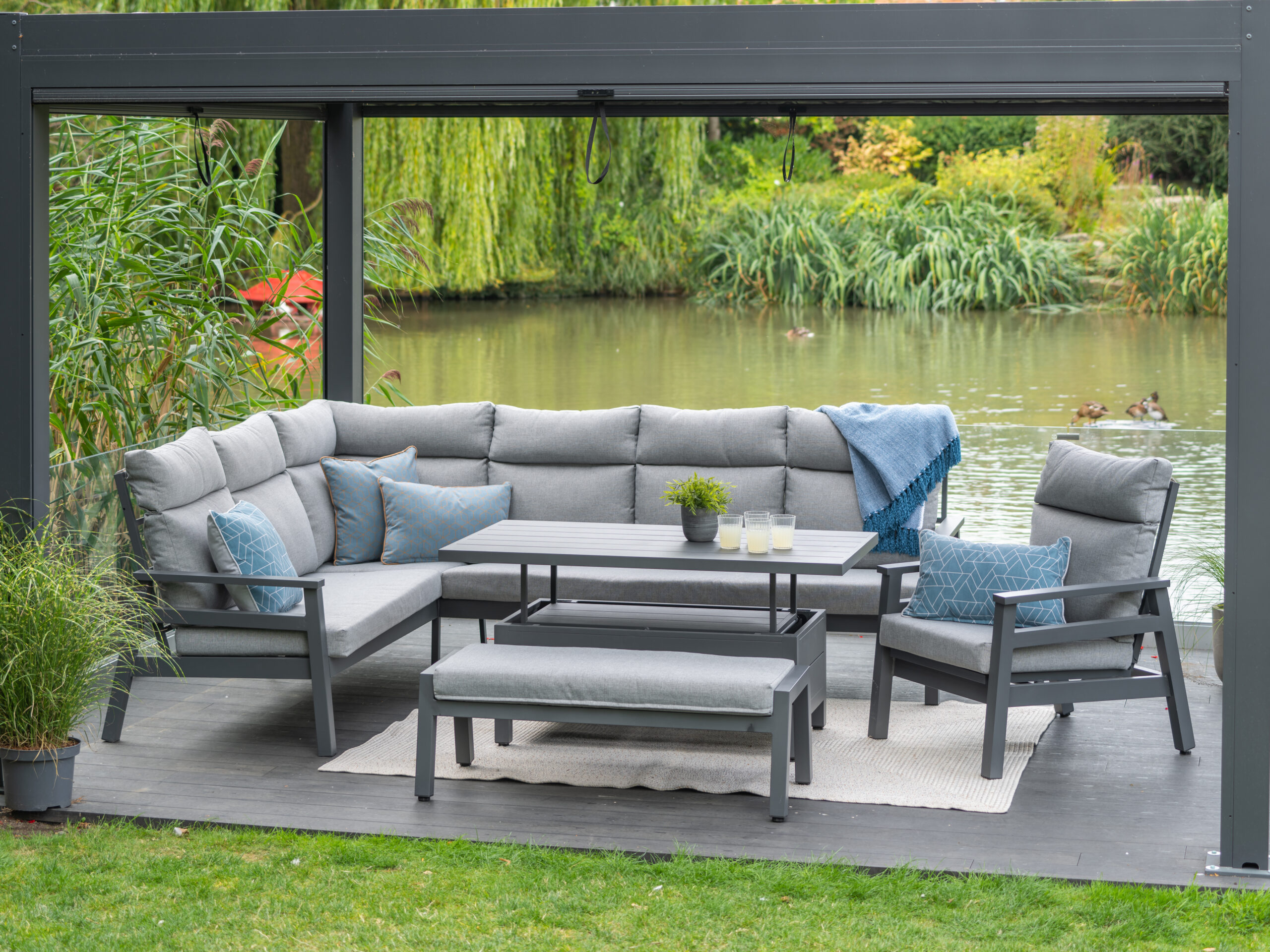
What are the best practices for assembling and maintaining garden furniture with glass tops?
Garden furniture with glass tops can add a touch of elegance to your outdoor space. Here are some best practices for assembling and maintaining this type of furniture:
1. Assembling Garden Furniture:
When assembling garden furniture with glass tops, follow these guidelines:
- Read and follow the manufacturer’s instructions carefully.
- Ensure that the assembly area is clean, flat, and stable.
- Handle the glass top with care to avoid any accidental damage or breakage.
- Use the provided hardware and tools to secure the glass top to the frame according to the instructions.
- Double-check that all connections are tightened properly, but avoid overtightening to prevent damage to the glass.
- If applicable, attach any additional components or accessories, such as umbrella holders or cushions, as instructed.
2. Cleaning and Maintenance:
To maintain garden furniture with glass tops, consider the following:
- Regularly clean the glass surface using a mild glass cleaner or a mixture of water and vinegar. Avoid using harsh chemicals or abrasive cleaners that can damage the glass.
- Wipe the glass top with a soft, lint-free cloth or a microfiber cloth to remove dust, dirt, or fingerprints. For stubborn stains, gently scrub the affected area with a soft brush or sponge.
- Avoid placing hot objects directly on the glass surface, as extreme temperature changes can cause the glass to crack or shatter.
- Protect the glass top from scratches by using coasters, placemats, or tablecloths when placing items on the surface.
- If your furniture includes removable glass tops, consider storing them indoors or in a safe, covered area during severe weather conditions or when not in use for an extended period.
3. Preventative Measures:
Take these preventative measures to ensure the longevity of your garden furniture with glass tops:
- Avoid dragging or sliding heavy objects across the glass surface, as this can cause scratches or damage.
- Regularly inspect the frame and connections to ensure they remain sturdy and secure. Tighten any loose screws or bolts as necessary.
- Consider using furniture covers specifically designed for garden furniture with glass tops to protect it from dust, dirt, and the elements when not in use.
- During strong winds or storms, move the furniture to a sheltered area or secure it with straps or anchors to prevent it from being blown over or damaged.
By following these best practices, you can assemble and maintain your garden furniture with glass tops effectively, ensuring its longevity and enjoyment for years to come.
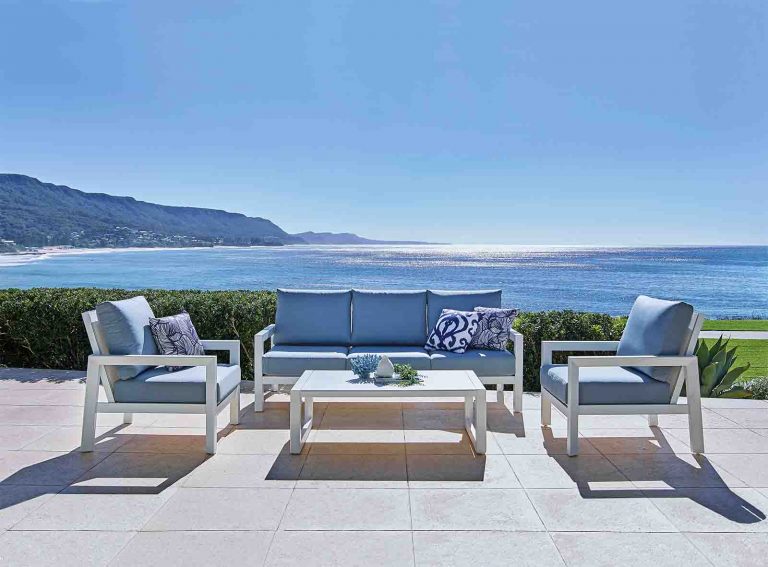
What are the ideal materials for garden furniture cushions that won’t absorb moisture?
When selecting cushions for garden furniture, it’s important to choose materials that won’t absorb moisture to ensure durability and easy maintenance. Here are some ideal materials for garden furniture cushions that are resistant to moisture:
1. Solution-Dyed Acrylic:
Solution-dyed acrylic is a popular choice for outdoor cushions as it is highly resistant to moisture absorption. The fibers are dyed before they are spun into yarn, resulting in color that permeates the entire fiber. This material is known for its fade resistance, water repellency, and resistance to mold and mildew. Solution-dyed acrylic cushions are also generally easy to clean and maintain.
2. Polyester:
Polyester is another suitable material for garden furniture cushions that won’t absorb moisture. It is naturally resistant to water and dries quickly. Polyester cushions are also generally resistant to fading, staining, and mildew. Look for cushions made from high-quality, outdoor-grade polyester fabric for optimal performance.
3. Olefin:
Olefin is a synthetic fiber that is resistant to moisture, mold, and mildew. It has excellent water repellency and dries quickly, making it a suitable choice for outdoor cushions. Olefin is also known for its durability and colorfastness, retaining its vibrant colors even with prolonged exposure to sunlight.
4. PVC-Coated Polyester:
PVC-coated polyester cushions are designed to be highly water-resistant. The polyester fabric is coated with a layer of polyvinyl chloride (PVC) that creates a waterproof barrier. This coating prevents moisture absorption and makes the cushions easy to clean. PVC-coated polyester cushions are often used in marine and outdoor settings due to their excellent water resistance.
5. Quick-Dry Foam:
In addition to the cushion fabric, consider the type of foam used inside the cushions. Quick-dry foam is a high-performance foam that is designed to allow water to quickly drain and evaporate. This foam helps prevent moisture retention inside the cushions, reducing the risk of mold and mildew growth. Quick-dry foam is an excellent choice for outdoor cushions that need to withstand wet conditions.
6. Mesh or Ventilated Fabrics:
Another option for moisture-resistant cushions is to choose fabrics with mesh or ventilated designs. These fabrics allow air to circulate more freely, facilitating faster drying and reducing the chances of moisture buildup. Mesh or ventilated cushions can be particularly beneficial in humid climates or areas prone to heavy rainfall.
When selecting cushions for your garden furniture, look for materials that offer both comfort and moisture resistance. Consider the specific climate and weather conditions in your area to ensure the cushions are suitable for outdoor use. Regular cleaning and proper maintenance will also help extend the lifespan of your cushions and keep them in good condition.

Are there any eco-friendly or sustainable options for garden furniture?
Yes, there are several eco-friendly and sustainable options available for garden furniture. These options prioritize environmentally conscious materials, manufacturing processes, and durability. Here are some examples of eco-friendly and sustainable garden furniture:
1. Reclaimed Wood Furniture:
Furniture made from reclaimed wood is a sustainable choice. Reclaimed wood is salvaged from old buildings, barns, or other sources and repurposed into furniture. This helps reduce the demand for new timber and minimizes waste. Reclaimed wood furniture can have a unique, rustic appearance and is often treated for outdoor use.
2. FSC Certified Wood Furniture:
FSC (Forest Stewardship Council) certification ensures that the wood used in furniture comes from responsibly managed forests. FSC-certified wood is sourced in an environmentally and socially responsible manner, promoting sustainable forestry practices. Look for garden furniture with FSC certification to support sustainable timber production.
3. Recycled Plastic Furniture:
Furniture made from recycled plastic is an eco-friendly alternative to traditional plastic or wood furniture. This type of furniture is made from post-consumer plastic waste, such as plastic bottles or packaging. Recycled plastic furniture is durable, resistant to weather conditions, and requires minimal maintenance.
4. Metal Furniture with Recycled Content:
Some metal garden furniture options incorporate recycled content. For example, aluminum furniture made from recycled aluminum reduces the need for mining new raw materials. Look for manufacturers that use recycled metal in their furniture designs to support recycling initiatives.
5. Bamboo Furniture:
Bamboo is a fast-growing and renewable resource, making it an eco-friendly material for garden furniture. It is known for its strength, durability, and natural resistance to pests and weather conditions. Bamboo furniture is lightweight, aesthetically pleasing, and can be a sustainable choice for outdoor settings.
6. Natural Fiber Furniture:
Natural fibers such as rattan, seagrass, or wicker can be sustainable options for garden furniture. These materials are derived from plants and can be harvested without causing significant harm to the environment. Look for furniture made from sustainably sourced natural fibers and treated for outdoor use.
7. Upcycled or Vintage Furniture:
Consider upcycling or repurposing old furniture to create unique and sustainable garden pieces. By giving new life to pre-existing furniture, you can reduce waste and create personalized and environmentally friendly designs. Additionally, vintage or secondhand garden furniture can be a sustainable choice, as it extends the lifespan of existing pieces.
When selecting eco-friendly or sustainable garden furniture, look for certifications, labels, or information provided by the manufacturer that indicates their commitment to sustainability. Consider the durability, maintenance requirements, and end-of-life disposal options to make an informed choice for your outdoor space.
editor by CX 2023-11-02
China Professional High Quality Plastic PS Wood Cast CHINAMFG Modern Cafe Dining Table and Chairs Patio Outdoor Garden Furniture Sets vacuum pump electric
Product Description
HangZhou Zixuan Furniture Co., Ltd. is a factory specializing in the production of outdoor furniture. It has nearly 20 years of experience in the production of outdoor furniture. There are some experienced teachers in the factory. They are very professional and have guaranteed quality. We can customize them. If you have pictures, we can produce them. Welcome to contact us. We are very confident that we can make your order. Welcome to inquire! Price gives you very affordable price and guaranteed quality products! If necessary, you can send a picture inquiry! We very much welcome you to visit
| Material: | Metal |
|---|---|
| Style: | Simple |
| Usage: | Bar, Hotel, Dining Room, Outdoor |
| Samples: |
US$ 185/Piece
1 Piece(Min.Order) | Order Sample Can customize colors
|
|---|
| Customization: |
Available
|
|
|---|
.shipping-cost-tm .tm-status-off{background: none;padding:0;color: #1470cc}
|
Shipping Cost:
Estimated freight per unit. |
about shipping cost and estimated delivery time. |
|---|
| Payment Method: |
|
|---|---|
|
Initial Payment Full Payment |
| Currency: | US$ |
|---|
| Return&refunds: | You can apply for a refund up to 30 days after receipt of the products. |
|---|
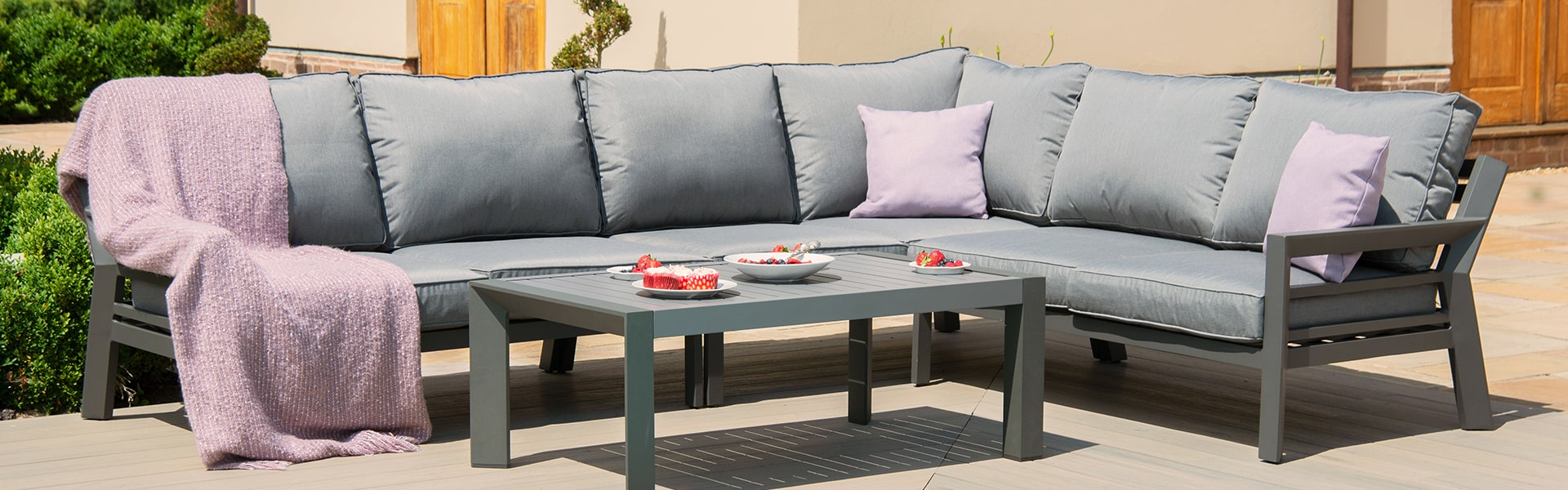
Can I leave aluminum garden furniture outside year-round, or should I store it?
While aluminum garden furniture is generally designed to withstand outdoor conditions, it is recommended to take certain precautions to ensure its longevity. Here are some factors to consider when deciding whether to leave your aluminum furniture outside year-round or store it:
1. Climate:
The climate in your area plays a significant role in determining whether you should leave your aluminum furniture outside year-round. In regions with mild climates and minimal extreme weather conditions, such as moderate temperatures and low humidity, it is usually safe to leave the furniture outdoors.
2. Harsh Weather:
If you live in an area with harsh weather conditions, such as extreme heat, heavy rain, snow, or high winds, it is advisable to store your aluminum furniture during these periods. Prolonged exposure to such elements can gradually affect the appearance and durability of the furniture.
3. UV Exposure:
Direct and prolonged exposure to sunlight can cause fading or discoloration of the furniture’s finish over time. If your aluminum furniture is consistently exposed to intense sunlight, it may be beneficial to provide shade or use protective covers to minimize UV damage.
4. Maintenance Effort:
Leaving your aluminum furniture outside year-round may require more maintenance to keep it in good condition. Regular cleaning, applying protective coatings, and addressing any signs of damage or wear become even more important when the furniture is exposed to outdoor elements continuously.
5. Storage Space:
If you have sufficient storage space available, storing your aluminum furniture during periods of non-use or harsh weather can help prolong its lifespan. Storing the furniture in a dry and well-ventilated area, such as a garage, shed, or covered patio, can provide additional protection.
6. Furniture Covers:
If leaving your aluminum furniture outside year-round, consider using furniture covers designed for outdoor use. Quality covers can help protect the furniture from dust, dirt, UV rays, and moisture. Ensure that the covers are properly fitted and secure to prevent wind damage.
7. Manufacturer’s Recommendations:
Refer to the manufacturer’s recommendations or care instructions for your specific aluminum furniture. They may provide guidance on whether the furniture is suitable for year-round outdoor use or if it is advisable to store it during certain conditions.
In conclusion, while aluminum garden furniture is generally durable and weather-resistant, storing it during harsh weather conditions and providing regular maintenance can help prolong its lifespan and keep it in optimal condition. Consider the climate, weather patterns, UV exposure, maintenance effort, storage space availability, and manufacturer’s recommendations to make an informed decision on whether to leave your aluminum furniture outside year-round or store it.
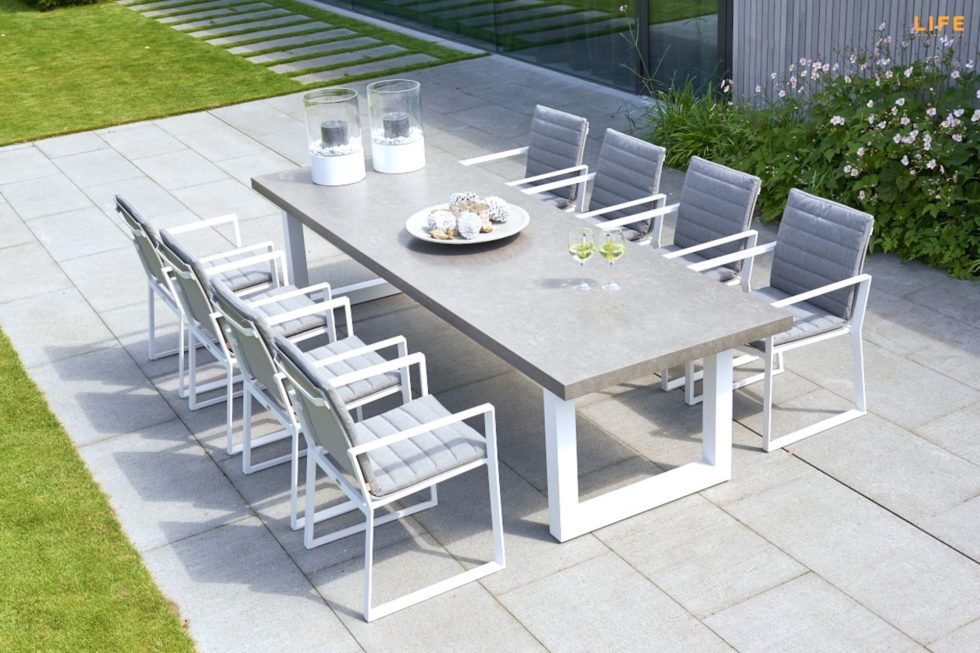
What are the advantages of using powder-coated aluminum for garden furniture frames?
Powder-coated aluminum offers several advantages when used for garden furniture frames. Here are the key benefits:
1. Durability:
Powder coating creates a highly durable finish that can withstand outdoor conditions. The powder coating process involves applying a dry powder to the aluminum surface and then curing it in an oven. This results in a hard and protective layer that resists chipping, scratching, and fading. The durable nature of powder coating ensures that the furniture frames can withstand regular use and exposure to the elements without significant wear or damage.
2. Weather Resistance:
Powder-coated aluminum is highly resistant to weathering. It can withstand exposure to sunlight, rain, humidity, and temperature fluctuations without corroding or deteriorating. The powder coating acts as a barrier that protects the aluminum from moisture, UV rays, and other environmental factors that can cause damage. This makes powder-coated aluminum ideal for outdoor furniture that needs to withstand various weather conditions throughout the year.
3. Color Options:
Powder coating offers a wide range of color options for garden furniture frames. The powder coating process involves using pigmented powders, allowing for customization in terms of color and finish. Whether you prefer vibrant hues or subtle tones, there are numerous color choices available to suit your aesthetic preferences and complement your outdoor decor. Additionally, the color of powder-coated aluminum remains vibrant and fade-resistant over time.
4. Easy Maintenance:
Powder-coated aluminum is relatively low-maintenance compared to other materials. The smooth and non-porous surface of the powder coating makes it easy to clean. Generally, regular cleaning with mild soap and water is sufficient to keep the frames looking their best. The durable finish also helps prevent the accumulation of dirt, stains, and grime, making maintenance tasks easier and less frequent.
5. Eco-Friendly:
Powder coating is an environmentally friendly finishing option. The powder coating process does not involve the use of solvents or emit harmful volatile organic compounds (VOCs) into the air. Additionally, powder coatings are highly efficient, with minimal waste, as any overspray can be collected and reused. This makes powder-coated aluminum a sustainable choice for garden furniture.
Overall, the advantages of using powder-coated aluminum for garden furniture frames include durability, weather resistance, a wide range of color options, easy maintenance, and eco-friendliness. These qualities make powder-coated aluminum an excellent choice for outdoor furniture that can withstand the elements while maintaining its appearance and functionality over time.
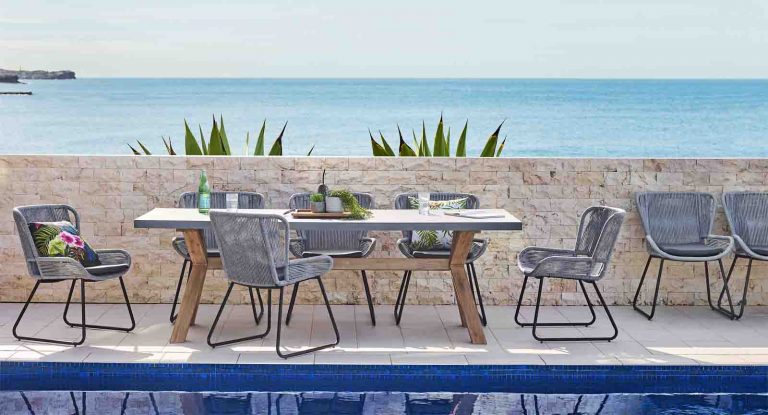
How can I maintain and care for my aluminum garden furniture to keep it looking new?
To keep your aluminum garden furniture looking new and well-maintained, here are some tips for maintenance and care:
1. Regular Cleaning:
Regular cleaning is essential to prevent dirt, debris, and stains from accumulating on your aluminum furniture. Use mild soap or a gentle household cleaner mixed with water to clean the surfaces. Avoid abrasive cleaners or tools that can scratch the aluminum. After cleaning, rinse thoroughly with water and dry the furniture completely.
2. Protective Covers:
Consider using protective covers when your aluminum furniture is not in use, especially during long periods of storage or inclement weather. Covers can help shield the furniture from dust, dirt, and UV rays, prolonging its lifespan and maintaining its appearance.
3. Avoid Harsh Elements:
While aluminum is durable and weather-resistant, it’s still a good practice to avoid exposing your furniture to extreme weather conditions whenever possible. Direct exposure to prolonged sunlight, heavy rain, or snow can gradually affect the appearance and finish of the furniture. If you live in an area with harsh weather, consider moving your furniture to a protected area or using umbrellas or shade sails to provide additional protection.
4. Rust Prevention:
Although aluminum is naturally resistant to rust, certain factors can still cause corrosion. To further protect your furniture, apply a thin layer of automotive wax or a specialized metal protector to the surfaces. This protective layer can help guard against oxidation and maintain the shine of the aluminum.
5. Cushion Care:
If your aluminum furniture has cushions, follow the manufacturer’s instructions for cleaning and maintenance. Remove the cushions when not in use or during storage to prevent moisture accumulation. Spot clean any spills or stains promptly to avoid permanent damage.
6. Inspect and Repair:
Regularly inspect your aluminum furniture for any signs of damage or loose parts. Tighten screws or bolts if necessary and address any minor issues promptly to prevent further damage.
7. Seasonal Storage:
If you live in an area with harsh winters or extended periods of non-use, consider storing your aluminum furniture indoors or in a dry and well-ventilated storage area. Clean and dry the furniture thoroughly before storage, and consider using furniture covers or protective wraps to prevent scratches or dings.
By following these maintenance and care tips, you can keep your aluminum garden furniture looking new and extend its lifespan. Regular cleaning, protective covers, avoiding harsh elements, rust prevention, cushion care, inspecting and repairing, and proper seasonal storage will help you maintain the appearance and functionality of your aluminum furniture for years to come.
editor by CX 2023-11-02
China Best Sales Hot-Selling Premium Outdoor Living 3 Piece Garden Furniture Chat Set CHINAMFG Frame Wicker Linen Cushion Rattan Sofa for Use vacuum pump for ac
Product Description
Welcome to CHINAMFG furniture, my dear customers.
We are 1 of the professional outdoor furniture manufacturers in China Located in Xihu (West Lake) Dis. District, HangZhou City, ZHangZhoug Province.Our main products There are various outdoor furniture made of rattan:rattan chair (many styles) attan attan table Lifts attan Single sofa attan 2 person sofa attan 2 person corner sofa attan 3-seater sofa garden umbrellaand other outdoor products.OLE
have founded since 2571. More than 11years in furniture exporting experirences. We are professional in furniture design and producing, we will become your reliable business partner in China.
More than 80% of our products are delivery to Europe and North America. We keep growing up in the market under the good quality control, nice product design and reasonable price. We trust we could be 100-years outdoor furniture company in the future.All these will make our products better and better for the customers.
We will win your trust and satisfaction with our nice products and good service.Inquiries welcome
Products Information
Rattan Sofa Set
Features:
High quality durable PE rattan, fully weatherproof and UV resistant
Aluminum Frame
No assembly required
| Material: | Rattan |
|---|---|
| Style: | Simple |
| Usage: | Garden |
| Folded: | Unfolded |
| Customized: | Customized |
| Condition: | New |
| Samples: |
US$ 500/Set
1 Set(Min.Order) | |
|---|
| Customization: |
Available
|
|
|---|
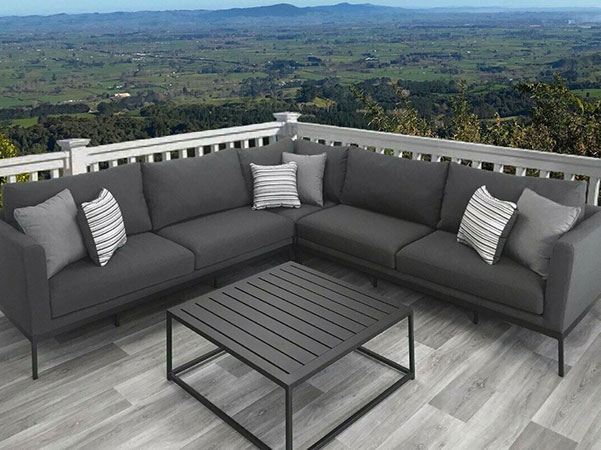
What are the price ranges for aluminium garden sofas, and how do they vary based on features and brands?
When it comes to aluminium garden sofas, the price ranges can vary depending on various factors such as features, materials, design, brand reputation, and overall quality. Here’s a detailed explanation of the price ranges and the factors that influence them:
Entry-Level or Budget Range:
In the entry-level or budget range, you can find aluminium garden sofas with simpler designs and basic features. These sofas are often made with lightweight aluminium frames and may have standard cushions or seating materials. They generally offer functional seating without extensive customization options. In this range, prices can start from around $200 and go up to $800, depending on the size and specific features.
Mid-Range:
In the mid-range, you’ll find a wider variety of aluminium garden sofas with more design options, enhanced features, and better quality materials. These sofas may offer additional features such as adjustable backrests, reclining capabilities, or modular configurations. The cushions or seating materials in this range are often of higher quality and may come in a greater selection of colors and patterns. Prices for mid-range aluminium garden sofas typically range from around $800 to $2,000.
High-End or Luxury Range:
In the high-end or luxury range, aluminium garden sofas are typically built with premium materials and boast sophisticated designs and advanced features. These sofas may incorporate high-performance fabrics, premium cushion fillings, and meticulous attention to detail in craftsmanship. They often offer a wider range of customization options, including choices for finishes, upholstery materials, and accessories. Prices in the high-end or luxury range can start from around $2,000 and go upwards of $5,000 or more, depending on the brand and level of customization.
Brand Reputation and Quality:
Brand reputation and perceived quality also play a significant role in the pricing of aluminium garden sofas. Established and well-known brands that have a reputation for producing durable, high-quality outdoor furniture tend to command higher prices. These brands often invest in research and development, use premium materials, and have rigorous quality control processes, which can justify the higher price points. On the other hand, lesser-known or newer brands may offer more affordable options with comparable features and quality.
Additional Factors:
Other factors that can influence the price of aluminium garden sofas include the complexity of the design, the level of craftsmanship, the availability of customization options, and any additional features or accessories included with the sofa. Sofas with intricate designs, unique finishes, or advanced functionalities may have higher price tags compared to more basic models.
Conclusion:
The price ranges for aluminium garden sofas can vary greatly based on features, materials, design complexity, brand reputation, and overall quality. Entry-level or budget options typically range from $200 to $800, mid-range sofas range from $800 to $2,000, and high-end or luxury sofas can start from $2,000 and go well beyond $5,000. It’s essential to consider the desired features, quality, and brand reputation when selecting an aluminium garden sofa that fits both your budget and preferences.
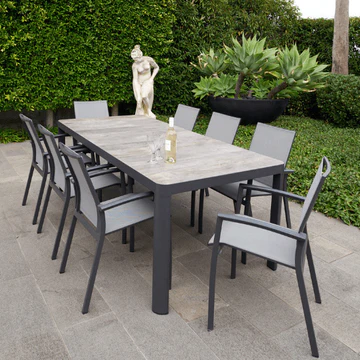
What are the cleaning and maintenance requirements for keeping an aluminium garden sofa in good condition?
Keeping an aluminium garden sofa in good condition requires regular cleaning and maintenance. Here’s a detailed explanation:
Cleaning Aluminium Garden Sofas:
To clean an aluminium garden sofa, follow these steps:
- Remove any cushions or fabric covers from the sofa.
- Wipe down the aluminium frame using a soft cloth or sponge dampened with a mild soap and water solution. Avoid using abrasive cleaners or brushes that can scratch the surface.
- Rinse the frame thoroughly with clean water to remove any soap residue.
- Dry the sofa with a clean, dry cloth or allow it to air dry completely before reattaching cushions or fabric covers.
Maintenance Tips for Aluminium Garden Sofas:
Here are some maintenance tips to keep your aluminium garden sofa in good condition:
- Regular Inspections: Periodically inspect the aluminium frame for any signs of damage, such as dents, scratches, or loose joints. Address any issues promptly to prevent further damage.
- Protective Covers: Consider using protective covers when the sofa is not in use or during harsh weather conditions. Covers can help shield the sofa from dirt, dust, and UV exposure, prolonging its lifespan.
- Cushion Care: Follow the manufacturer’s instructions for cleaning and maintaining the cushions. Some cushions may have removable covers that can be machine washed or spot cleaned. Regularly fluff and rotate the cushions to ensure even wear.
- Preventing Corrosion: Aluminium is naturally resistant to rust and corrosion. However, if you notice any signs of corrosion, gently clean the affected area using a non-abrasive cleaner or a mixture of vinegar and water. Apply a thin coat of automotive wax or a protective aluminium polish to prevent future corrosion.
- Storage: If you live in an area with harsh winters or extended periods of inclement weather, consider storing your aluminium garden sofa indoors or in a covered area during these times. This will help protect it from extreme temperatures and reduce exposure to the elements.
Conclusion:
To keep an aluminium garden sofa in good condition, regular cleaning and maintenance are essential. Clean the aluminium frame using mild soap and water, and inspect it periodically for any damage. Use protective covers when the sofa is not in use, follow the care instructions for the cushions, and address any signs of corrosion promptly. By following these cleaning and maintenance practices, you can extend the lifespan of your aluminium garden sofa and keep it looking its best for years to come.
Are there modular or sectional options available for aluminium garden sofas to customize seating arrangements?
Yes, there are modular and sectional options available for aluminium garden sofas that allow you to customize seating arrangements. Here’s a detailed explanation:
Modular Garden Sofas:
Modular garden sofas are designed with individual seating units that can be rearranged to create different configurations. These units are typically separate pieces that can be combined in various ways to suit your space and seating needs. Each unit of a modular garden sofa can be a standalone seat or can be connected to other units using connectors or fasteners. This versatility allows you to create different seating arrangements such as L-shapes, U-shapes, or even circular layouts. You can add or remove units as desired to adapt the seating arrangement to different occasions or changing preferences.
Sectional Garden Sofas:
Sectional garden sofas are similar to modular sofas in that they consist of multiple seating units. However, sectional sofas typically have a fixed shape or configuration. They are designed with pre-determined sections, such as a two-seater, a three-seater, a corner unit, and possibly a chaise lounge or ottoman. These sections are connected to form a cohesive seating arrangement. Sectional garden sofas are popular for creating comfortable and spacious seating areas, especially in larger outdoor spaces. They offer versatility in terms of seating capacity and layout options.
Benefits of Modular and Sectional Sofas:
Modular and sectional garden sofas offer several benefits for customizing seating arrangements:
- Flexibility: With modular and sectional options, you have the flexibility to adapt the seating arrangement to different occasions or changing needs. You can easily reconfigure the sofa to accommodate a small gathering or a larger party.
- Space Optimization: These sofas allow you to maximize the use of your outdoor space. You can arrange the seating units to fit the available area, whether it’s a compact balcony or a spacious patio.
- Personalization: Modular and sectional sofas offer a high level of customization. You can mix and match different units or sections to create a seating arrangement that suits your aesthetic preferences and functional requirements.
- Versatility: The ability to rearrange the seating units or sections gives you the flexibility to experiment with different layouts and configurations. You can create seating arrangements that promote conversation, provide lounging areas, or optimize views.
- Expansion Potential: Another advantage of modular and sectional options is that you can easily expand your seating area in the future. If you need additional seating, you can add more units or sections to accommodate more people.
Conclusion:
Modular and sectional options are available for aluminium garden sofas, offering flexibility, customization, and versatility in seating arrangements. These sofas allow you to create personalized configurations that suit your outdoor space and seating needs. Whether you prefer modular sofas with individual units that can be rearranged or sectional sofas with pre-determined sections, you can enjoy the benefits of customizable seating arrangements to enhance your outdoor living experience.
editor by CX 2023-11-02
China best Wholesale Modern Style CHINAMFG Frame Furniture Outdoor Sofa for Home Hotel Garden Patio vacuum pump and compressor
Product Description
| Products Name | Patio Garden Modern Sofa Outdoor Table Set Furniture |
| Products Number | Sofa:TG-CM03 |
| Products Size | Sofa set size:400*200*70cm (total Height 75CM) Coffee table size:120*60*35cm Stool size:60*45cm |
| Set Including | three-seat sofa*2 pcs +two-seat sofa*2 pcs +coffee table*1 pc+stools *2 pcs |
| Raw Materials | 1,2.0MM black CHINAMFG frame 2,seat & back cushion: high density foam and waterproof fabric,thickness 20cm , with pillow |
Why Choose Us?
1.Frame Constructure: Sturdy,strong and light weight with good powder coating aluminum frame, no rust occurred,the surface is treated with powder coated and oxidation and sensational fastness;
2.Rattan Material: Excellent Quality with UV-resistace, water-proof and fire-proof;
3.Color and size are optional,it also can customized products according to the design and requirement of customers;
4.Cushion: 28-30mm density regular foam,quick dry foam;
5.Comfortable with Ergonomic Design which specialized in Outdoor space and indoor house;
6.Excellent Handweaving Technique;
7.Easy to put in the container so it can save the shipment cost;
8.High Quality with competitive price and timely delivery.
PE Rattan Board /Fabric Color
Company Profile
Welcome to Top Glory Furniture, your reliable partner in China. Our company are located in HangZhou, ZheJiang , China. Our main products: Garden furniture, Patio furniture, Outdoor furniture, wicker furniture, PE rattan furniture, Sythetic Furniture, Stainless steel furniture, PP outdoor sofa and chairs, leather sofa, fabric sofa.
HangZhou XIHU (WEST LAKE) DIS. TOP GLORY have founded since 2008. More than 9 years in furniture exporting experirences. We are professional in furniture business and we will become your reliable patner in China. More than 90% of our goods and services are delivery to Europe, America and Australia. We are strict in the quality of the products and have achieved the SGS authentication.
People in TOP GLORY all believe that Today′s quality is Tomorrow′s market.
-Hight quality PE rattan(Viro rattan/Rehau Rattan) outdoor fabric cushions(Sunflower) strong aluminium frame, import top leather from Brasil and Italy.
-Hight quality teak wood: Import from Myanmar
-professional and skillful hand wicker outdoor furniture
-Hight and strictly in quality control, quality is our life, quality is our clients′ benefit and profit.
-Factory Design/ Research and Development: 20 workers
-Factory Employee: 300peoples
-Factory Showroom: 10, 000 sqm
Welcome to TOP GLORY furniture!
Our Factory
Our Advantages
1: Green Product and pro-environment furniture, weatherproof and colorfast
2. UV resistant PE rattan and aluminum frame with soft cushion
3. Excellent Handweaving Technique with fashion design
4: High Quality with competitive price and timely delivery.
Our Service
We care about the future of our business, with high quality products and perfect service base on our efficient management and professional work teams
We also accept OEM order
Thank you for visting our website, we warmly welcome you to send us any questions or inquiries that you may have. we are sincerely looking CHINAMFG to hear from you.
FAQ
1.Production Lead Time.
1. High Season (September to April): 30-40 days .
2. Low Season (May to August): around 18-25 days .
3. We will come up with a detailed production schedule for each order and this schedule will be a platform for onward communication between customers and us.
2.payment item:
1. 30% down payment before production and balance before shipment.
2. We can offer different pricing of FOB, CIF and C&F.
3. Cash, Ali Express Escrow, Paypal, West Union, Money Gram, Bank Transfer and L/C are all available.
| Material: | Aluminum Frame |
|---|---|
| Style: | Modern |
| Usage: | Bar |
| Folded: | Unfolded |
| Customized: | Customized |
| Condition: | New |
| Customization: |
Available
|
|
|---|
What are the price ranges for aluminium garden sofas, and how do they vary based on features and brands?
When it comes to aluminium garden sofas, the price ranges can vary depending on various factors such as features, materials, design, brand reputation, and overall quality. Here’s a detailed explanation of the price ranges and the factors that influence them:
Entry-Level or Budget Range:
In the entry-level or budget range, you can find aluminium garden sofas with simpler designs and basic features. These sofas are often made with lightweight aluminium frames and may have standard cushions or seating materials. They generally offer functional seating without extensive customization options. In this range, prices can start from around $200 and go up to $800, depending on the size and specific features.
Mid-Range:
In the mid-range, you’ll find a wider variety of aluminium garden sofas with more design options, enhanced features, and better quality materials. These sofas may offer additional features such as adjustable backrests, reclining capabilities, or modular configurations. The cushions or seating materials in this range are often of higher quality and may come in a greater selection of colors and patterns. Prices for mid-range aluminium garden sofas typically range from around $800 to $2,000.
High-End or Luxury Range:
In the high-end or luxury range, aluminium garden sofas are typically built with premium materials and boast sophisticated designs and advanced features. These sofas may incorporate high-performance fabrics, premium cushion fillings, and meticulous attention to detail in craftsmanship. They often offer a wider range of customization options, including choices for finishes, upholstery materials, and accessories. Prices in the high-end or luxury range can start from around $2,000 and go upwards of $5,000 or more, depending on the brand and level of customization.
Brand Reputation and Quality:
Brand reputation and perceived quality also play a significant role in the pricing of aluminium garden sofas. Established and well-known brands that have a reputation for producing durable, high-quality outdoor furniture tend to command higher prices. These brands often invest in research and development, use premium materials, and have rigorous quality control processes, which can justify the higher price points. On the other hand, lesser-known or newer brands may offer more affordable options with comparable features and quality.
Additional Factors:
Other factors that can influence the price of aluminium garden sofas include the complexity of the design, the level of craftsmanship, the availability of customization options, and any additional features or accessories included with the sofa. Sofas with intricate designs, unique finishes, or advanced functionalities may have higher price tags compared to more basic models.
Conclusion:
The price ranges for aluminium garden sofas can vary greatly based on features, materials, design complexity, brand reputation, and overall quality. Entry-level or budget options typically range from $200 to $800, mid-range sofas range from $800 to $2,000, and high-end or luxury sofas can start from $2,000 and go well beyond $5,000. It’s essential to consider the desired features, quality, and brand reputation when selecting an aluminium garden sofa that fits both your budget and preferences.
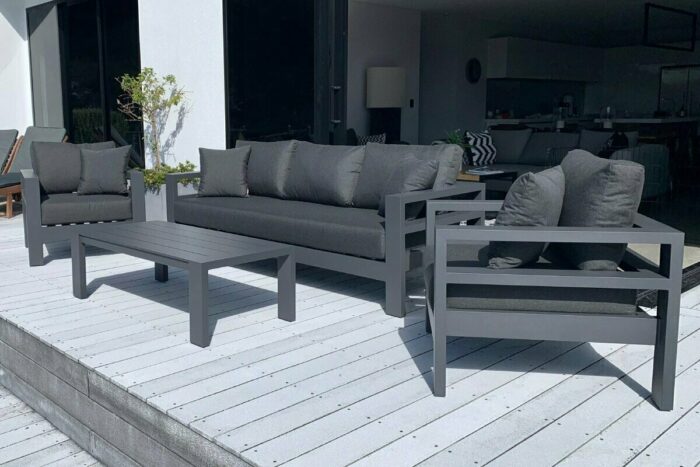
Can aluminium garden sofas be paired with other outdoor furniture pieces, such as coffee tables or side tables?
Yes, aluminium garden sofas can be easily paired with other outdoor furniture pieces, including coffee tables and side tables. The versatility of aluminium furniture allows for seamless integration with various outdoor furniture setups. Here’s a detailed explanation:
Matching Materials:
Pairing aluminium garden sofas with other furniture pieces made from the same or complementary materials can create a cohesive and harmonious outdoor space. For example, you can choose a coffee table or side table with an aluminium frame to match the sofa. This creates a consistent look and ties the furniture pieces together visually.
Contrasting Materials:
Alternatively, you can create visual interest by pairing aluminium garden sofas with outdoor furniture pieces made from contrasting materials. For instance, pairing an aluminium sofa with a coffee table or side table made of teak, wood, glass, or stone can create an appealing contrast in textures and aesthetics. This combination adds depth and diversity to the outdoor space.
Design Cohesion:
When selecting coffee tables or side tables to pair with an aluminium garden sofa, consider the design cohesion. Aim for a consistent design language or theme across the furniture pieces. For example, if the aluminium sofa has a modern and sleek design, choose coffee tables or side tables that share similar design characteristics, such as clean lines, minimalist profiles, or geometric shapes. This creates a cohesive and unified look in your outdoor seating area.
Functionality and Proportions:
Consider the functionality and proportions of the coffee tables or side tables in relation to the aluminium garden sofa. Ensure that the tables are at a suitable height relative to the seating height of the sofa, allowing for comfortable access and usability. Additionally, consider the size and scale of the tables in relation to the sofa and the available space. The tables should complement the sofa without overwhelming or overcrowding the area.
Coordinated Colors:
Coordinating the colors of the aluminium garden sofa with the coffee tables or side tables can further enhance the overall aesthetic. You can choose tables with finishes or accents that complement or match the color of the aluminium frame. This creates a harmonious color scheme and a visually pleasing composition.
Conclusion:
Aluminium garden sofas can be paired with various outdoor furniture pieces, including coffee tables and side tables. You can match the materials of the furniture pieces for a cohesive look or create visual interest by combining contrasting materials. Consider design cohesion, functionality, proportions, and coordinated colors when selecting the tables to ensure a well-integrated and visually appealing outdoor seating area.
What types of cushions and fabrics are suitable for aluminium garden sofas for enhanced comfort?
Choosing the right cushions and fabrics for aluminium garden sofas can greatly enhance comfort. Here’s a detailed explanation:
1. Outdoor Cushions:
When selecting cushions for aluminium garden sofas, it’s important to choose ones specifically designed for outdoor use. Outdoor cushions are typically made with materials that are resistant to moisture, mold, mildew, and fading. They are constructed to withstand exposure to the elements and provide long-lasting comfort. Look for cushions that are labeled as “outdoor” or “all-weather” to ensure their suitability for outdoor use.
2. High-Quality Foam:
The foam used in the cushions plays a crucial role in providing comfort and support. Opt for cushions with high-quality foam that is designed for outdoor applications. The foam should have good resilience, meaning it bounces back to its original shape after being compressed. High-density foam is often preferred for outdoor cushions as it provides better support and durability. It’s also important to choose foam that is quick-drying and resistant to mold and mildew growth.
3. Weather-Resistant Fabrics:
The choice of fabric is crucial for the durability and comfort of the cushions on aluminium garden sofas. Look for fabrics that are specifically designed for outdoor use and offer weather resistance. Here are some suitable options:
- Sunbrella: Sunbrella is a well-known brand that offers high-performance outdoor fabrics. These fabrics are fade-resistant, water-resistant, and easy to clean. Sunbrella fabrics are often made of solution-dyed acrylic, which provides excellent color retention and UV resistance.
- Olefin: Olefin is another popular choice for outdoor cushions. It is a synthetic fiber known for its resistance to moisture, staining, and fading. Olefin fabrics are often used in outdoor furniture due to their durability and affordability.
- Polyester: Polyester fabrics can also be suitable for outdoor cushions. Look for polyester fabrics that are specifically treated for outdoor use, as they will have better resistance to fading and moisture. Polyester blends that incorporate other fibers like acrylic or olefin can provide enhanced durability.
4. Quick-Drying and Breathable:
For enhanced comfort, choose cushions and fabrics that are quick-drying and breathable. Quick-drying cushions are especially important in outdoor settings where they may be exposed to rain or damp conditions. Fabrics with good breathability allow air circulation, which helps prevent the build-up of heat and moisture. This can contribute to a more comfortable seating experience, particularly during hot and humid weather.
5. Removable and Washable Covers:
Consider cushions with removable and washable covers for convenience and easy maintenance. Removable covers allow you to clean them separately, keeping the cushions fresh and free from stains or spills. Look for cushions with covers that are machine washable or can be easily spot cleaned. This will help extend the lifespan of the cushions and maintain their appearance over time.
Conclusion:
Choosing the right cushions and fabrics for aluminium garden sofas is essential for enhanced comfort. Opt for outdoor cushions made with high-quality foam and designed for outdoor use. Look for weather-resistant fabrics such as Sunbrella, olefin, or treated polyester that offer durability, fade resistance, and moisture resistance. Consider cushions with quick-drying and breathable properties, and prioritize removable and washable covers for easy maintenance. By selecting the appropriate cushions and fabrics, you can create a comfortable and inviting seating experience on your aluminium garden sofa.
editor by CX 2023-11-02
China OEM (ISO&CE) Save Power 40% Direct Drive Permanent Magnet VSD Screw Air Compressor Industrial Air Compressor Rotary Air Compressor lowes air compressor
Product Description
(ISO&CE)Save Power 40% Direct Drive Permanent Magnet VSD Screw Air Compressor Industrial Air Compressor Rotary Air Compressor
1. Photo & Features for our Twin Rotary screw air compressor :
2. Advantages for our ZheJiang Great Air Compressor CO.,ltd
| Our company advantages | 1. Over 60 years China professsinal manufacture for air compressor ,An ISO9000 company |
|
2.European standard,China made &factory directly supply |
|
|
3. Superior porformance &high efficiency with reasonable price |
|
|
4. Low power consumptions for more output |
|
|
5. Trouble free & cost saving |
|
|
6. Timely pre-sale and after-sale service |
|
| 7. Easy operatation &maintenance |
3.Technical Parameters for Great Brand !!! AC Rotary Screw Air Compressor Industrial with Best Quality and Lower Price
Products range :
Motor power:5.5kw-630 kw/7.5hp-840hp , flow capacity:0.6-111 m³/min, pressure: 7-13 bar
| Model | TKL-2F | TKL-3F | TKL-4F | TKL-5F | TKL-7F | TKL-11F | TKL-15F | TKL-18F | TKL-22F | TKL-30F | TKL-37F | TKL-45F/W | TKL-55F/W | TKL-75F/W | TKL-90F/W |
| Air displacemen/ Exhause pressure (m3/min/Mpa) |
0.33/0.7 | 0.43/0.7 | 0.6/0.7 | 0.8/0.7 | 1.23/0.7 | 1.65/0.7 | 2.7/0.7 | 3.0/0.7 | 3.6/0.7 | 5.2/0.7 | 6.6/0.7 | 7.8/0.7 | 10.1/10.7 | 13.5/0.7 | 16.3/0.7 |
| 0.33/0.8 | 0.4/0.8 | 0.55/0.8 | 0.7/0.8 | 1.16/0.8 | 1.62/0.8 | 2.5/0.8 | 2.92/0.8 | 3.53/0.8 | 5.0/0.8 | 6.3/0.8 | 7.5/0.8 | 9.8/0.8 | 12.3/0.8 | 15.6/0.8 | |
| 0.25/1.0 | 0.36/1.0 | 0.5/1.0 | 0.65/1.0 | 1.02/1.0 | 1.4/1.0 | 2.0/1.0 | 2.7/1.0 | 3.2/1.0 | 4.5/1.0 | 5.6/1.0 | 6.8/1.0 | 8.8/1.0 | 11.0/1.0 | 14.2/1.0 | |
| 0.22/1.3 | 0.3/1.3 | 0.45/1.3 | 0.6/1.3 | 0.86/1.3 | 1.21/1.3 | 1.8/1.3 | 2.2/1.3 | 2.4/1.3 | 3.5/1.3 | 4.8/1.3 | 5.8/1.3 | 7.2/1.3 | 9.0/1.3 | 11.5/1.3 | |
| Power/ (Kw) | 2.2 | 3 | 4 | 5.5 | 7.5 | 11 | 15 | 18.5 | 22 | 30 | 37 | 45 | 55 | 75 | 90 |
| Ooltage (V/Hz) | 380V/50Hz | ||||||||||||||
| Noise (±3,dBa) | 63 | 63 | 65 | 65 | 67 | 67 | 68 | 70 | 72 | 73 | 74 | 75 | 76 | 78 | 78 |
| Exhaust temprature | Wind cooling type <=Environmental temperature+13ºC, Water cooling type <=40ºC, | ||||||||||||||
| Outlet pipe size | 1/2″ | 1/2″ | 1/2″ | 1/2″ | 1/2″ | 3/4″ | 1″ | 1″ | 1″ | 1 1/2″ | 1 1/2″ | 1 1/2″ | DN50 | DN50 | DN50 |
| Weight (Kg) | 260 | 280 | 300 | 350 | 360 | 400 | 430 | 590 | 650 | 950 | 980 | 1050 | 1850 | 1900 | 2100 |
| Dimensions (mm) | 800*760*1102 | 800*760*1102 | 800*760* 1102 |
800*760* 1102 |
800*760* 1102 |
950*760*1202 | 900*1000*1290 | belt type 900*1000*1290 | 1500*950*1280 | 1600*1100*1430 | 1900*1150*1500 | 2000*1150*1680 | |||
| strait type 1350*850*1257 | |||||||||||||||
| Model | TKL-110 F/W |
TKL-132 F/W |
TKL-160 F/W |
TKL-185 F/W |
TKL-200 F/W |
TKL-220 F/W |
TKL-250 F/W |
TKL-280 F/W |
TKL- 315W |
TKL- 355W |
TKL- 400W |
TKL- 450W |
TKL- 500W |
TKL- 560W |
TKL- 630W |
| Air displacemen/ Exhause pressure (m3/min/Mpa) |
20.4/0.7 | 24/0.7 | 27.8/0.7 | 32.5/0.7 | 35/0.7 | 40.7/0.7 | 45.3/0.7 | 51.5/0.7 | 57/0.7 | 68/0.7 | 73.6/0.7 | 83/0.7 | 90/10.7 | 101/0.7 | 111/0.7 |
| 20/0.8 | 23/0.8 | 27.1/0.8 | 30.5/0.8 | 33.3/0.8 | 38.2/0.8 | 43/0.8 | 50.5/0.8 | 55.5/0.8 | 66.2/0.8 | 71.4/0.8 | 82/0.8 | 89/0.8 | 100/0.8 | 110/0.8 | |
| 17.8/1 | 21/1.0 | 25.2/1.0 | 27/1.0 | 30.6/1.0 | 34.5/1.0 | 38.1/1.0 | 43/1.0 | 50.5/1.0 | 55.6/1.0 | 62/1.0 | 73/1.0 | 80/1.0 | 86/1.0 | 95/1.0 | |
| 14.5/1.3 | 18.1/1.3 | 21.2/1.3 | 23.6/1.3 | 26.3/1.3 | 29.8/1.3 | 35/1.3 | 38.3/1.3 | 42.1/1.3 | 46.5/1.3 | 52.5/1.3 | 60/1.3 | 68/1.3 | |||
| Power/ (Kw) | 110 | 132 | 160 | 185 | 200 | 220 | 250 | 280 | 315 | 355 | 400 | 450 | 500 | 560 | 630 |
| Ooltage (V/Hz) | 380V/50Hz | 380-10000V/50Hz | |||||||||||||
| Noise (±3,dBa) | 78 | 78 | 78 | 78 | 80 | 80 | 80 | 80 | 80 | 80 | 82 | 82 | 82 | 82 | 82 |
| Exhaust temprature | Wind cooling type <=Environmental temperature+13ºC, Water cooling type <=40ºC, | ||||||||||||||
| Outlet pipe size | DN80 | DN80 | DN80 | DN80 | DN100 | DN100 | DN100 | DN100 | DN125 | DN125 | DN150 | DN150 | DN150 | DN200 | DN200 |
| Weight (Kg) | 3300 | 3500 | 4000 | 4600 | 4700 | 5100 | 5100 | 5500 | 7500 | 8300 | 8400 | 9000 | 9500 | 10000 | 10000 |
| Dimensions (mm) | F 2800*1540*1900 | F 2800*1540*1900 | F 3150*1650*1900 | F 3100*1940*2389 | F 3400*2000*2330 | 4500*200*2462 | 4650*2340*2835 | ||||||||
| W 2400*1540*1900 | W 2400*1540*1900 | W 2600*1700*1980 | W 2600*1700*1980 | W 3200*1800*2125 | |||||||||||
4. Certificate :
5.Applications:
7. FAQ:
Q1: Are you factory or trade company?
A1: We are factory.
Q2: Warranty terms of your machine?
A2: One year warranty for the machine and technical support according to your needs.
Q3: Will you provide some spare parts of the machines?
A3: Yes, of course.
Q4: How long will you take to arrange production?
A4: 380V 50HZ we can delivery the goods within 20 days. Other voltage we will delivery within 30 days.
Q5: Can you accept OEM orders?
A5: Yes, with professional design team, OEM orders are highly welcome!
8. Contact:
| Lubrication Style: | Lubricated |
|---|---|
| Cooling System: | Air Cooling |
| Cylinder Position: | Vertical |
| Structure Type: | Closed Type |
| Installation Type: | Stationary Type |
| Type: | Twin-Screw Compressor |
| Customization: |
Available
|
|
|---|
.webp)
How does variable speed drive technology improve air compressor efficiency?
Variable Speed Drive (VSD) technology improves air compressor efficiency by allowing the compressor to adjust its motor speed to match the compressed air demand. This technology offers several benefits that contribute to energy savings and enhanced overall system efficiency. Here’s how VSD technology improves air compressor efficiency:
1. Matching Air Demand:
Air compressors equipped with VSD technology can vary the motor speed to precisely match the required compressed air output. Traditional fixed-speed compressors operate at a constant speed regardless of the actual demand, leading to energy wastage during periods of lower air demand. VSD compressors, on the other hand, ramp up or down the motor speed to deliver the necessary amount of compressed air, ensuring optimal energy utilization.
2. Reduced Unloaded Running Time:
Fixed-speed compressors often run unloaded during periods of low demand, where they continue to consume energy without producing compressed air. VSD technology eliminates or significantly reduces this unloaded running time by adjusting the motor speed to closely follow the air demand. As a result, VSD compressors minimize energy wastage during idle periods, leading to improved efficiency.
3. Soft Starting:
Traditional fixed-speed compressors experience high inrush currents during startup, which can strain the electrical system and cause voltage dips. VSD compressors utilize soft starting capabilities, gradually ramping up the motor speed instead of instantly reaching full speed. This soft starting feature reduces mechanical and electrical stress, ensuring a smooth and controlled startup, and minimizing energy spikes.
4. Energy Savings at Partial Load:
In many applications, compressed air demand varies throughout the day or during different production cycles. VSD compressors excel in such scenarios by operating at lower speeds during periods of lower demand. Since power consumption is proportional to motor speed, running the compressor at reduced speeds significantly reduces energy consumption compared to fixed-speed compressors that operate at a constant speed regardless of the demand.
5. Elimination of On/Off Cycling:
Fixed-speed compressors often use on/off cycling to adjust the compressed air output. This cycling can result in frequent starts and stops, which consume more energy and cause mechanical wear. VSD compressors eliminate the need for on/off cycling by continuously adjusting the motor speed to meet the demand. By operating at a consistent speed within the required range, VSD compressors minimize energy losses associated with frequent cycling.
6. Enhanced System Control:
VSD compressors offer advanced control capabilities, allowing for precise monitoring and adjustment of the compressed air system. These systems can integrate with sensors and control algorithms to maintain optimal system pressure, minimize pressure fluctuations, and prevent excessive energy consumption. The ability to fine-tune the compressor’s output based on real-time demand contributes to improved overall system efficiency.
By utilizing variable speed drive technology, air compressors can achieve significant energy savings, reduce operational costs, and enhance their environmental sustainability by minimizing energy wastage and optimizing efficiency.
Can air compressors be integrated into automated systems?
Yes, air compressors can be integrated into automated systems, providing a reliable and versatile source of compressed air for various applications. Here’s a detailed explanation of how air compressors can be integrated into automated systems:
Pneumatic Automation:
Air compressors are commonly used in pneumatic automation systems, where compressed air is utilized to power and control automated machinery and equipment. Pneumatic systems rely on the controlled release of compressed air to generate linear or rotational motion, actuating valves, cylinders, and other pneumatic components. By integrating an air compressor into the system, a continuous supply of compressed air is available to power the automation process.
Control and Regulation:
In automated systems, air compressors are often connected to a control and regulation system to manage the compressed air supply. This system includes components such as pressure regulators, valves, and sensors to monitor and adjust the air pressure, flow, and distribution. The control system ensures that the air compressor operates within the desired parameters and provides the appropriate amount of compressed air to different parts of the automated system as needed.
Sequential Operations:
Integration of air compressors into automated systems enables sequential operations to be carried out efficiently. Compressed air can be used to control the timing and sequencing of different pneumatic components, ensuring that the automated system performs tasks in the desired order and with precise timing. This is particularly useful in manufacturing and assembly processes where precise coordination of pneumatic actuators is required.
Energy Efficiency:
Air compressors can contribute to energy-efficient automation systems. By incorporating energy-saving features such as Variable Speed Drive (VSD) technology, air compressors can adjust their power output according to the demand, reducing energy consumption during periods of low activity. Additionally, efficient control and regulation systems help optimize the use of compressed air, minimizing waste and improving overall energy efficiency.
Monitoring and Diagnostics:
Integration of air compressors into automated systems often includes monitoring and diagnostic capabilities. Sensors and monitoring devices can be installed to collect data on parameters such as air pressure, temperature, and system performance. This information can be used for real-time monitoring, preventive maintenance, and troubleshooting, ensuring the reliable operation of the automated system.
When integrating air compressors into automated systems, it is crucial to consider factors such as the specific requirements of the automation process, the desired air pressure and volume, and the compatibility of the compressor with the control and regulation system. Consulting with experts in automation and compressed air systems can help in designing an efficient and reliable integration.
In summary, air compressors can be seamlessly integrated into automated systems, providing the necessary compressed air to power and control pneumatic components, enabling sequential operations, and contributing to energy-efficient automation processes.
.webp)
Are there air compressors specifically designed for high-pressure applications?
Yes, there are air compressors specifically designed for high-pressure applications. These compressors are engineered to generate and deliver compressed air at significantly higher pressures than standard air compressors. Here are some key points about high-pressure air compressors:
1. Pressure Range: High-pressure air compressors are capable of producing compressed air at pressures typically ranging from 1000 to 5000 psi (pounds per square inch) or even higher. This is considerably higher than the typical range of 100 to 175 psi for standard air compressors.
2. Construction: High-pressure aircompressors feature robust construction and specialized components to withstand the higher pressures involved. They are designed with reinforced cylinders, pistons, valves, and seals that can handle the increased stress and prevent leaks or failures under high-pressure conditions.
3. Power: Generating high-pressure compressed air requires more power than standard compressors. High-pressure air compressors often have larger motors or engines to provide the necessary power to achieve the desired pressure levels.
4. Applications: High-pressure air compressors are utilized in various industries and applications where compressed air at elevated pressures is required. Some common applications include:
- Industrial manufacturing processes that involve high-pressure air for operations such as air tools, pneumatic machinery, and equipment.
- Gas and oil exploration and production, where high-pressure air is used for well drilling, well stimulation, and enhanced oil recovery techniques.
- Scuba diving and underwater operations, where high-pressure air is used for breathing apparatus and underwater tools.
- Aerospace and aviation industries, where high-pressure air is used for aircraft systems, testing, and pressurization.
- Fire services and firefighting, where high-pressure air compressors are used to fill breathing air tanks for firefighters.
5. Safety Considerations: Working with high-pressure air requires adherence to strict safety protocols. Proper training, equipment, and maintenance are crucial to ensure the safe operation of high-pressure air compressors. It is important to follow manufacturer guidelines and industry standards for high-pressure applications.
When selecting a high-pressure air compressor, consider factors such as the desired pressure range, required flow rate, power source availability, and the specific application requirements. Consult with experts or manufacturers specializing in high-pressure compressed air systems to identify the most suitable compressor for your needs.
High-pressure air compressors offer the capability to meet the demands of specialized applications that require compressed air at elevated pressures. Their robust design and ability to deliver high-pressure air make them essential tools in various industries and sectors.
editor by CX 2023-11-02
China high quality CHINAMFG 24L Industrial Portable Quiet Air Tank Oiless Air Compressor Manufacturer for Sale best air compressor
Product Description
| Silent Oil Free Air Compressor | |||
| Model | WD065710808 | WD065712415 | WD065715571 |
| Power input | 600W/0.8HP | 1100W/1.5HP | 1500W/2.0HP |
| Rated voltage | 220-240V~50Hz | 220-240V~50Hz | 220-240V~50Hz |
| Rated speed | 2800/min | 2800/min | 2800/min |
| Tank volume | 8L | 24L | 50L |
| Max.work pressure | 7bar(100psi) | 8bar(116psi) | 8bar(116psi) |
| Air flow | 50L/min | 100L/min | 120L/min |
| Air-refilled time | 15s | 22s | 35s |
| Quantity/Carton | 1pc | 1pc | 1pc |
| Net/Gross weight | 12.2/13.2Kg | 20/21Kg | 28/29Kg |
| Carton size | 420x215x450mm | 580x285x585mm | 760x345x640mm |
| CBM | 0.046m3 | 0.097m3 | 0.168m3 |
| Warranty: | 1 Year |
|---|---|
| Lubrication Style: | Oil-free |
| Power Source: | Electricity |
| Type: | Piston |
| Condition: | New, New |
| Tank Volume: | 24L |
.webp)
Can air compressors be used for shipbuilding and maritime applications?
Air compressors are widely used in shipbuilding and maritime applications for a variety of tasks and operations. The maritime industry relies on compressed air for numerous essential functions. Here’s an overview of how air compressors are employed in shipbuilding and maritime applications:
1. Pneumatic Tools and Equipment:
Air compressors are extensively used to power pneumatic tools and equipment in shipbuilding and maritime operations. Pneumatic tools such as impact wrenches, drills, grinders, sanders, and chipping hammers require compressed air to function. The versatility and power provided by compressed air make it an ideal energy source for heavy-duty tasks, maintenance, and construction activities in shipyards and onboard vessels.
2. Painting and Surface Preparation:
Air compressors play a crucial role in painting and surface preparation during shipbuilding and maintenance. Compressed air is used to power air spray guns, sandblasting equipment, and other surface preparation tools. Compressed air provides the force necessary for efficient and uniform application of paints, coatings, and protective finishes, ensuring the durability and aesthetics of ship surfaces.
3. Pneumatic Actuation and Controls:
Air compressors are employed in pneumatic actuation and control systems onboard ships. Compressed air is used to operate pneumatic valves, actuators, and control devices that regulate the flow of fluids, control propulsion systems, and manage various shipboard processes. Pneumatic control systems offer reliability and safety advantages in maritime applications.
4. Air Start Systems:
In large marine engines, air compressors are used in air start systems. Compressed air is utilized to initiate the combustion process in the engine cylinders. The compressed air is injected into the cylinders to turn the engine’s crankshaft, enabling the ignition of fuel and starting the engine. Air start systems are commonly found in ship propulsion systems and power generation plants onboard vessels.
5. Pneumatic Conveying and Material Handling:
In shipbuilding and maritime operations, compressed air is used for pneumatic conveying and material handling. Compressed air is utilized to transport bulk materials, such as cement, sand, and grain, through pipelines or hoses. Pneumatic conveying systems enable efficient and controlled transfer of materials, facilitating construction, cargo loading, and unloading processes.
6. Air Conditioning and Ventilation:
Air compressors are involved in air conditioning and ventilation systems onboard ships. Compressed air powers air conditioning units, ventilation fans, and blowers, ensuring proper air circulation, cooling, and temperature control in various ship compartments, cabins, and machinery spaces. Compressed air-driven systems contribute to the comfort, safety, and operational efficiency of maritime environments.
These are just a few examples of how air compressors are utilized in shipbuilding and maritime applications. Compressed air’s versatility, reliability, and convenience make it an indispensable energy source for various tasks and systems in the maritime industry.
Can air compressors be integrated into automated systems?
Yes, air compressors can be integrated into automated systems, providing a reliable and versatile source of compressed air for various applications. Here’s a detailed explanation of how air compressors can be integrated into automated systems:
Pneumatic Automation:
Air compressors are commonly used in pneumatic automation systems, where compressed air is utilized to power and control automated machinery and equipment. Pneumatic systems rely on the controlled release of compressed air to generate linear or rotational motion, actuating valves, cylinders, and other pneumatic components. By integrating an air compressor into the system, a continuous supply of compressed air is available to power the automation process.
Control and Regulation:
In automated systems, air compressors are often connected to a control and regulation system to manage the compressed air supply. This system includes components such as pressure regulators, valves, and sensors to monitor and adjust the air pressure, flow, and distribution. The control system ensures that the air compressor operates within the desired parameters and provides the appropriate amount of compressed air to different parts of the automated system as needed.
Sequential Operations:
Integration of air compressors into automated systems enables sequential operations to be carried out efficiently. Compressed air can be used to control the timing and sequencing of different pneumatic components, ensuring that the automated system performs tasks in the desired order and with precise timing. This is particularly useful in manufacturing and assembly processes where precise coordination of pneumatic actuators is required.
Energy Efficiency:
Air compressors can contribute to energy-efficient automation systems. By incorporating energy-saving features such as Variable Speed Drive (VSD) technology, air compressors can adjust their power output according to the demand, reducing energy consumption during periods of low activity. Additionally, efficient control and regulation systems help optimize the use of compressed air, minimizing waste and improving overall energy efficiency.
Monitoring and Diagnostics:
Integration of air compressors into automated systems often includes monitoring and diagnostic capabilities. Sensors and monitoring devices can be installed to collect data on parameters such as air pressure, temperature, and system performance. This information can be used for real-time monitoring, preventive maintenance, and troubleshooting, ensuring the reliable operation of the automated system.
When integrating air compressors into automated systems, it is crucial to consider factors such as the specific requirements of the automation process, the desired air pressure and volume, and the compatibility of the compressor with the control and regulation system. Consulting with experts in automation and compressed air systems can help in designing an efficient and reliable integration.
In summary, air compressors can be seamlessly integrated into automated systems, providing the necessary compressed air to power and control pneumatic components, enabling sequential operations, and contributing to energy-efficient automation processes.
Are there air compressors specifically designed for high-pressure applications?
Yes, there are air compressors specifically designed for high-pressure applications. These compressors are engineered to generate and deliver compressed air at significantly higher pressures than standard air compressors. Here are some key points about high-pressure air compressors:
1. Pressure Range: High-pressure air compressors are capable of producing compressed air at pressures typically ranging from 1000 to 5000 psi (pounds per square inch) or even higher. This is considerably higher than the typical range of 100 to 175 psi for standard air compressors.
2. Construction: High-pressure aircompressors feature robust construction and specialized components to withstand the higher pressures involved. They are designed with reinforced cylinders, pistons, valves, and seals that can handle the increased stress and prevent leaks or failures under high-pressure conditions.
3. Power: Generating high-pressure compressed air requires more power than standard compressors. High-pressure air compressors often have larger motors or engines to provide the necessary power to achieve the desired pressure levels.
4. Applications: High-pressure air compressors are utilized in various industries and applications where compressed air at elevated pressures is required. Some common applications include:
- Industrial manufacturing processes that involve high-pressure air for operations such as air tools, pneumatic machinery, and equipment.
- Gas and oil exploration and production, where high-pressure air is used for well drilling, well stimulation, and enhanced oil recovery techniques.
- Scuba diving and underwater operations, where high-pressure air is used for breathing apparatus and underwater tools.
- Aerospace and aviation industries, where high-pressure air is used for aircraft systems, testing, and pressurization.
- Fire services and firefighting, where high-pressure air compressors are used to fill breathing air tanks for firefighters.
5. Safety Considerations: Working with high-pressure air requires adherence to strict safety protocols. Proper training, equipment, and maintenance are crucial to ensure the safe operation of high-pressure air compressors. It is important to follow manufacturer guidelines and industry standards for high-pressure applications.
When selecting a high-pressure air compressor, consider factors such as the desired pressure range, required flow rate, power source availability, and the specific application requirements. Consult with experts or manufacturers specializing in high-pressure compressed air systems to identify the most suitable compressor for your needs.
High-pressure air compressors offer the capability to meet the demands of specialized applications that require compressed air at elevated pressures. Their robust design and ability to deliver high-pressure air make them essential tools in various industries and sectors.
editor by CX 2023-11-01
China factory Big Discount 8bar 15kw Small Rotary Electric Stationary Permanent Magnet Variable Frequency Screw Air Compressor LG15ez air compressor parts
Product Description
Product Description
1.) Main engine: adopt the main engine with German exquisite manufacturing technology, and adopt the low pressure and high efficiency tooth shape with CHINAMFG efficiency, optimized flow channel design, large rotor, low speed, high efficiency and high reliability to provide a powerful heart for your compressor, so that you can achieve efficiency and energy saving at the same time.
2.) Equipment appearance design: vertical complete machine design and industrial modeling with independent patent technology, small size, reasonable layout, convenient maintenance and use, suitable for direct use on the production site, and small floor area.
3.) Internal circulation system: all internal lubrication and air system pipelines adopt leak-free sealing design conforming to the SEA standard of the United States, with excellent performance, which can completely eliminate oil, gas, water and other leakage problems.
4.) Advanced monitoring system: adopt the most advanced compressor monitoring design concept to enable customers to monitor the operation of the air compression system in real time.
5.) Pipeline system: the hard pipe design of American standard is adopted. Due to the large inner diameter of the conveying pipe and small flow resistance, the conveying rate of the hard pipe is usually much higher than that of the hose, and it is stable, with long service life, and free of maintenance for life.
6.) Mute design: adopt mute design, optimized sound absorption structure, preset large volume front air filter, smooth air flow, reduce noise and air flow loss to the lowest level in the industry.
Product Parameters
| Model No.: | LG7EZ | LG11EZ | LG15EZ | LG22EZ | LG37EZ | LG55EZ | LG75EZ | |
| Air displacement (m3/min): | 1 | 1.7 | 2.3 | 3.4 | 6.1 | 10 | 12 | |
| Working pressure(bar) : | 8 | 8 | 8 | 8 | 8 | 8 | 8 | |
| Compression stage : | Single | |||||||
| Motor Rotation(rpm): | 2950 | |||||||
| Voltage(V/P/Hz) | 380/3/50 | |||||||
| Motor power (kw): | 7.5 | 11 | 15 | 22 | 37 | 55 | 75 | |
| Start method : | Y-△ | Direct Start | Y-△ | |||||
| Driven method | Direct connect | Direct connect | ||||||
| Cooling way | Air cooled | |||||||
| Outlet valve size : | G3/4” | G3/4” | G1″ | G1″ | G1-1/2″ | G2″ | G2″ | |
| Dimension(L*W*H mm): | 800*520*840 | 1571*640*865 | 1300*750*1180 | 1300*880*1250 | 1600*970*1450 | 1600*970*1450 | 1750*1030*1450 | |
| Weight(KG): | 200 | 300 | 350 | 550 | 750 | 1300 | 1600 | |
Detailed Photos
Component Features
Packaging & Shipping
Certifications
Company Profile
FAQ
Q1: Are you factory or trade company?
A1: We are factory. And we have ourselves trading company.
Q2: Warranty terms of your machine?
A2: One year warranty for the machine and technical support according to your needs.
Q3: Will you provide some spare parts of the machines?
A3: Yes, of course.
Q4: What about the voltage of products??Can they be customized?
A4: Yes, of course. The voltage can be customized according to your equirement.
Q5: How long will you take to arrange production?
A5: 380V 50HZ we can delivery the goods within 7-15 days. Other electricity or other color we will delivery within 20-30 days.
Q6: Can you accept OEM orders?
A6: Yes, with professional design team, OEM orders are highly welcome.
Q7 Which trade term can you accept?
A7: Available trade terms: FOB, CIF, CFR, EXW, CPT, etc.
| After-sales Service: | 24 Hours Online Service |
|---|---|
| Warranty: | 1 Year |
| Lubrication Style: | Lubricated |
| Cooling System: | Air Cooling |
| Power Source: | DC Power |
| Cylinder Position: | Horizontal |
How are air compressors used in the food and beverage industry?
Air compressors play a vital role in the food and beverage industry, providing a reliable source of compressed air for various applications. Here are some common uses of air compressors in this industry:
1. Packaging and Filling:
Air compressors are extensively used in packaging and filling operations in the food and beverage industry. Compressed air is utilized to power pneumatic systems that control the movement and operation of packaging machinery, such as filling machines, capping machines, labeling equipment, and sealing devices. The precise and controlled delivery of compressed air ensures accurate and efficient packaging of products.
2. Cleaning and Sanitization:
Air compressors are employed for cleaning and sanitization purposes in food and beverage processing facilities. Compressed air is used to operate air-powered cleaning equipment, such as air blowguns, air-operated vacuum systems, and air knives. It helps remove debris, dust, and contaminants from production lines, equipment, and hard-to-reach areas. Additionally, compressed air is used for drying surfaces after cleaning and for applying sanitizing agents.
3. Cooling and Refrigeration:
In the food and beverage industry, air compressors are utilized in cooling and refrigeration systems. Compressed air is used to drive air compressors in refrigeration units, enabling the circulation of refrigerants and maintaining optimal temperatures for food storage and preservation. The controlled airflow provided by the compressors facilitates efficient cooling and refrigeration processes.
4. Aeration and Mixing:
Air compressors are used for aeration and mixing applications in the food and beverage industry. Compressed air is introduced into processes such as fermentation, dough mixing, and wastewater treatment. It helps in promoting oxygen transfer, enhancing microbial activity, and facilitating proper mixing of ingredients or substances, contributing to the desired quality and consistency of food and beverage products.
5. Pneumatic Conveying:
In food processing plants, air compressors are employed for pneumatic conveying systems. Compressed air is used to transport bulk materials such as grains, powders, and ingredients through pipes or tubes. It enables the gentle and efficient movement of materials without the need for mechanical conveyors, reducing the risk of product damage or contamination.
6. Quality Control and Testing:
Air compressors are utilized in quality control and testing processes within the food and beverage industry. Compressed air is used for leak testing of packaging materials, containers, and seals to ensure product integrity. It is also employed for spraying air or gases during sensory analysis and flavor testing.
7. Air Agitation:
In certain food and beverage production processes, air compressors are used for air agitation. Compressed air is introduced into tanks, mixing vessels, or fermentation tanks to create turbulence and promote mixing or chemical reactions. It aids in achieving consistent product quality and uniform distribution of ingredients or additives.
It is important to note that air compressors used in the food and beverage industry must meet strict hygiene and safety standards. They may require specific filtration systems, oil-free operation, and compliance with food safety regulations to prevent contamination or product spoilage.
By utilizing air compressors effectively, the food and beverage industry can benefit from improved productivity, enhanced product quality, and efficient processing operations.
.webp)
Can air compressors be used for medical and dental applications?
Yes, air compressors can be used for various medical and dental applications. Compressed air is a reliable and versatile utility in healthcare settings, providing power for numerous devices and procedures. Here are some common applications of air compressors in medical and dental fields:
1. Dental Tools:
Air compressors power a wide range of dental tools and equipment, such as dental handpieces, air syringes, air scalers, and air abrasion devices. These tools rely on compressed air to generate the necessary force and airflow for effective dental procedures.
2. Medical Devices:
Compressed air is used in various medical devices and equipment. For example, ventilators and anesthesia machines utilize compressed air to deliver oxygen and other gases to patients. Nebulizers, used for respiratory treatments, also rely on compressed air to convert liquid medications into a fine mist for inhalation.
3. Laboratory Applications:
Air compressors are used in medical and dental laboratories for various purposes. They power laboratory instruments, such as air-driven centrifuges and sample preparation equipment. Compressed air is also used for pneumatic controls and automation systems in lab equipment.
4. Surgical Tools:
In surgical settings, compressed air is employed to power specialized surgical tools. High-speed air-driven surgical drills, saws, and bone-cutting instruments are commonly used in orthopedic and maxillofacial procedures. Compressed air ensures precise control and efficiency during surgical interventions.
5. Sterilization and Autoclaves:
Compressed air is essential for operating sterilization equipment and autoclaves. Autoclaves use steam generated by compressed air to sterilize medical instruments, equipment, and supplies. The pressurized steam provides effective disinfection and ensures compliance with rigorous hygiene standards.
6. Dental Air Compressors:
Specialized dental air compressors are designed specifically for dental applications. These compressors have features such as moisture separators, filters, and noise reduction mechanisms to meet the specific requirements of dental practices.
7. Air Quality Standards:
In medical and dental applications, maintaining air quality is crucial. Compressed air used in healthcare settings must meet specific purity standards. This often requires the use of air treatment systems, such as filters, dryers, and condensate management, to ensure the removal of contaminants and moisture.
8. Compliance and Regulations:
Medical and dental facilities must comply with applicable regulations and guidelines regarding the use of compressed air. These regulations may include requirements for air quality, maintenance and testing procedures, and documentation of system performance.
It is important to note that medical and dental applications have specific requirements and standards. Therefore, it is essential to choose air compressors and associated equipment that meet the necessary specifications and comply with industry regulations.
.webp)
What is the impact of tank size on air compressor performance?
The tank size of an air compressor plays a significant role in its performance and functionality. Here are the key impacts of tank size:
1. Air Storage Capacity: The primary function of the air compressor tank is to store compressed air. A larger tank size allows for greater air storage capacity. This means the compressor can build up a reserve of compressed air, which can be useful for applications that require intermittent or fluctuating air demand. Having a larger tank ensures a steady supply of compressed air during peak usage periods.
2. Run Time: The tank size affects the run time of the air compressor. A larger tank can provide longer continuous operation before the compressor motor needs to restart. This is because the compressed air in the tank can be used to meet the demand without the need for the compressor to run continuously. It reduces the frequency of motor cycling, which can improve energy efficiency and prolong the motor’s lifespan.
3. Pressure Stability: A larger tank helps maintain stable pressure during usage. When the compressor is running, it fills the tank until it reaches a specified pressure level, known as the cut-out pressure. As the air is consumed from the tank, the pressure drops to a certain level, known as the cut-in pressure, at which point the compressor restarts to refill the tank. A larger tank size results in a slower pressure drop during usage, ensuring more consistent and stable pressure for the connected tools or equipment.
4. Duty Cycle: The duty cycle refers to the amount of time an air compressor can operate within a given time period. A larger tank size can increase the duty cycle of the compressor. The compressor can run for longer periods before reaching its duty cycle limit, reducing the risk of overheating and improving overall performance.
5. Tool Compatibility: The tank size can also impact the compatibility with certain tools or equipment. Some tools, such as high-demand pneumatic tools or spray guns, require a continuous and adequate supply of compressed air. A larger tank size ensures that the compressor can meet the air demands of such tools without causing pressure drops or affecting performance.
It is important to note that while a larger tank size offers advantages in terms of air storage and performance, it also results in a larger and heavier compressor unit. Consider the intended application, available space, and portability requirements when selecting an air compressor with the appropriate tank size.
Ultimately, the optimal tank size for an air compressor depends on the specific needs of the user and the intended application. Assess the air requirements, duty cycle, and desired performance to determine the most suitable tank size for your air compressor.
editor by CX 2023-11-01
China best Air Tank Capacity 60L Mini Piston Belt Air Compressor Made in China with Best Sales
Product Description
Our company specializes in the research and development, manufacturing, distribution of mechanical equipment, to filter production lines as the focus, 18 years with a skilled, excellent after-sales service team.Has passed various quality certifications, always adhere to the principle of “quality is everything”, and always provide the best service for global customers. Our main compressor products are oil filters, oil separator filter and air filters, covering power plants, paper mills, petrochemical, textile, railway, cement, electronics and otherand all kinds of engineering machines filter industries. Most of our products are exported to the United States, East South Asia and Africa, which are 26 countries. We at Fluid Paradise are committed to providing filters at competitive prices, with superior quality and timely delivery. We sincerely hope to establish stable and strategic partnership with all countries in the world.
| Warranty: | 1 Year |
|---|---|
| Lubrication Style: | Lubricated |
| Cooling System: | Water Cooling |
| Power Source: | AC Power |
| Cylinder Position: | Horizontal |
| Structure Type: | Closed Type |
| Customization: |
Available
|
|
|---|
.webp)
What is the role of air compressors in power generation?
Air compressors play a significant role in power generation, supporting various operations and equipment within the industry. Here are some key roles of air compressors in power generation:
1. Combustion Air Supply:
Air compressors are used to supply compressed air for the combustion process in power generation. In fossil fuel power plants, such as coal-fired or natural gas power plants, compressed air is required to deliver a steady flow of air to the burners. The compressed air helps in the efficient combustion of fuel, enhancing the overall performance and energy output of the power plant.
2. Instrumentation and Control:
Air compressors are utilized for instrumentation and control systems in power generation facilities. Compressed air is used to operate pneumatic control valves, actuators, and other pneumatic devices that regulate the flow of steam, water, and gases within the power plant. The reliable and precise control provided by compressed air ensures efficient and safe operation of various processes and equipment.
3. Cooling and Ventilation:
In power generation, air compressors are involved in cooling and ventilation applications. Compressed air is used to drive air-operated cooling fans and blowers, providing adequate airflow for cooling critical components such as generators, transformers, and power electronics. The compressed air also assists in maintaining proper ventilation in control rooms, substations, and other enclosed spaces, helping to dissipate heat and ensure a comfortable working environment.
4. Cleaning and Maintenance:
Air compressors are employed for cleaning and maintenance tasks in power generation facilities. Compressed air is utilized to blow away dust, dirt, and debris from equipment, machinery, and electrical panels. It helps in maintaining the cleanliness and optimal performance of various components, reducing the risk of equipment failure and improving overall reliability.
5. Pneumatic Tools and Equipment:
In power generation plants, air compressors provide the necessary compressed air for operating pneumatic tools and equipment. These tools include impact wrenches, pneumatic drills, grinders, and sandblasting equipment, which are utilized for installation, maintenance, and repair tasks. The high-pressure air generated by compressors enables efficient and reliable operation of these tools, enhancing productivity and reducing manual effort.
6. Nitrogen Generation:
Sometimes, air compressors are used in power generation for nitrogen generation. Compressed air is passed through a nitrogen generator system, which separates nitrogen from other components of air, producing a high-purity nitrogen gas stream. Nitrogen is commonly used in power plant applications, such as purging systems, blanketing in transformers, and generator cooling, due to its inert properties and low moisture content.
7. Start-up and Emergency Systems:
Air compressors are an integral part of start-up and emergency systems in power generation. Compressed air is utilized to power pneumatic starters for gas turbines, providing the initial rotation needed to start the turbine. In emergency situations, compressed air is also used to actuate emergency shutdown valves, safety systems, and fire suppression equipment, ensuring the safe operation and protection of the power plant.
Overall, air compressors contribute to the efficient and reliable operation of power generation facilities, supporting combustion processes, control systems, cooling, cleaning, and various other applications critical to the power generation industry.
Can air compressors be used for medical and dental applications?
Yes, air compressors can be used for various medical and dental applications. Compressed air is a reliable and versatile utility in healthcare settings, providing power for numerous devices and procedures. Here are some common applications of air compressors in medical and dental fields:
1. Dental Tools:
Air compressors power a wide range of dental tools and equipment, such as dental handpieces, air syringes, air scalers, and air abrasion devices. These tools rely on compressed air to generate the necessary force and airflow for effective dental procedures.
2. Medical Devices:
Compressed air is used in various medical devices and equipment. For example, ventilators and anesthesia machines utilize compressed air to deliver oxygen and other gases to patients. Nebulizers, used for respiratory treatments, also rely on compressed air to convert liquid medications into a fine mist for inhalation.
3. Laboratory Applications:
Air compressors are used in medical and dental laboratories for various purposes. They power laboratory instruments, such as air-driven centrifuges and sample preparation equipment. Compressed air is also used for pneumatic controls and automation systems in lab equipment.
4. Surgical Tools:
In surgical settings, compressed air is employed to power specialized surgical tools. High-speed air-driven surgical drills, saws, and bone-cutting instruments are commonly used in orthopedic and maxillofacial procedures. Compressed air ensures precise control and efficiency during surgical interventions.
5. Sterilization and Autoclaves:
Compressed air is essential for operating sterilization equipment and autoclaves. Autoclaves use steam generated by compressed air to sterilize medical instruments, equipment, and supplies. The pressurized steam provides effective disinfection and ensures compliance with rigorous hygiene standards.
6. Dental Air Compressors:
Specialized dental air compressors are designed specifically for dental applications. These compressors have features such as moisture separators, filters, and noise reduction mechanisms to meet the specific requirements of dental practices.
7. Air Quality Standards:
In medical and dental applications, maintaining air quality is crucial. Compressed air used in healthcare settings must meet specific purity standards. This often requires the use of air treatment systems, such as filters, dryers, and condensate management, to ensure the removal of contaminants and moisture.
8. Compliance and Regulations:
Medical and dental facilities must comply with applicable regulations and guidelines regarding the use of compressed air. These regulations may include requirements for air quality, maintenance and testing procedures, and documentation of system performance.
It is important to note that medical and dental applications have specific requirements and standards. Therefore, it is essential to choose air compressors and associated equipment that meet the necessary specifications and comply with industry regulations.
.webp)
How do oil-lubricated and oil-free air compressors differ?
Oil-lubricated and oil-free air compressors differ in terms of their lubrication systems and the presence of oil in their operation. Here are the key differences:
Oil-Lubricated Air Compressors:
1. Lubrication: Oil-lubricated air compressors use oil for lubricating the moving parts, such as pistons, cylinders, and bearings. The oil forms a protective film that reduces friction and wear, enhancing the compressor’s efficiency and lifespan.
2. Performance: Oil-lubricated compressors are known for their smooth and quiet operation. The oil lubrication helps reduce noise levels and vibration, resulting in a more comfortable working environment.
3. Maintenance: These compressors require regular oil changes and maintenance to ensure the proper functioning of the lubrication system. The oil filter may need replacement, and the oil level should be regularly checked and topped up.
4. Applications: Oil-lubricated compressors are commonly used in applications that demand high air quality and continuous operation, such as industrial settings, workshops, and manufacturing facilities.
Oil-Free Air Compressors:
1. Lubrication: Oil-free air compressors do not use oil for lubrication. Instead, they utilize alternative materials, such as specialized coatings, self-lubricating materials, or water-based lubricants, to reduce friction and wear.
2. Performance: Oil-free compressors generally have a higher airflow capacity, making them suitable for applications where a large volume of compressed air is required. However, they may produce slightly more noise and vibration compared to oil-lubricated compressors.
3. Maintenance: Oil-free compressors typically require less maintenance compared to oil-lubricated ones. They do not need regular oil changes or oil filter replacements. However, it is still important to perform routine maintenance tasks such as air filter cleaning or replacement.
4. Applications: Oil-free compressors are commonly used in applications where air quality is crucial, such as medical and dental facilities, laboratories, electronics manufacturing, and painting applications. They are also favored for portable and consumer-grade compressors.
When selecting between oil-lubricated and oil-free air compressors, consider the specific requirements of your application, including air quality, noise levels, maintenance needs, and expected usage. It’s important to follow the manufacturer’s recommendations for maintenance and lubrication to ensure the optimal performance and longevity of the air compressor.
editor by CX 2023-11-01
China best Air Cooled 110kw 150HP Screw Air Compressor for Electronic Industry air compressor repair near me
Product Description
Air Cooled 110KW 150HP Screw Air Compressor For Electronic Industry
TECHNICAL DATA:
|
Model |
WZS-150EVA |
|
Air Flow/Working pressure |
20.5m3/min @ 8bar |
|
17.3m3/min @ 10bar |
|
|
Cooling type of COMPRESSOR |
Air cooling |
|
Cooling type of MOTOR |
Oil cooling |
|
Driven method |
Integrated connection |
|
Start way |
Soft VSD Start |
|
VSD inverter |
INOVANCE / HOLIP / VEICHI |
|
Exhaust Temp. |
< ambient temp. +8 degrees |
|
Oil content |
<2ppm |
|
Noise |
71±2 dB(A) |
|
Power |
380VAC/3ph/0~200Hz |
|
Motor power |
110kW/150hp |
|
Dimension |
2550*1650*1850mm |
|
Weight |
2600kg |
| Lubrication Style: | Oil-less |
|---|---|
| Cooling System: | Air Cooling |
| Power Source: | AC Power |
| Cylinder Position: | Horizontal |
| Structure Type: | Closed Type |
| Installation Type: | Stationary Type |
| Customization: |
Available
|
|
|---|
Can air compressors be used for gas compression and storage?
Yes, air compressors can be used for gas compression and storage. While air compressors are commonly used to compress and store air, they can also be utilized for compressing and storing other gases, depending on the specific application requirements. Here’s how air compressors can be used for gas compression and storage:
Gas Compression:
Air compressors can compress various gases by utilizing the same principles applied to compressing air. The compressor takes in the gas at a certain pressure, and through the compression process, it increases the pressure and reduces the volume of the gas. This compressed gas can then be used for different purposes, such as in industrial processes, gas pipelines, or storage systems.
Gas Storage:
Air compressors can also be used for gas storage by compressing the gas into storage vessels or tanks. The compressed gas is stored at high pressure within these vessels until it is needed for use. Gas storage is commonly employed in industries where a continuous and reliable supply of gas is required, such as in natural gas storage facilities or for storing compressed natural gas (CNG) used as a fuel for vehicles.
Gas Types:
While air compressors are primarily designed for compressing air, they can be adapted to handle various gases, including but not limited to:
- Nitrogen
- Oxygen
- Hydrogen
- Carbon dioxide
- Natural gas
- Refrigerant gases
It’s important to note that when using air compressors for gas compression and storage, certain considerations must be taken into account. These include compatibility of the compressor materials with the specific gas being compressed, ensuring proper sealing to prevent gas leaks, and adhering to safety regulations and guidelines for handling and storing compressed gases.
By leveraging the capabilities of air compressors, it is possible to compress and store gases efficiently, providing a reliable supply for various industrial, commercial, and residential applications.
What are the environmental considerations when using air compressors?
When using air compressors, there are several environmental considerations to keep in mind. Here’s an in-depth look at some of the key factors:
Energy Efficiency:
Energy efficiency is a crucial environmental consideration when using air compressors. Compressing air requires a significant amount of energy, and inefficient compressors can consume excessive power, leading to higher energy consumption and increased greenhouse gas emissions. It is important to choose energy-efficient air compressors that incorporate features such as Variable Speed Drive (VSD) technology and efficient motor design, as they can help minimize energy waste and reduce the carbon footprint.
Air Leakage:
Air leakage is a common issue in compressed air systems and can contribute to energy waste and environmental impact. Leaks in the system result in the continuous release of compressed air, requiring the compressor to work harder and consume more energy to maintain the desired pressure. Regular inspection and maintenance of the compressed air system to detect and repair leaks can help reduce air loss and improve overall energy efficiency.
Noise Pollution:
Air compressors can generate significant noise levels during operation, which can contribute to noise pollution. Prolonged exposure to high noise levels can have detrimental effects on human health and well-being and can also impact the surrounding environment and wildlife. It is important to consider noise reduction measures such as sound insulation, proper equipment placement, and using quieter compressor models to mitigate the impact of noise pollution.
Emissions:
While air compressors do not directly emit pollutants, the electricity or fuel used to power them can have an environmental impact. If the electricity is generated from fossil fuels, the associated emissions from power plants contribute to air pollution and greenhouse gas emissions. Choosing energy sources with lower emissions, such as renewable energy, can help reduce the environmental impact of operating air compressors.
Proper Waste Management:
Proper waste management is essential when using air compressors. This includes the appropriate disposal of compressor lubricants, filters, and other maintenance-related materials. It is important to follow local regulations and guidelines for waste disposal to prevent contamination of soil, water, or air and minimize the environmental impact.
Sustainable Practices:
Adopting sustainable practices can further reduce the environmental impact of using air compressors. This can include implementing preventive maintenance programs to optimize performance, reducing idle time, and promoting responsible use of compressed air by avoiding overpressurization and optimizing system design.
By considering these environmental factors and taking appropriate measures, it is possible to minimize the environmental impact associated with the use of air compressors. Choosing energy-efficient models, addressing air leaks, managing waste properly, and adopting sustainable practices can contribute to a more environmentally friendly operation.
How do you choose the right size of air compressor for your needs?
Choosing the right size of air compressor is essential to ensure optimal performance and efficiency for your specific needs. Here are some factors to consider when selecting the appropriate size:
1. Air Demand: Determine the air demand requirements of your applications. Calculate the total CFM (Cubic Feet per Minute) needed by considering the air consumption of all the pneumatic tools and equipment that will be operated simultaneously. Choose an air compressor with a CFM rating that meets or exceeds this total demand.
2. Pressure Requirements: Consider the required operating pressure for your applications. Check the PSI (Pounds per Square Inch) rating of the tools and equipment you will be using. Ensure that the air compressor you choose can deliver the necessary pressure consistently.
3. Duty Cycle: Evaluate the duty cycle of the air compressor. The duty cycle represents the percentage of time the compressor can operate within a given time period without overheating or experiencing performance issues. If you require continuous or heavy-duty operation, choose a compressor with a higher duty cycle.
4. Power Source: Determine the available power source at your location. Air compressors can be powered by electricity or gasoline engines. Ensure that the chosen compressor matches the available power supply and consider factors such as voltage, phase, and fuel requirements.
5. Portability: Assess the portability requirements of your applications. If you need to move the air compressor frequently or use it in different locations, consider a portable or wheeled compressor that is easy to transport.
6. Space and Noise Constraints: Consider the available space for installation and the noise restrictions in your working environment. Choose an air compressor that fits within the allocated space and meets any noise regulations or requirements.
7. Future Expansion: Anticipate any potential future expansions or increases in air demand. If you expect your air demand to grow over time, it may be wise to choose a slightly larger compressor to accommodate future needs and avoid the need for premature replacement.
8. Budget: Consider your budgetary constraints. Compare the prices of different air compressor models while ensuring that the chosen compressor meets your specific requirements. Keep in mind that investing in a higher-quality compressor may result in better performance, durability, and long-term cost savings.
By considering these factors and evaluating your specific needs, you can choose the right size of air compressor that will meet your air demand, pressure requirements, and operational preferences, ultimately ensuring efficient and reliable performance.
editor by CX 2023-11-01